
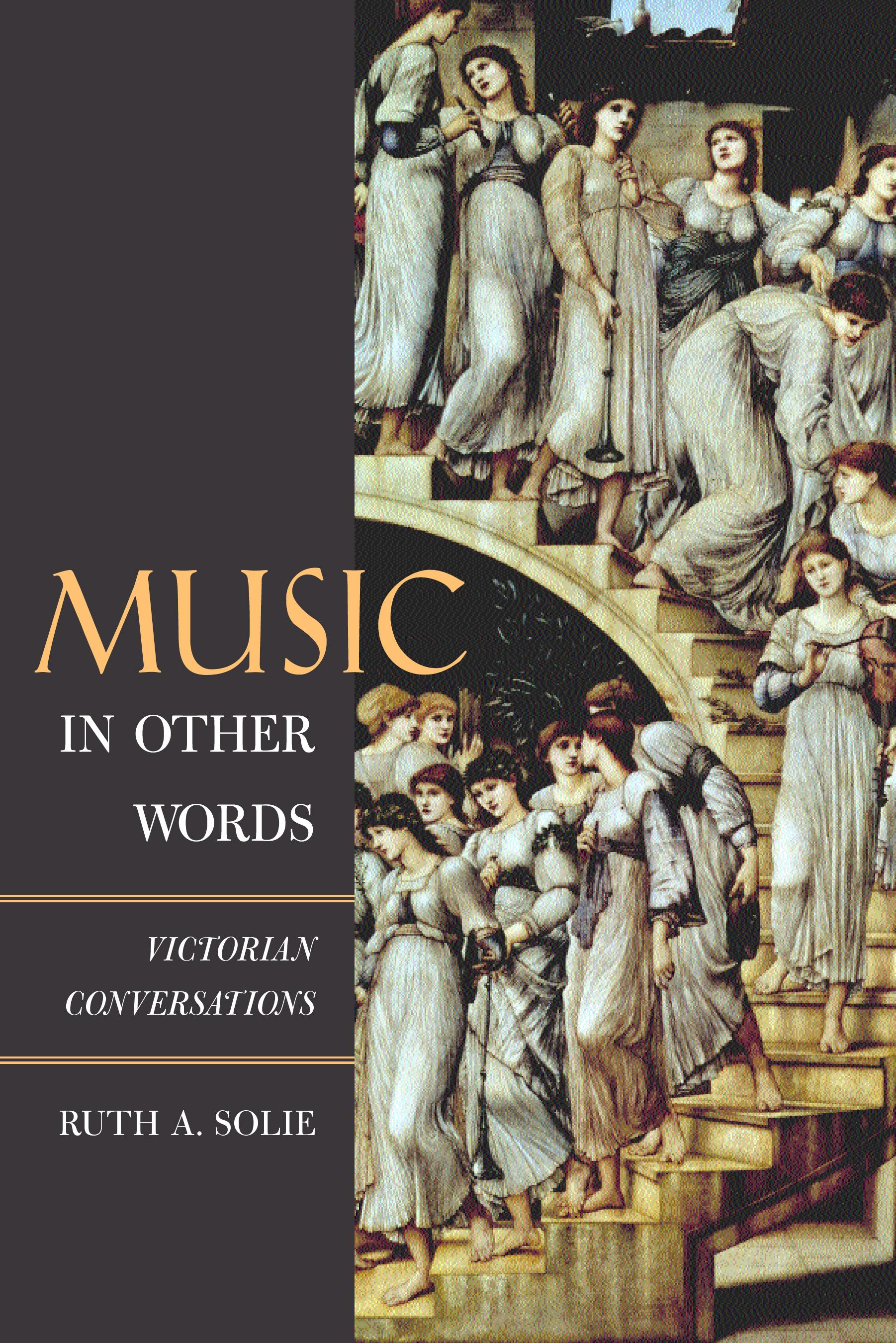
Just as the preoccupations of any given cultural moment make their way into the language of music, the experience of music makes its way into other arenas of life. To unearth these overlapping meanings and vocabularies from the Victorian era, Ruth A. Solie examines sources as disparate as journalism, novels, etiquette manuals, religious tracts, and teenagers' diaries for the muffled, even subterranean, conversations that reveal so much about what music meant to the Victorians. Her essays, giving voice to "what goes without saying" on the subject—that cultural information so present and pervasive as to go unsaid—fill in some of the most intriguing blanks in our understanding of music's history.
This much-anticipated collection, bringing together new and hard-to-find pieces by an acclaimed musicologist, mines the abundant casual texts of the period to show how Victorian-era people—English and others—experienced music and what they understood to be its power and its purposes. Solie's essays start from topics as varied as Beethoven criticism, Macmillan's Magazine, George Eliot's Daniel Deronda, opera tropes in literature, and the Victorian myth of the girl at the piano. They evoke common themes—including the moral force that was attached to music in the public mind and the strongly gendered nature of musical practice and sensibility—and in turn suggest the complex links between the history of music and the history of ideas.
This much-anticipated collection, bringing together new and hard-to-find pieces by an acclaimed musicologist, mines the abundant casual texts of the period to show how Victorian-era people—English and others—experienced music and what they understood to be its power and its purposes. Solie's essays start from topics as varied as Beethoven criticism, Macmillan's Magazine, George Eliot's Daniel Deronda, opera tropes in literature, and the Victorian myth of the girl at the piano. They evoke common themes—including the moral force that was attached to music in the public mind and the strongly gendered nature of musical practice and sensibility—and in turn suggest the complex links between the history of music and the history of ideas.
Pagine: 223
Categoria: Musikvetenskap
e-ISBN: 9780520930063
Peso di spedizione: 1.2 kg
Spedito in: 1-2 giorni
Paga facilmente con carta, Klarna, Apple Pay o Google Pay. Non sei soddisfatto? Hai sempre 14 giorni per il rimborso. Leggi di più nei nostri termini. Per qualsiasi domanda, scrivici a hello@memmo.org.
Memmo rende lo studio più facile, ovunque tu sia nel mondo. Qui trovi i tuoi libri di testo e strumenti di studio intelligenti, tutto in un unico posto: riassunti, quiz, podcast e flashcard. E poi c'è Ted, il tuo compagno di studio che risponde a ogni tua domanda. Oltre 50.000 studenti studiano già qui: è stato creato per aiutarti a imparare più velocemente e a stressarti meno.
Potrebbe interessarti anche
Acquista il libro0