
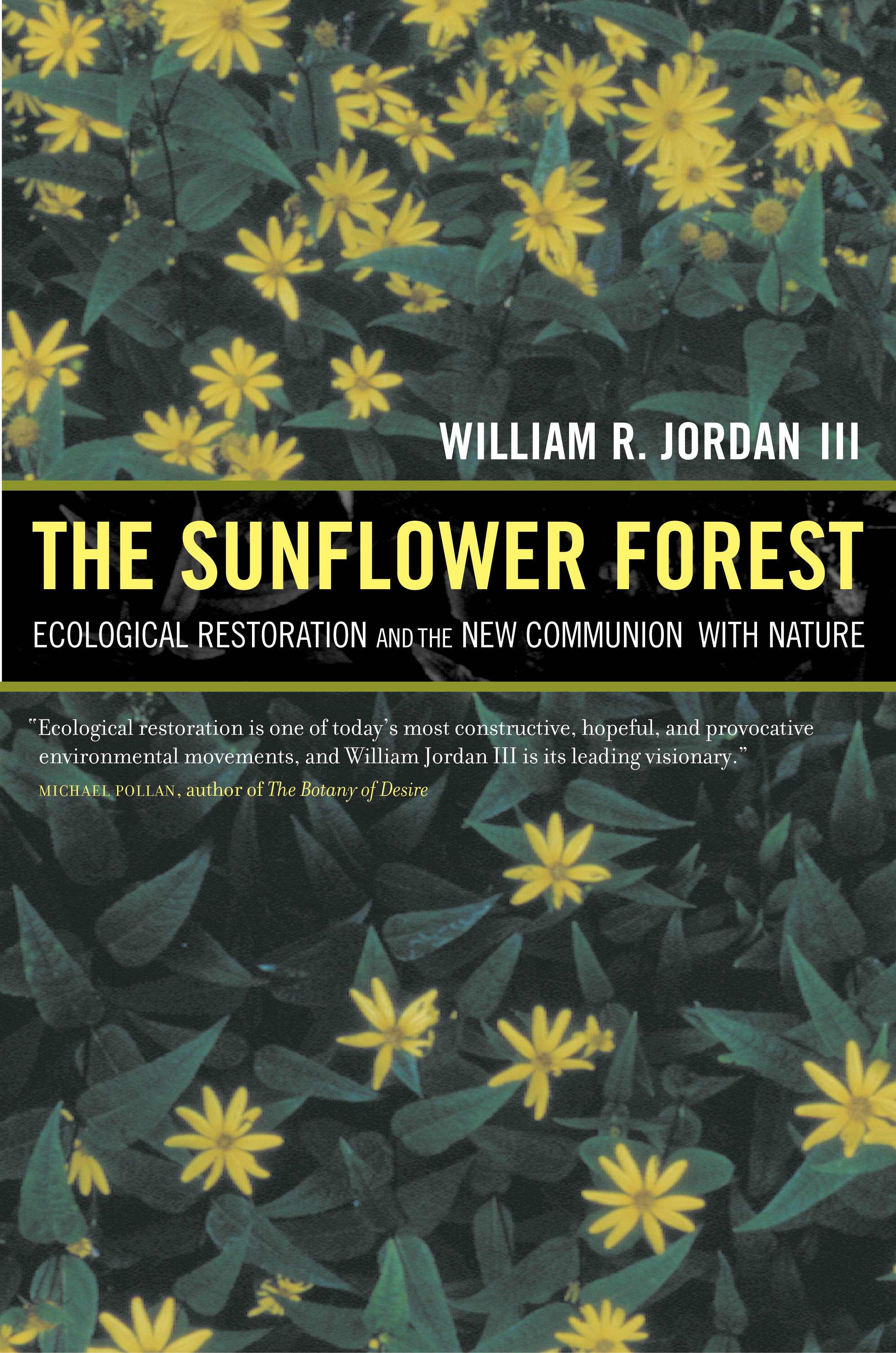
Ecological restoration, the attempt to guide damaged ecosystems back to a previous, usually healthier or more natural, condition, is rapidly gaining recognition as one of the most promising approaches to conservation. In this book, William R. Jordan III, who coined the term "restoration ecology," and who is widely respected as an intellectual leader in the field, outlines a vision for a restoration-based environmentalism that has emerged from his work over twenty-five years.
Drawing on a provocative range of thinkers, from anthropologists Victor Turner, Roy Rappaport, and Mary Douglas to literary critics Frederick Turner, Leo Marx, and R.W.B. Lewis, Jordan explores the promise of restoration, both as a way of reversing environmental damage and as a context for negotiating our relationship with nature.
Exploring restoration not only as a technology but also as an experience and a performing art, Jordan claims that it is the indispensable key to conservation. At the same time, he argues, restoration is valuable because it provides a context for confronting the most troubling aspects of our relationship with nature. For this reason, it offers a way past the essentially sentimental idea of nature that environmental thinkers have taken for granted since the time of Emerson and Muir.
Drawing on a provocative range of thinkers, from anthropologists Victor Turner, Roy Rappaport, and Mary Douglas to literary critics Frederick Turner, Leo Marx, and R.W.B. Lewis, Jordan explores the promise of restoration, both as a way of reversing environmental damage and as a context for negotiating our relationship with nature.
Exploring restoration not only as a technology but also as an experience and a performing art, Jordan claims that it is the indispensable key to conservation. At the same time, he argues, restoration is valuable because it provides a context for confronting the most troubling aspects of our relationship with nature. For this reason, it offers a way past the essentially sentimental idea of nature that environmental thinkers have taken for granted since the time of Emerson and Muir.
Paga facilmente con carta, Klarna, Apple Pay o Google Pay. Non sei soddisfatto? Hai sempre 14 giorni per il rimborso. Leggi di più nei nostri termini. Per qualsiasi domanda, scrivici a hello@memmo.org.
Memmo rende lo studio più facile, ovunque tu sia nel mondo. Qui trovi i tuoi libri di testo e strumenti di studio intelligenti, tutto in un unico posto: riassunti, quiz, podcast e flashcard. E poi c'è Ted, il tuo compagno di studio che risponde a ogni tua domanda. Oltre 50.000 studenti studiano già qui: è stato creato per aiutarti a imparare più velocemente e a stressarti meno.
Potrebbe interessarti anche
Acquista il libro0