
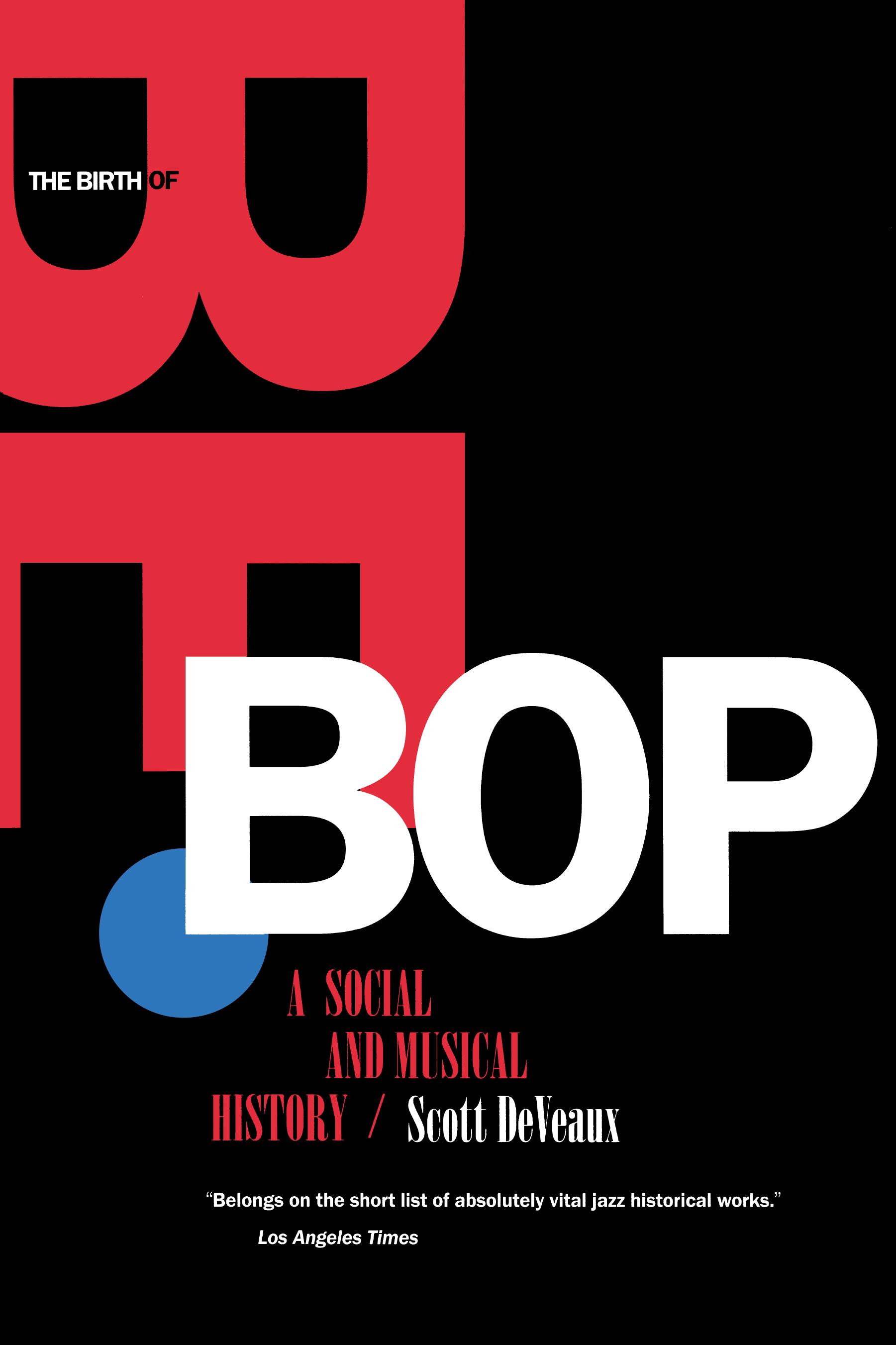
The richest place in America's musical landscape is that fertile ground occupied by jazz. Scott DeVeaux takes a central chapter in the history of jazz—the birth of bebop—and shows how our contemporary ideas of this uniquely American art form flow from that pivotal moment. At the same time, he provides an extraordinary view of the United States in the decades just prior to the civil rights movement.
DeVeaux begins with an examination of the Swing Era, focusing particularly on the position of African American musicians. He highlights the role played by tenor saxophonist Coleman Hawkins, a "progressive" committed to a vision in which black jazz musicians would find a place in the world commensurate with their skills. He then looks at the young musicians of the early 1940s, including Charlie Parker, Dizzy Gillespie, and Thelonious Monk, and links issues within the jazz world to other developments on the American scene, including the turmoil during World War II and the pervasive racism of the period.
Throughout, DeVeaux places musicians within the context of their professional world, paying close attention to the challenges of making a living as well as of making good music. He shows that bebop was simultaneously an artistic movement, an ideological statement, and a commercial phenomenon.
In drawing from the rich oral histories that a living tradition provides, DeVeaux's book resonates with the narratives of individual lives. While The Birth of Bebop is a study in American cultural history and a critical musical inquiry, it is also a fitting homage to bebop and to those who made it possible.
The richest place in America's musical landscape is that fertile ground occupied by jazz. Scott DeVeaux takes a central chapter in the history of jazz—the birth of bebop—and shows how our contemporary ideas of this uniquely American art form flow from tha
DeVeaux begins with an examination of the Swing Era, focusing particularly on the position of African American musicians. He highlights the role played by tenor saxophonist Coleman Hawkins, a "progressive" committed to a vision in which black jazz musicians would find a place in the world commensurate with their skills. He then looks at the young musicians of the early 1940s, including Charlie Parker, Dizzy Gillespie, and Thelonious Monk, and links issues within the jazz world to other developments on the American scene, including the turmoil during World War II and the pervasive racism of the period.
Throughout, DeVeaux places musicians within the context of their professional world, paying close attention to the challenges of making a living as well as of making good music. He shows that bebop was simultaneously an artistic movement, an ideological statement, and a commercial phenomenon.
In drawing from the rich oral histories that a living tradition provides, DeVeaux's book resonates with the narratives of individual lives. While The Birth of Bebop is a study in American cultural history and a critical musical inquiry, it is also a fitting homage to bebop and to those who made it possible.
The richest place in America's musical landscape is that fertile ground occupied by jazz. Scott DeVeaux takes a central chapter in the history of jazz—the birth of bebop—and shows how our contemporary ideas of this uniquely American art form flow from tha
Pagine: 587
Categoria: Musikvetenskap
e-ISBN: 9780520922105
Peso di spedizione: 1.2 kg
Spedito in: 1-2 giorni
Paga facilmente con carta, Klarna, Apple Pay o Google Pay. Non sei soddisfatto? Hai sempre 14 giorni per il rimborso. Leggi di più nei nostri termini. Per qualsiasi domanda, scrivici a hello@memmo.org.
Memmo rende lo studio più facile, ovunque tu sia nel mondo. Qui trovi i tuoi libri di testo e strumenti di studio intelligenti, tutto in un unico posto: riassunti, quiz, podcast e flashcard. E poi c'è Ted, il tuo compagno di studio che risponde a ogni tua domanda. Oltre 50.000 studenti studiano già qui: è stato creato per aiutarti a imparare più velocemente e a stressarti meno.
Potrebbe interessarti anche
Acquista il libro0