
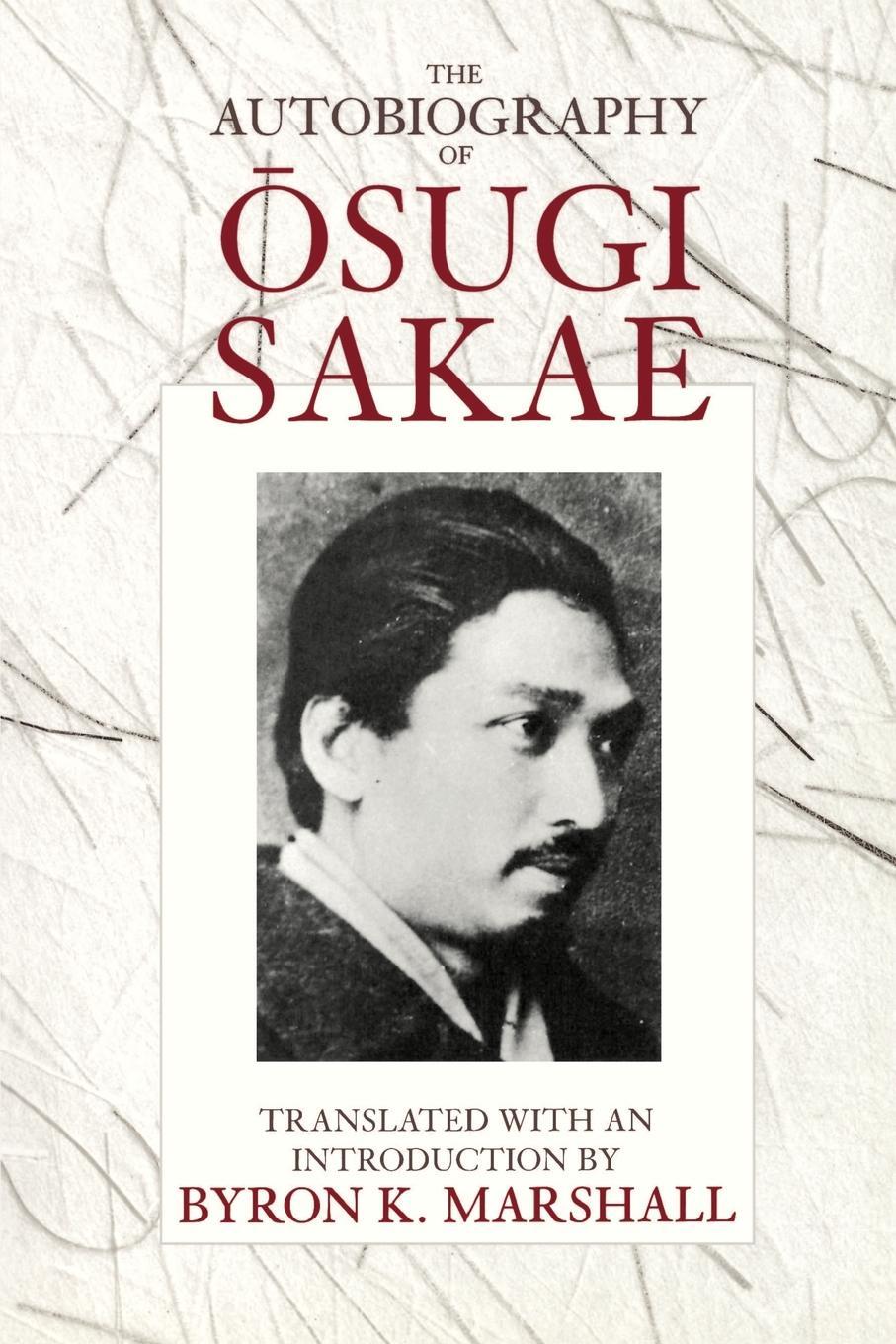
In the Japanese labor movement of the early twentieth century, no one captured the public imagination as vividly as Osugi Sakae (1885-1923): rebel, anarchist, and martyr. Flamboyant in life, dramatic in death, Osugi came to be seen as a romantic hero fighting the oppressiveness of family and society.
Osugi helped to create this public persona when he published his autobiography (Jijoden) in 1921-22. Now available in English for the first time, this work offers a rare glimpse into a Japanese boy's life at the time of the Sino-Japanese (1894-95) and the Russo-Japanese (1904-5) wars. It reveals the innocent—and not-so-innocent—escapades of children in a provincial garrison town and the brutalizing effects of discipline in military preparatory schools. Subsequent chapters follow Osugi to Tokyo, where he discovers the excitement of radical thought and politics.
Byron Marshall rounds out this picture of the early Osugi with a translation of his Prison Memoirs (Gokuchuki), originally published in 1919. This essay, one of the world's great pieces of prison writing, describes in precise detail the daily lives of Japanese prisoners, especially those incarcerated for political crimes.
In the Japanese labor movement of the early twentieth century, no one captured the public imagination as vividly as Osugi Sakae (1885-1923): rebel, anarchist, and martyr. Flamboyant in life, dramatic in death, Osugi came to be seen as a romantic hero figh
Osugi helped to create this public persona when he published his autobiography (Jijoden) in 1921-22. Now available in English for the first time, this work offers a rare glimpse into a Japanese boy's life at the time of the Sino-Japanese (1894-95) and the Russo-Japanese (1904-5) wars. It reveals the innocent—and not-so-innocent—escapades of children in a provincial garrison town and the brutalizing effects of discipline in military preparatory schools. Subsequent chapters follow Osugi to Tokyo, where he discovers the excitement of radical thought and politics.
Byron Marshall rounds out this picture of the early Osugi with a translation of his Prison Memoirs (Gokuchuki), originally published in 1919. This essay, one of the world's great pieces of prison writing, describes in precise detail the daily lives of Japanese prisoners, especially those incarcerated for political crimes.
In the Japanese labor movement of the early twentieth century, no one captured the public imagination as vividly as Osugi Sakae (1885-1923): rebel, anarchist, and martyr. Flamboyant in life, dramatic in death, Osugi came to be seen as a romantic hero figh
Pagine: 192
Categoria: Biografi & Memoarer
e-ISBN: 9780520912380
Peso di spedizione: 1.2 kg
Spedito in: 1-2 giorni
Paga facilmente con carta, Klarna, Apple Pay o Google Pay. Non sei soddisfatto? Hai sempre 14 giorni per il rimborso. Leggi di più nei nostri termini. Per qualsiasi domanda, scrivici a hello@memmo.org.
Memmo rende lo studio più facile, ovunque tu sia nel mondo. Qui trovi i tuoi libri di testo e strumenti di studio intelligenti, tutto in un unico posto: riassunti, quiz, podcast e flashcard. E poi c'è Ted, il tuo compagno di studio che risponde a ogni tua domanda. Oltre 50.000 studenti studiano già qui: è stato creato per aiutarti a imparare più velocemente e a stressarti meno.
Potrebbe interessarti anche
Acquista il libro0