
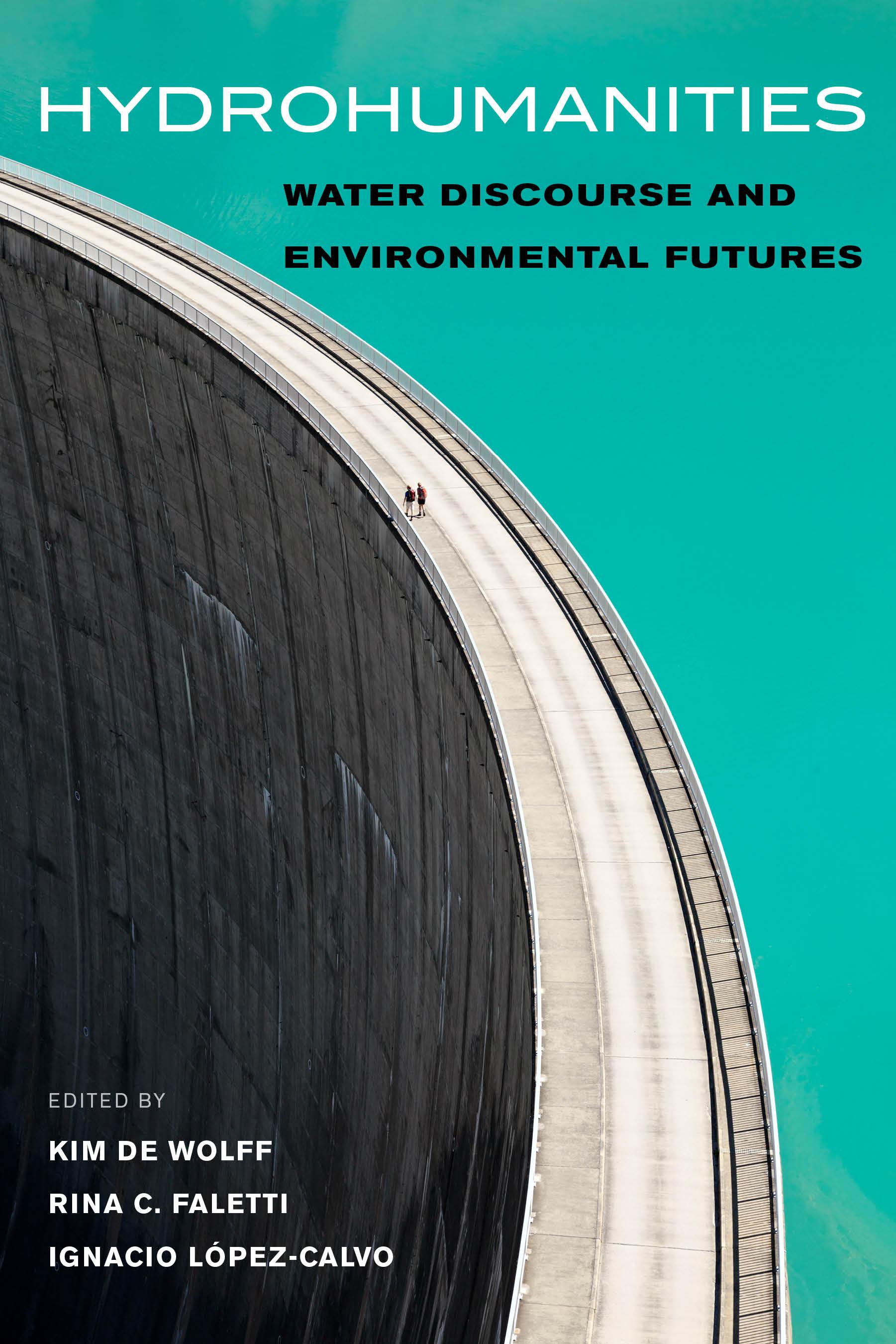
A free open access book is available upon publication. Learn more at www.luminosoa.org.
Discourse about water and power in the modern era have largely focused on human power over water: who gets to own and control a limited resource that has incredible economic potential. As a result, discussion of water, even in the humanities, has traditionally focused on fresh water for human use. Today, climate extremes from drought to flooding are forcing humanities scholars to reimagine water discourse.
This volume exemplifies how interdisciplinary cultural approaches can transform water conversations. The manuscript is organized into three emergent themes in water studies: agency of water, fluid identities, and cultural currencies. The first section deals with the properties of water and the ways in which water challenges human plans for control. The second section explores how water (or lack of it) shapes human collective and individual identities. The third engages notions of value and circulation to think about how water has been managed and employed for local, national, and international gains. Contributions come from preeminent as well as emerging voices across humanities fields including history, art history, philosophy, and science and technology studies. Part of a bigger goal for shaping the environmental humanities, the book broadens the concept of water to include not just water in oceans and rivers but also in pipes, ice floes, marshes, bottles, dams, and more. Each piece shows how humanities scholarship has world-changing potential to achieve more just water futures.
Discourse about water and power in the modern era have largely focused on human power over water: who gets to own and control a limited resource that has incredible economic potential. As a result, discussion of water, even in the humanities, has traditionally focused on fresh water for human use. Today, climate extremes from drought to flooding are forcing humanities scholars to reimagine water discourse.
This volume exemplifies how interdisciplinary cultural approaches can transform water conversations. The manuscript is organized into three emergent themes in water studies: agency of water, fluid identities, and cultural currencies. The first section deals with the properties of water and the ways in which water challenges human plans for control. The second section explores how water (or lack of it) shapes human collective and individual identities. The third engages notions of value and circulation to think about how water has been managed and employed for local, national, and international gains. Contributions come from preeminent as well as emerging voices across humanities fields including history, art history, philosophy, and science and technology studies. Part of a bigger goal for shaping the environmental humanities, the book broadens the concept of water to include not just water in oceans and rivers but also in pipes, ice floes, marshes, bottles, dams, and more. Each piece shows how humanities scholarship has world-changing potential to achieve more just water futures.
Paga facilmente con carta, Klarna, Apple Pay o Google Pay. Non sei soddisfatto? Hai sempre 14 giorni per il rimborso. Leggi di più nei nostri termini. Per qualsiasi domanda, scrivici a hello@memmo.org.
Memmo rende lo studio più facile, ovunque tu sia nel mondo. Qui trovi i tuoi libri di testo e strumenti di studio intelligenti, tutto in un unico posto: riassunti, quiz, podcast e flashcard. E poi c'è Ted, il tuo compagno di studio che risponde a ogni tua domanda. Oltre 50.000 studenti studiano già qui: è stato creato per aiutarti a imparare più velocemente e a stressarti meno.
Potrebbe interessarti anche
Acquista il libro0