
"A well-written textbook by a learned musician practicing his craft. The analyses are clearly argued, and Wen projects a reassuring sense of authenticity in his approach to tonal music analysis. The book will be of interest to many musicians, especially those focused on Schenkerian theory and analysis. I believe the book will be a welcome addition to the range of teaching manuals on the subject." — Music Theory Online
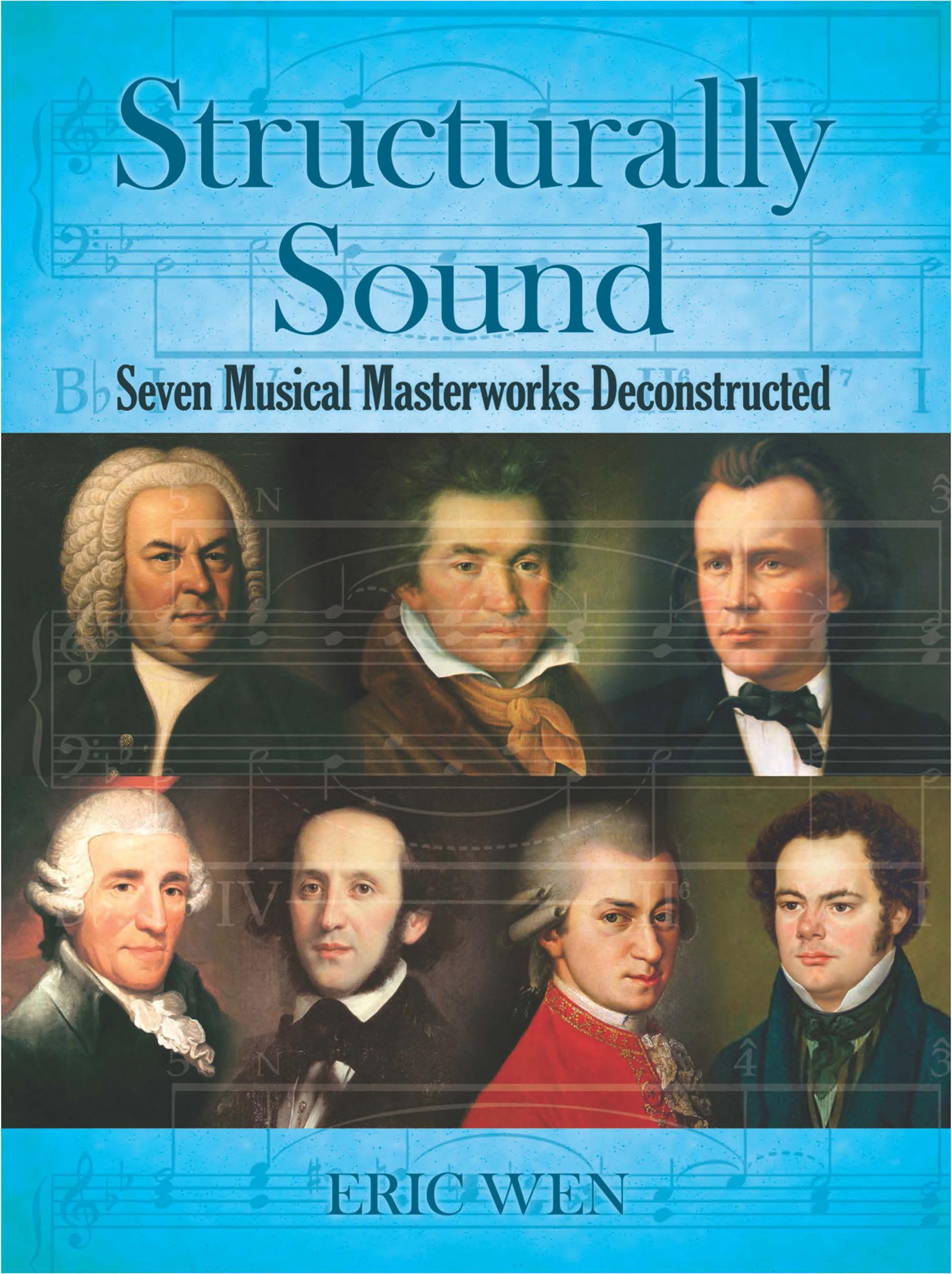
Music theorist Eric Wen presents in-depth analyses of seven masterworks from the common-practice period of Western art music:
Bach: Air from Orchestral Suite No. 3 in D, BWV 1068
Mendelssohn: Andante con moto tranquillo from Piano Trio No. 1 in D minor, Op. 49
Schubert: Nacht und Traüme, D. 827
Haydn: Adagio — Vivace assai from Symphony No. 94 in G, Hob. I:94
Mozart: Molto Allegro from Symphony No. 40 in G minor, K. 550
Beethoven: Marcia funebre: Adagio assai from Symphony No. 3 in E-flat, Op. 55
Brahms: Un poco presto e con sentimento from Violin Sonata No. 3 in D minor, Op. 108
Wen employs the analytic approach developed by Heinrich Schenker, a method that uses musical notation to clarify and illuminate a work's structural hierarchies. Copiously illustrated with analytic musical examples that elucidate the tonal organization of each of the seven works, this study also explores aspects of form, rhythmic organization, and programmatic meaning.
This volume will be of particular interest to musicologists and professional musicians, and it will also appeal to listeners keen to probe the rich complexities of these masterpieces.
Bach: Air from Orchestral Suite No. 3 in D, BWV 1068
Mendelssohn: Andante con moto tranquillo from Piano Trio No. 1 in D minor, Op. 49
Schubert: Nacht und Traüme, D. 827
Haydn: Adagio — Vivace assai from Symphony No. 94 in G, Hob. I:94
Mozart: Molto Allegro from Symphony No. 40 in G minor, K. 550
Beethoven: Marcia funebre: Adagio assai from Symphony No. 3 in E-flat, Op. 55
Brahms: Un poco presto e con sentimento from Violin Sonata No. 3 in D minor, Op. 108
Wen employs the analytic approach developed by Heinrich Schenker, a method that uses musical notation to clarify and illuminate a work's structural hierarchies. Copiously illustrated with analytic musical examples that elucidate the tonal organization of each of the seven works, this study also explores aspects of form, rhythmic organization, and programmatic meaning.
This volume will be of particular interest to musicologists and professional musicians, and it will also appeal to listeners keen to probe the rich complexities of these masterpieces.
Pagine: 320
Categoria: Musikvetenskap
e-ISBN: 9780486821450
Peso di spedizione: 1.2 kg
Spedito in: 1-2 giorni
Paga facilmente con carta, Klarna, Apple Pay o Google Pay. Non sei soddisfatto? Hai sempre 14 giorni per il rimborso. Leggi di più nei nostri termini. Per qualsiasi domanda, scrivici a hello@memmo.org.
Memmo rende lo studio più facile, ovunque tu sia nel mondo. Qui trovi i tuoi libri di testo e strumenti di studio intelligenti, tutto in un unico posto: riassunti, quiz, podcast e flashcard. E poi c'è Ted, il tuo compagno di studio che risponde a ogni tua domanda. Oltre 50.000 studenti studiano già qui: è stato creato per aiutarti a imparare più velocemente e a stressarti meno.
Potrebbe interessarti anche
Acquista il libro0