
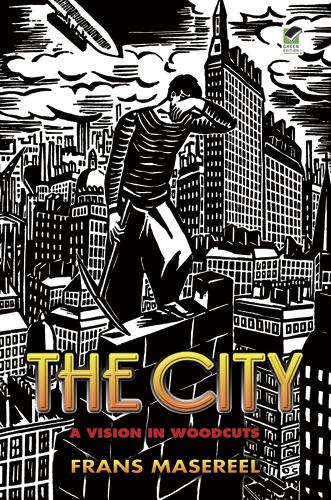
"An absolute song for an ongoing visit with timelessness." — The New York Times
This graphic novel by an Expressionist master offers a stunning depiction of urban Europe between the world wars. First published in Germany in 1925, it presents unforgettable images from the tense and dynamic Weimar period, rendered in 100 woodcuts of remarkable force and beauty.
A pacifist during World War I, Belgian-born Frans Masereel (1889-1972) sympathized with the struggles of the working classes and strived to make his art accessible to ordinary people. His evocative woodcuts convey scenes of work and leisure, wealth and deprivation, and joy and loneliness. Banned by the Nazis, Masereel's works were championed in Communist countries; however, the artist steered clear of political affiliations. His clarity of vision transcends any propagandist use of the images, which stand as timeless indictments of oppression and injustice.
Thomas Mann described Masereel's works as "so strangely compelling, so deeply felt, so rich in ideas that one never tires of looking at them." Epic and unflinching in its scope, The City continues to influence modern fine and graphic art, while recapturing the mood of a vanished era.
Paga facilmente con carta, Klarna, Apple Pay o Google Pay. Non sei soddisfatto? Hai sempre 14 giorni per il rimborso. Leggi di più nei nostri termini. Per qualsiasi domanda, scrivici a hello@memmo.org.
Memmo rende lo studio più facile, ovunque tu sia nel mondo. Qui trovi i tuoi libri di testo e strumenti di studio intelligenti, tutto in un unico posto: riassunti, quiz, podcast e flashcard. E poi c'è Ted, il tuo compagno di studio che risponde a ogni tua domanda. Oltre 50.000 studenti studiano già qui: è stato creato per aiutarti a imparare più velocemente e a stressarti meno.