
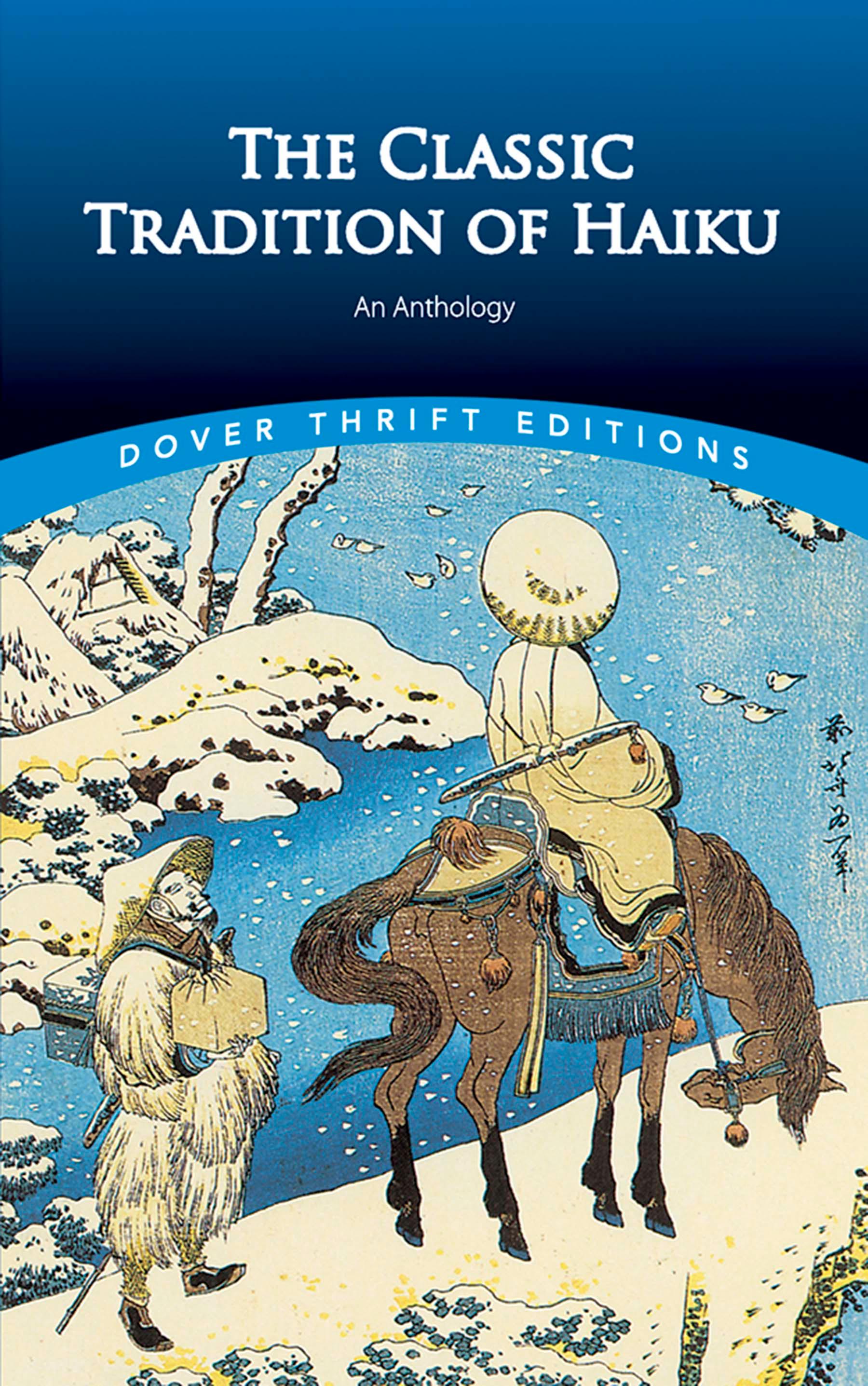
A highly distilled form of Japanese poetry, haiku consists of seventeen syllables, usually divided among three lines. Though brief, they tell a story or paint a vivid picture, leaving it to the reader to draw out the meanings and complete them in the mind's eye. Haiku often contains a hidden dualism (near and far, then and now, etc.) and has a seasonal tie-in, as well as specific word-images that reveal deeper layers in each poem.
This unique collection spans over 400 years (1488–1902) of haiku history by the greatest masters: Bashō, Issa, Shiki, and many more, in translations by top-flight scholars in the field. Haiku commands enormous respect in Japan. Now readers of poetry in the West can savor these expressive masterpieces in this treasury compiled by noted writer Faubion Bowers, who provides a Foreword and many informative notes to the poems.
Paga facilmente con carta, Klarna, Apple Pay o Google Pay. Non sei soddisfatto? Hai sempre 14 giorni per il rimborso. Leggi di più nei nostri termini. Per qualsiasi domanda, scrivici a hello@memmo.org.
Memmo rende lo studio più facile, ovunque tu sia nel mondo. Qui trovi i tuoi libri di testo e strumenti di studio intelligenti, tutto in un unico posto: riassunti, quiz, podcast e flashcard. E poi c'è Ted, il tuo compagno di studio che risponde a ogni tua domanda. Oltre 50.000 studenti studiano già qui: è stato creato per aiutarti a imparare più velocemente e a stressarti meno.