
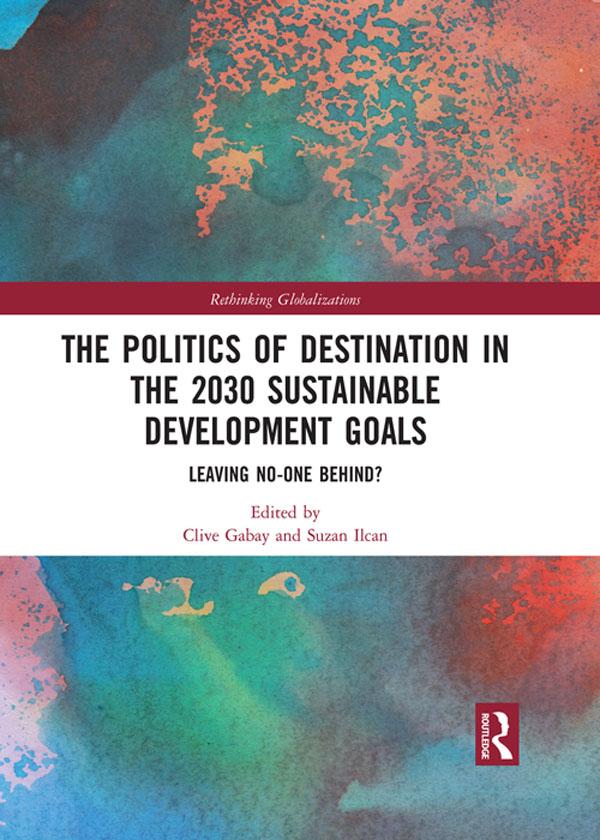
This book represents an unusual intervention in debates about the nature of contemporary international development, where the majority of scholarship tends to concern itself with measuring or collating goal performance. Through a series of analyses of the United Nations Sustainable Development Goals, this book explores development as a political construct, and is concerned with the kinds of epistemological, hegemonic, or politico-economic assumptions built into contemporary development policy, and the ensuing effectiveness the SDGs will have in terms of addressing or perpetuating the historical impoverishment of large groups of people living in poverty. The contributors to the book take issue with many of the assumptions upon which SDGs rest, while also broadening the conversation to pay attention to knowledge production, modernity, colonialism, exclusion, citizenship, and other conceptual insights. In this context, the book raises questions about the discourses and practices of the SDGs, especially in relation to how they can: define the limits of what can be said and what can be done; shape development logics through notions of division and forms of exclusion; construct political problems as technical problems; create certain spaces of imagination as a field of activity; and endorse particular ideas and forms of knowledge in models for sustainable development.
This book was originally published as a special issue of Globalizations.
Paga facilmente con carta, Klarna, Apple Pay o Google Pay. Non sei soddisfatto? Hai sempre 14 giorni per il rimborso. Leggi di più nei nostri termini. Per qualsiasi domanda, scrivici a hello@memmo.org.
Memmo rende lo studio più facile, ovunque tu sia nel mondo. Qui trovi i tuoi libri di testo e strumenti di studio intelligenti, tutto in un unico posto: riassunti, quiz, podcast e flashcard. E poi c'è Ted, il tuo compagno di studio che risponde a ogni tua domanda. Oltre 50.000 studenti studiano già qui: è stato creato per aiutarti a imparare più velocemente e a stressarti meno.