
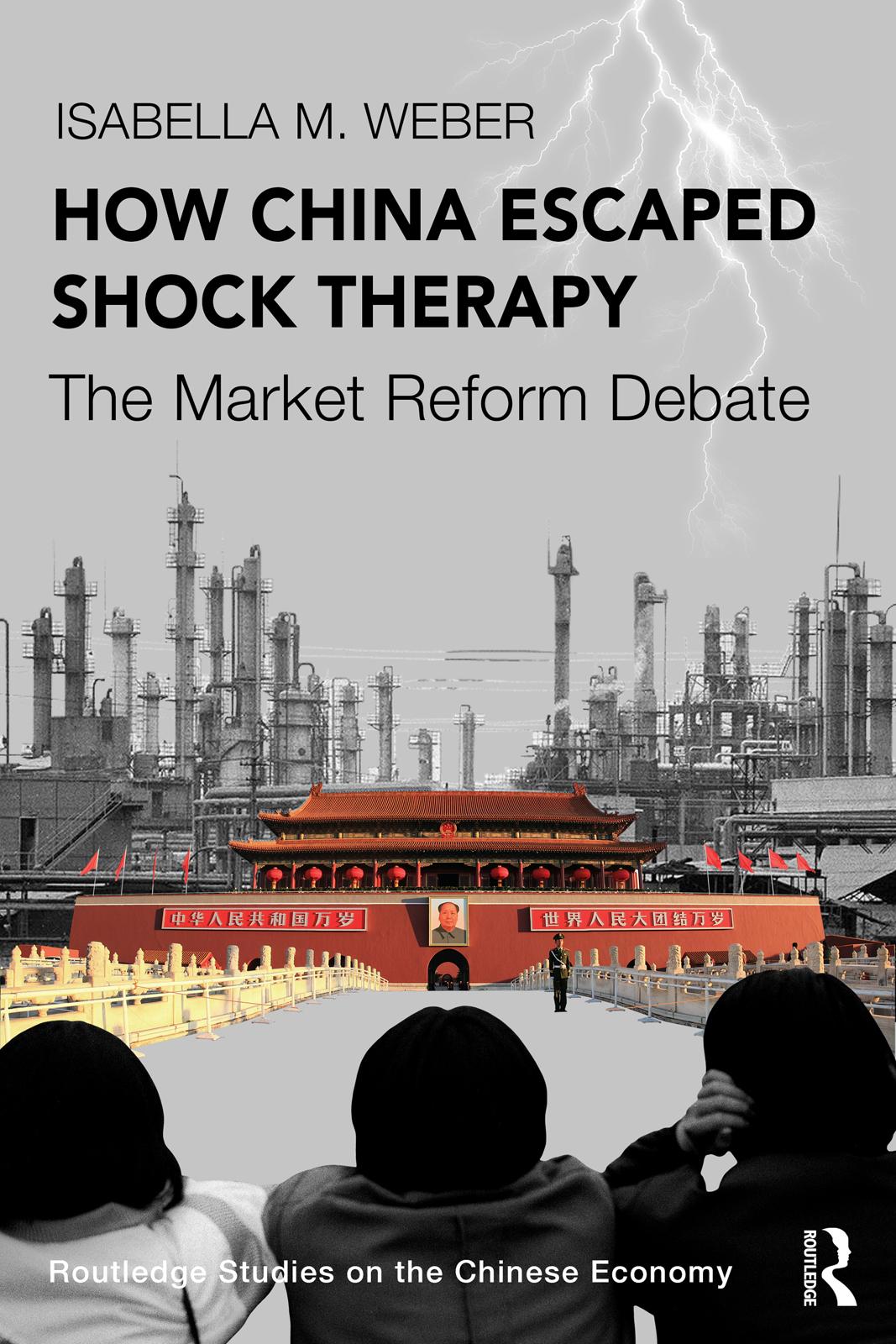
China has become deeply integrated into the world economy. Yet, gradual marketization has facilitated the country’s rise without leading to its wholesale assimilation to global neoliberalism. This book uncovers the fierce contest about economic reforms that shaped China’s path. In the first post-Mao decade, China’s reformers were sharply divided. They agreed that China had to reform its economic system and move toward more marketization—but struggled over how to go about it. Should China destroy the core of the socialist system through shock therapy, or should it use the institutions of the planned economy as market creators? With hindsight, the historical record proves the high stakes behind the question: China embarked on an economic expansion commonly described as unprecedented in scope and pace, whereas Russia’s economy collapsed under shock therapy. Based on extensive research, including interviews with key Chinese and international participants and World Bank officials as well as insights gleaned from unpublished documents, the book charts the debate that ultimately enabled China to follow a path to gradual reindustrialization. Beyond shedding light on the crossroads of the 1980s, it reveals the intellectual foundations of state-market relations in reform-era China through a longue durée lens. Overall, the book delivers an original perspective on China’s economic model and its continuing contestations from within and from without.
Paga facilmente con carta, Klarna, Apple Pay o Google Pay. Non sei soddisfatto? Hai sempre 14 giorni per il rimborso. Leggi di più nei nostri termini. Per qualsiasi domanda, scrivici a hello@memmo.org.
Memmo rende lo studio più facile, ovunque tu sia nel mondo. Qui trovi i tuoi libri di testo e strumenti di studio intelligenti, tutto in un unico posto: riassunti, quiz, podcast e flashcard. E poi c'è Ted, il tuo compagno di studio che risponde a ogni tua domanda. Oltre 50.000 studenti studiano già qui: è stato creato per aiutarti a imparare più velocemente e a stressarti meno.