
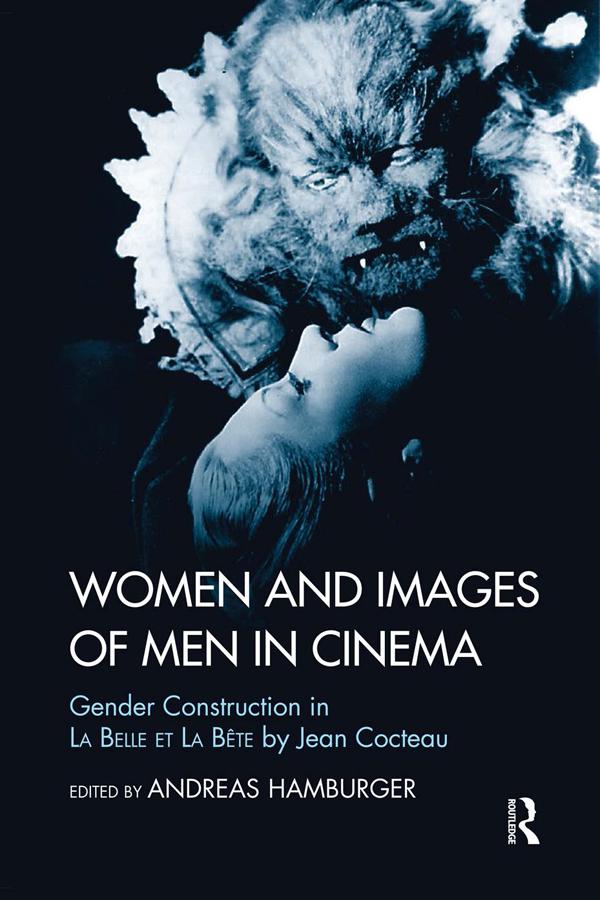
Women and men in cinema are imaginary constructs created by filmmakers and their audiences. The film-psychoanalytic approach reveals how movies subliminally influence unconscious reception. On the other hand, the movie is embedded in a cultural tradition: Jean Cocteau's film La Belle et la Bete (1946) takes up the classic motif of the animal groom from the story of Cupid and Psyche in Apuleius' The Golden Ass (originally a tale about the stunning momentum of genuine female desire), liberates it from its baroque educational moral (a girl's virtue and prudence will help her to overcome her sexual fears), and turns it into a boyhood story: inside the ugly rascal there is a good, but relatively boring prince - at least in comparison to the monsters of film history. In the seventy years since it was made, La Belle et la Bete has inspired numerous interpretations and has been employed by theorists of all genres and interests.
Paga facilmente con carta, Klarna, Apple Pay o Google Pay. Non sei soddisfatto? Hai sempre 14 giorni per il rimborso. Leggi di più nei nostri termini. Per qualsiasi domanda, scrivici a hello@memmo.org.
Memmo rende lo studio più facile, ovunque tu sia nel mondo. Qui trovi i tuoi libri di testo e strumenti di studio intelligenti, tutto in un unico posto: riassunti, quiz, podcast e flashcard. E poi c'è Ted, il tuo compagno di studio che risponde a ogni tua domanda. Oltre 50.000 studenti studiano già qui: è stato creato per aiutarti a imparare più velocemente e a stressarti meno.