
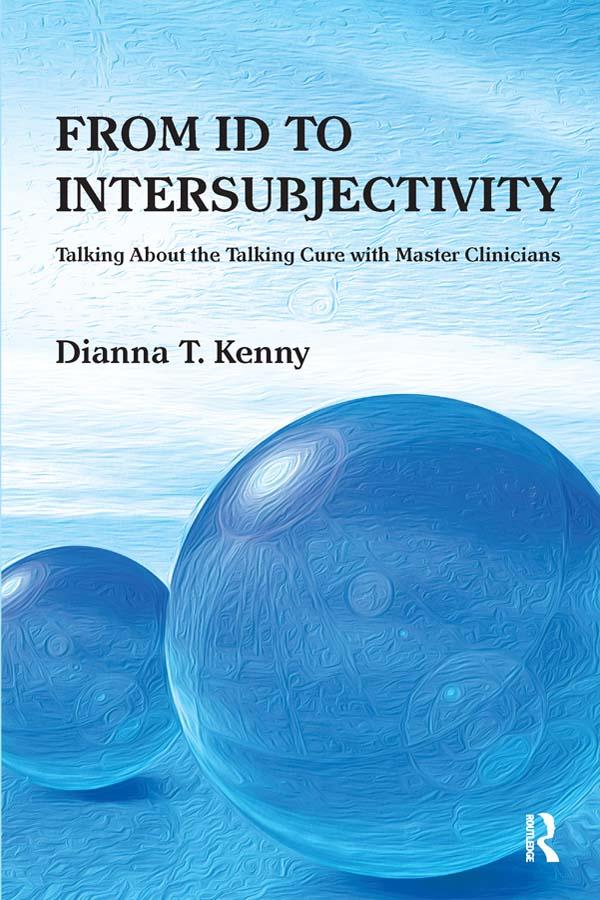
Psychoanalysis has moved a long way from the techniques of classical psychoanalysis but these changes have not been understood or disseminated to the wider community. Even university scholars and students of psychology have an archetypal view of the original form of psychoanalysis and do not appreciate that major changes have occurred. This book commences with a detailed outline of the origins of psychoanalysis and an explanation of key terms, which are often misinterpreted. The second chapter examines the changes that have occurred in theorising and practice over the past 120 years and explores key developments. The following chapters contain an interview with a practitioner working in one of each of the four major branches of modern psychoanalysis - object relations, attachment informed psychotherapy, intensive short-term dynamic psychotherapy, and relational and intersubjective theory. There follows textual, content, conceptual, and thematic analyses of the transcripts of interviews and commentaries on a therapy excerpt exploring commonalities and differences among these theoretical approaches.
Paga facilmente con carta, Klarna, Apple Pay o Google Pay. Non sei soddisfatto? Hai sempre 14 giorni per il rimborso. Leggi di più nei nostri termini. Per qualsiasi domanda, scrivici a hello@memmo.org.
Memmo rende lo studio più facile, ovunque tu sia nel mondo. Qui trovi i tuoi libri di testo e strumenti di studio intelligenti, tutto in un unico posto: riassunti, quiz, podcast e flashcard. E poi c'è Ted, il tuo compagno di studio che risponde a ogni tua domanda. Oltre 50.000 studenti studiano già qui: è stato creato per aiutarti a imparare più velocemente e a stressarti meno.
Potrebbe interessarti anche
Acquista il libro0