
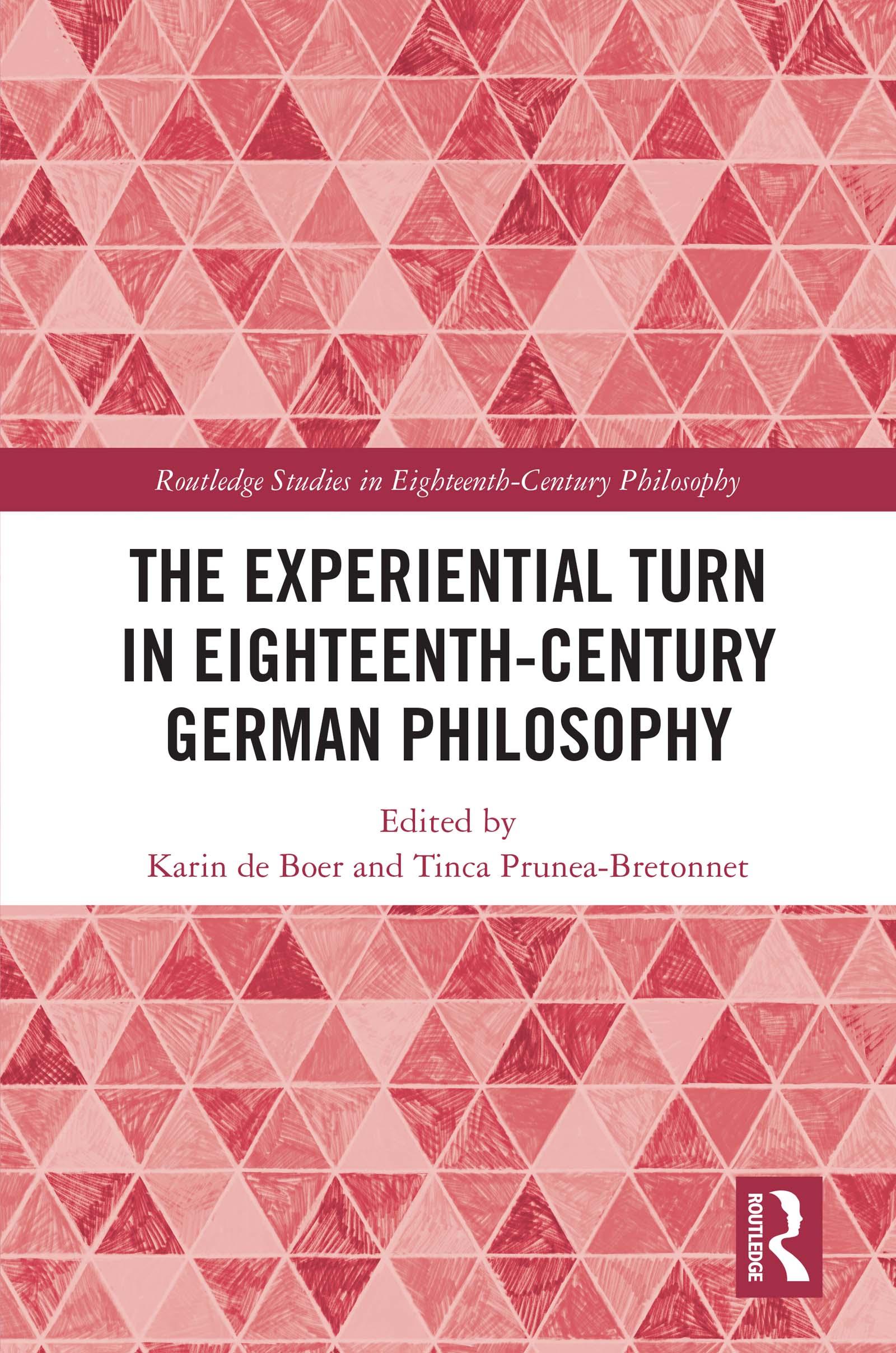
This collection of essays challenges the prevailing assumption that eighteenth-century German philosophy prior to Kant was largely defined by post-Leibnizian rationalism and, accordingly, a low esteem of the cognitive function of the senses. It does so by highlighting the various ways in which eighteenth-century German philosophers reconceived the notion and role of experience in their efforts to identify, defend, and contest the contribution of sensibility to disciplines such as metaphysics, theology, the natural sciences, psychology, and aesthetics. Engaging in depth with Tschirnhaus, Wolff, the Wolffians, eclecticism, Popularphilosophie, the Berlin Academy, Tetens, and Kant, its thirteen chapters present a more nuanced understanding of the German reception of British and French ideas and dismiss the prevailing view that German philosophy was largely isolated from European debates. Moreover, the book introduces a number of relatively unknown, but highly relevant philosophers and developments to non-specialized scholars and contributes to a better understanding of the richness and complexity of the German Enlightenment.
Paga facilmente con carta, Klarna, Apple Pay o Google Pay. Non sei soddisfatto? Hai sempre 14 giorni per il rimborso. Leggi di più nei nostri termini. Per qualsiasi domanda, scrivici a hello@memmo.org.
Memmo rende lo studio più facile, ovunque tu sia nel mondo. Qui trovi i tuoi libri di testo e strumenti di studio intelligenti, tutto in un unico posto: riassunti, quiz, podcast e flashcard. E poi c'è Ted, il tuo compagno di studio che risponde a ogni tua domanda. Oltre 50.000 studenti studiano già qui: è stato creato per aiutarti a imparare più velocemente e a stressarti meno.