
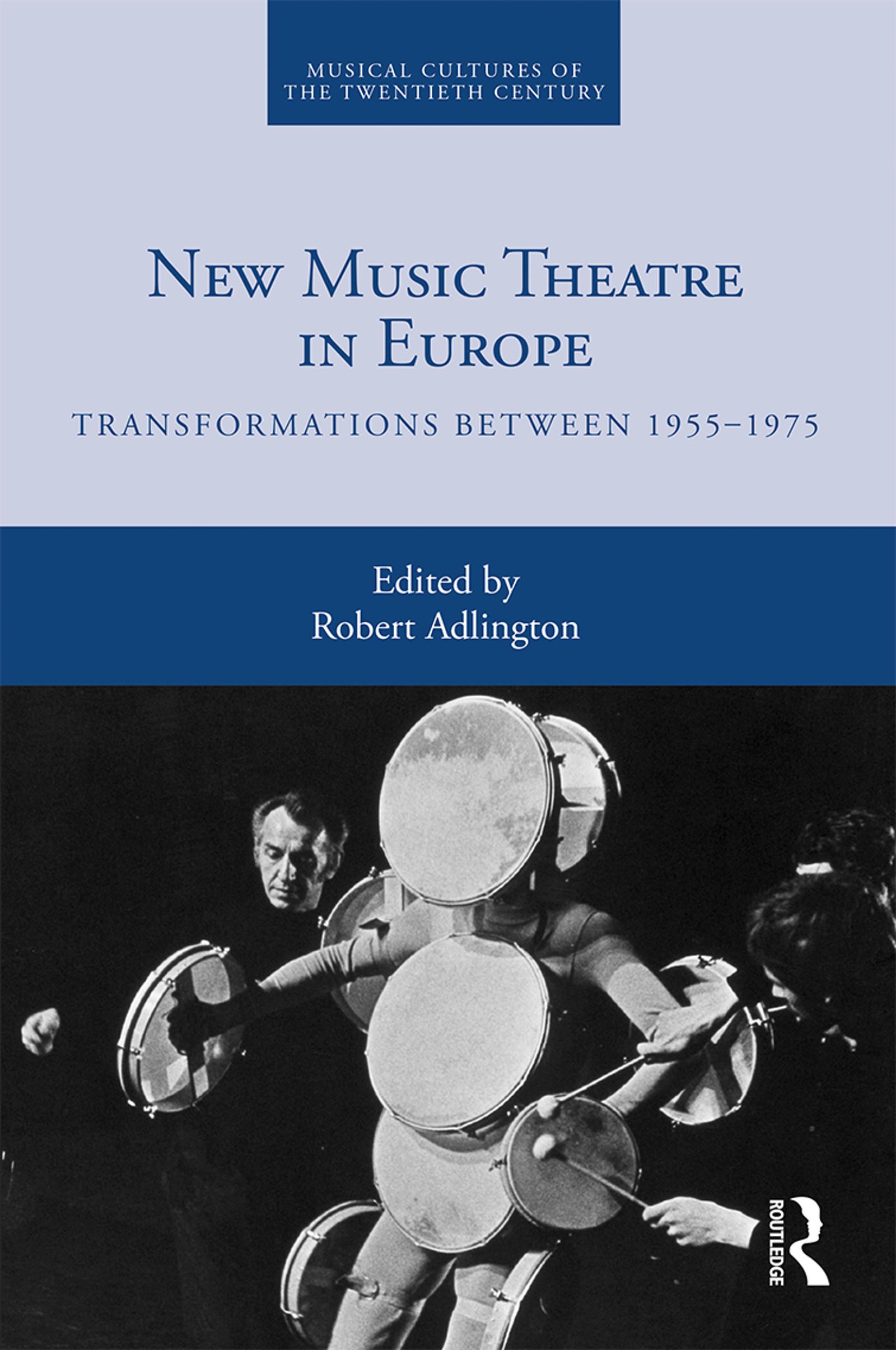
Between 1955 and 1975 music theatre became a central preoccupation for European composers digesting the consequences of the revolutionary experiments in musical language that followed the end of the Second World War. The ‘new music theatre’ wrought multiple, significant transformations, serving as a crucible for the experimental rethinking of theatrical traditions, artistic genres, the conventions of performance, and the composer’s relation to society. This volume brings together leading specialists from across Europe to offer a new appraisal of the genre. It is structured according to six themes that investigate: the relation of new music theatre to earlier and contemporaneous theories of drama; the use of new technologies; the relation of new music theatre to progressive politics; the role of new venues and environments; the advancement of new conceptions of the performer; and the challenges that new music theatre lays down for music analysis. Contributing authors address canonical works by composers such as Berio, Birtwistle, Henze, Kagel, Ligeti, Nono, and Zimmermann, but also expand the field to figures and artistic developments not regularly represented in existing music histories. Particular attention is given to new music theatre as a site of intense exchange – between practitioners of different art forms, across national borders, and with diverse mediating institutions.
Paga facilmente con carta, Klarna, Apple Pay o Google Pay. Non sei soddisfatto? Hai sempre 14 giorni per il rimborso. Leggi di più nei nostri termini. Per qualsiasi domanda, scrivici a hello@memmo.org.
Memmo rende lo studio più facile, ovunque tu sia nel mondo. Qui trovi i tuoi libri di testo e strumenti di studio intelligenti, tutto in un unico posto: riassunti, quiz, podcast e flashcard. E poi c'è Ted, il tuo compagno di studio che risponde a ogni tua domanda. Oltre 50.000 studenti studiano già qui: è stato creato per aiutarti a imparare più velocemente e a stressarti meno.