
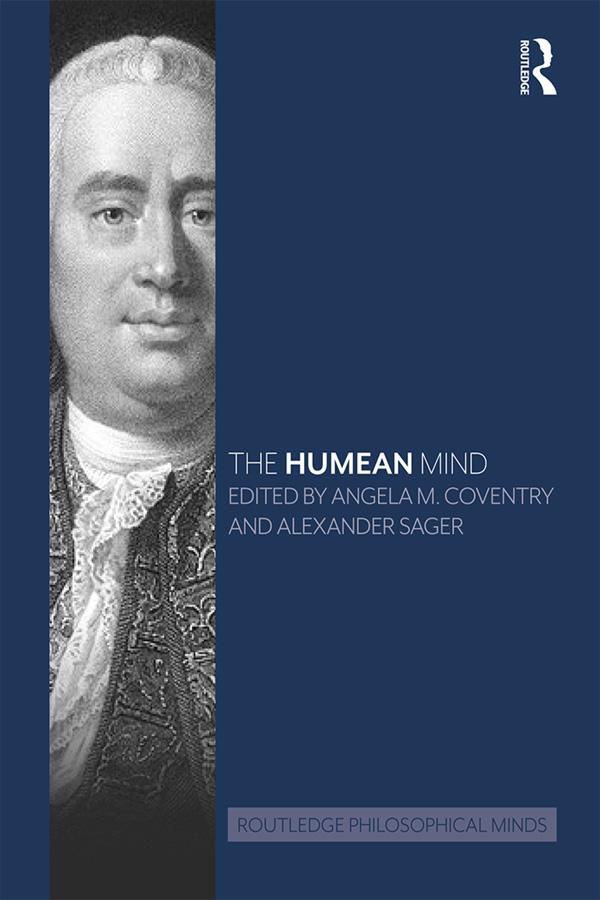
David Hume (1711–1776) is widely acknowledged as one of the most important philosophers in the English language, with his work continuing to exert major influence on philosophy today. His empiricism, naturalism, and psychology of the mind and the passions shape many positions and approaches in the sciences and social sciences.
The Humean Mind seeks to provide a comprehensive survey of his work, not only placing it in its historical context but also exploring its contemporary significance. Comprising 38 chapters by a team of international contributors the Handbook is divided into four sections:
· Intellectual context
· Hume’s thought
· Hume’s reception
· Hume’s legacy
This handbook includes coverage of all major aspects of Hume’s thought with essays spanning the full scope of Hume’s philosophy. Topics explored include Hume’s reception in the eighteenth and nineteenth centuries; Hume’s legacy in the twentieth and twenty-first centuries; Hume’s history, including an essay on Hume as historian, as well as essays on the relevance of history to Hume’s philosophy and his politics, and an updated treatment of Hume’s Legal Philosophy. Also included are essays on race, gender, and animal ethics.
Essential reading for students and researchers in philosophy, Hume’s work is central to epistemology, metaphysics, philosophy of mind, philosophy of science, ethics, legal philosophy and philosophy of religion.
Paga facilmente con carta, Klarna, Apple Pay o Google Pay. Non sei soddisfatto? Hai sempre 14 giorni per il rimborso. Leggi di più nei nostri termini. Per qualsiasi domanda, scrivici a hello@memmo.org.
Memmo rende lo studio più facile, ovunque tu sia nel mondo. Qui trovi i tuoi libri di testo e strumenti di studio intelligenti, tutto in un unico posto: riassunti, quiz, podcast e flashcard. E poi c'è Ted, il tuo compagno di studio che risponde a ogni tua domanda. Oltre 50.000 studenti studiano già qui: è stato creato per aiutarti a imparare più velocemente e a stressarti meno.