
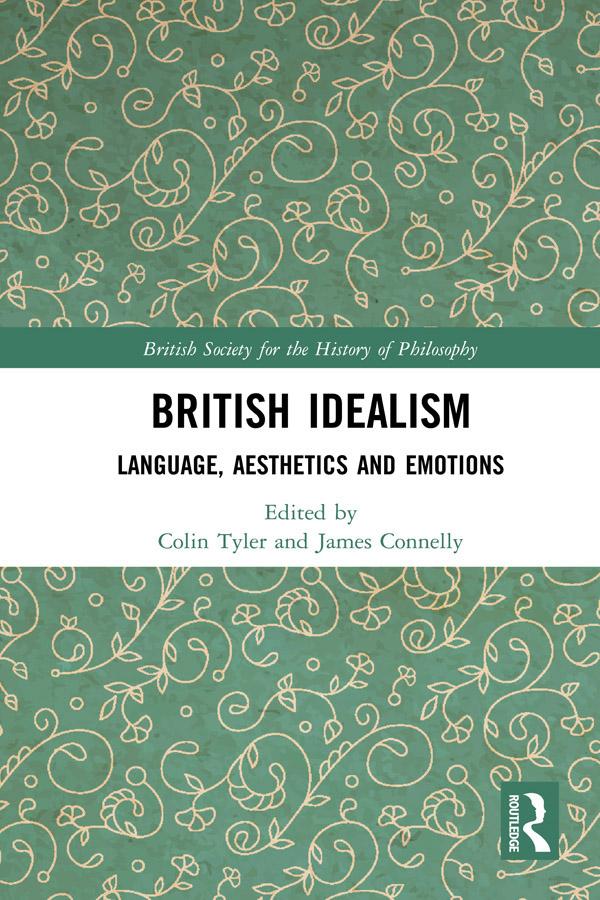
Bertrand Russell, G. E. Moore, and other analytic philosophers of the early 20th century claimed to depart from the British idealists who dominated philosophical debate from the 1870s onwards. The nature and extent of this departure is now widely questioned as philosophers return to the writings of Bernard Bosanquet, F. H. Bradley, R. G. Collingwood, T. H. Green, J. M. E. McTaggart, and others.
Nowadays, the British idealist movement is mostly remembered for its seminal contributions to metaphysics, ethics, and political philosophy. The contributors to this volume explore some of the movement’s other, equally-insightful, contributions to the philosophies of language, aesthetics and emotions. These chapters cover core philosophical issues including the relationship between the speech communities and the general will; the role of emotions in the Absolute; key differences between leading British idealists on the relationships between emotions and relations; the nature of love; the historical re-enactment of imagination and creativity; expressivism in art; and the actual idealism of the British idealists’ Italian counterparts.
This book was originally published as a special issue of the British Journal of the History of Philosophy.
Paga facilmente con carta, Klarna, Apple Pay o Google Pay. Non sei soddisfatto? Hai sempre 14 giorni per il rimborso. Leggi di più nei nostri termini. Per qualsiasi domanda, scrivici a hello@memmo.org.
Memmo rende lo studio più facile, ovunque tu sia nel mondo. Qui trovi i tuoi libri di testo e strumenti di studio intelligenti, tutto in un unico posto: riassunti, quiz, podcast e flashcard. E poi c'è Ted, il tuo compagno di studio che risponde a ogni tua domanda. Oltre 50.000 studenti studiano già qui: è stato creato per aiutarti a imparare più velocemente e a stressarti meno.