
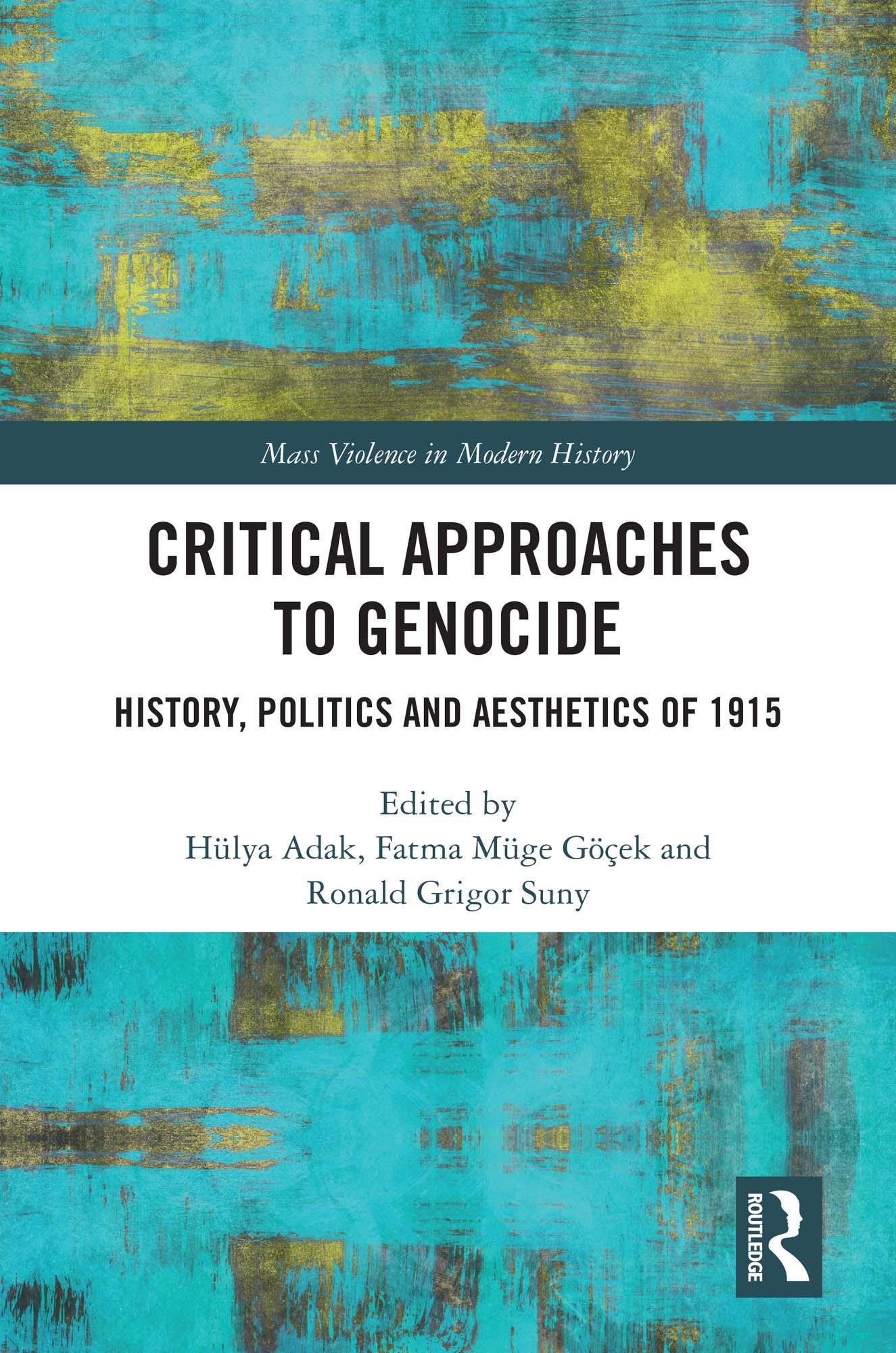
The study of genocide has been appropriate in emphasizing the centrality of the Holocaust; yet, other preceding episodes of mass violence are of great significance. Taking a transnational and transhistorical approach, this volume redresses and replaces the silencing of the Armenian Genocide.
Scholarship relating to the history of denial, comparative approaches in the deportations and killings of Greeks and Armenians during the First World War, and women’s histories during the genocide and post-genocide proliferated during the centennial of the Armenian Genocide in 2015. Collectively, however, these studies have not been enough to offer a comprehensive account of the historical record, documentation, and interpretation of events during 1915-1916. This study seeks to bridge the gap, by unsettling nationalist narratives and addressing areas such as aesthetics, gender, and sexuality. By bringing forward various dimensions of the human experience, including the political, socioeconomic, cultural, social, gendered, and legal contexts within which such silencing occurred, the essays address the methodological silences and processes of selectivity and exclusion in scholarship on the Armenian Genocide.
The interdisciplinary approach makes Critical Approaches to Genocide a useful resource for all students and scholars interested in the Armenian Genocide and memory studies.
Paga facilmente con carta, Klarna, Apple Pay o Google Pay. Non sei soddisfatto? Hai sempre 14 giorni per il rimborso. Leggi di più nei nostri termini. Per qualsiasi domanda, scrivici a hello@memmo.org.
Memmo rende lo studio più facile, ovunque tu sia nel mondo. Qui trovi i tuoi libri di testo e strumenti di studio intelligenti, tutto in un unico posto: riassunti, quiz, podcast e flashcard. E poi c'è Ted, il tuo compagno di studio che risponde a ogni tua domanda. Oltre 50.000 studenti studiano già qui: è stato creato per aiutarti a imparare più velocemente e a stressarti meno.