
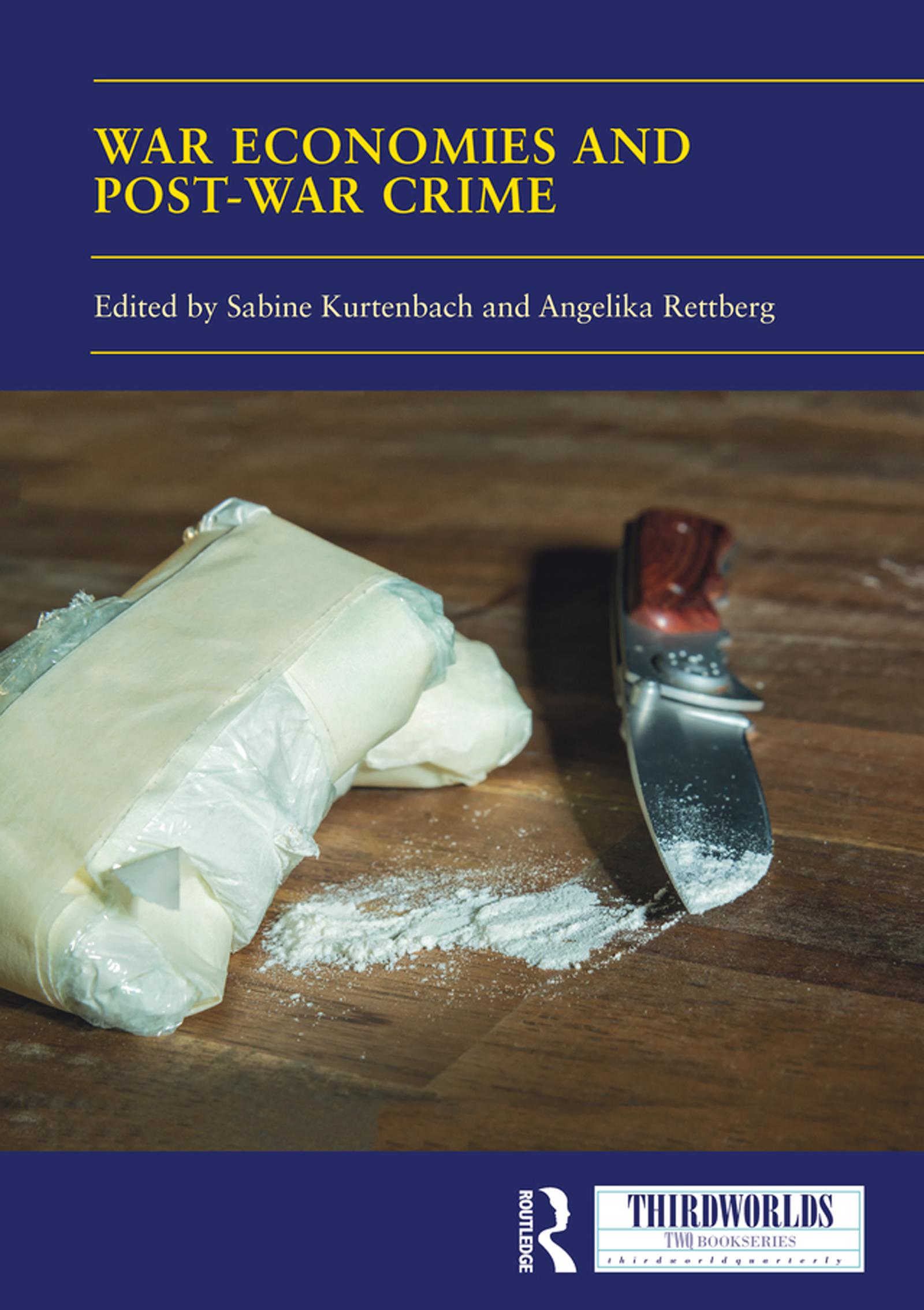
Even when armed conflicts formally end, the transition to peace is not clear-cut. This comprehensive volume explores the mounting evidence which suggests that it is rather ‘unlikely to see a clean break from violence to consent, from theft to production, from repression to democracy, or from impunity to accountability’. The authors analyse the complex endeavour of transitioning out of war, studying how it is often interrelated with other transformations such as changes in the political regime (democratisation) and in the economy (opening of markets to globalisation). They explore how, in the same way as wars and conflicts reflect the societies they befall, post-war orders may replicate and perpetuate some of the drivers of war-related violence, such as high levels of instability, institutional fragility, corruption, and inequality. This book thus suggests that, even in the absence of a formal relapse into war and the re-mobilisation of former insurgents, many transitional contexts are marked by the steady and ongoing reconfiguration of criminal and illegal groups and practices.
This book will be of great interest to students and researchers of political science and peace studies. It was originally published as an online special issue of Third World Thematics.
Paga facilmente con carta, Klarna, Apple Pay o Google Pay. Non sei soddisfatto? Hai sempre 14 giorni per il rimborso. Leggi di più nei nostri termini. Per qualsiasi domanda, scrivici a hello@memmo.org.
Memmo rende lo studio più facile, ovunque tu sia nel mondo. Qui trovi i tuoi libri di testo e strumenti di studio intelligenti, tutto in un unico posto: riassunti, quiz, podcast e flashcard. E poi c'è Ted, il tuo compagno di studio che risponde a ogni tua domanda. Oltre 50.000 studenti studiano già qui: è stato creato per aiutarti a imparare più velocemente e a stressarti meno.