
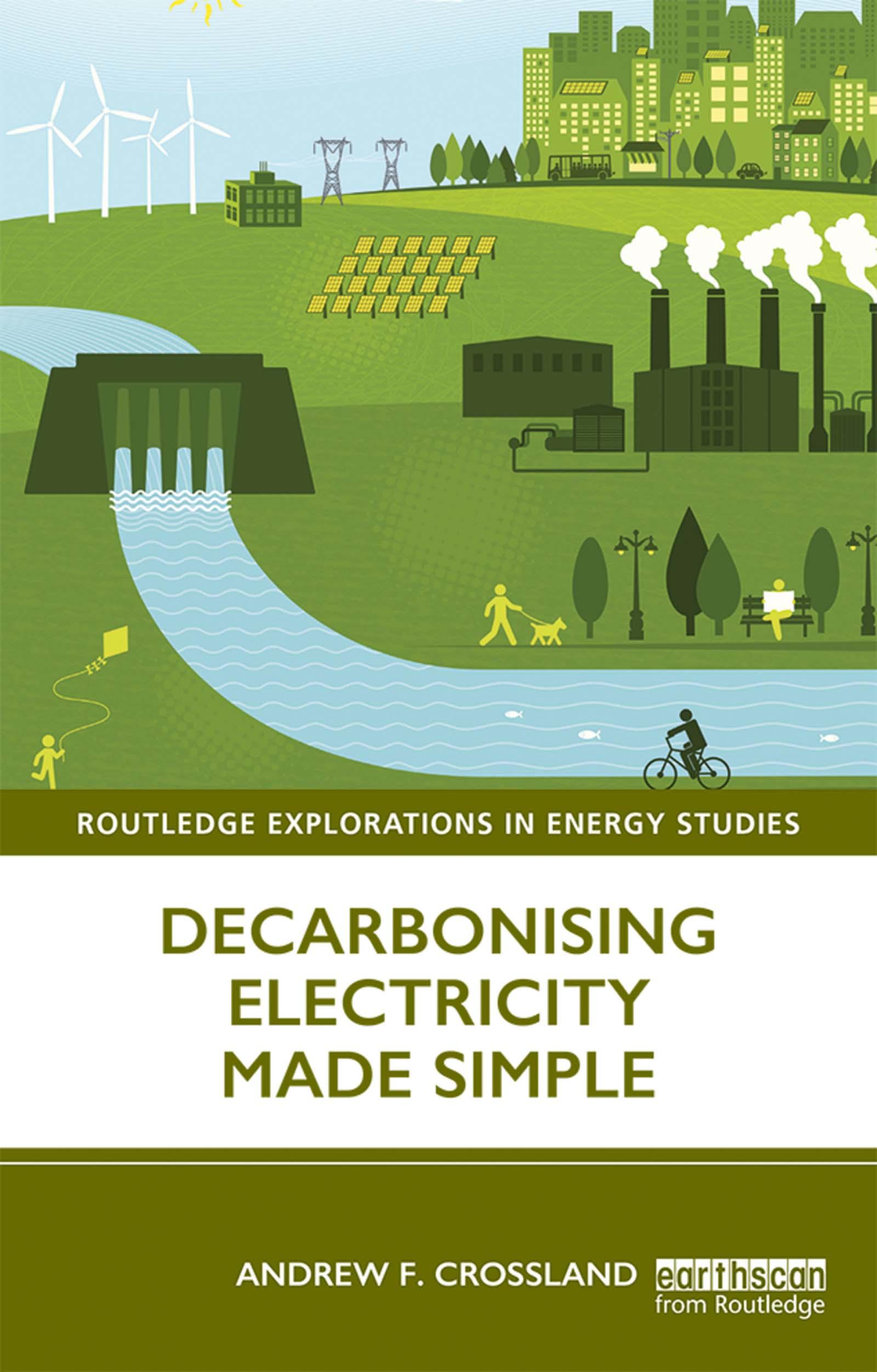
This book assesses how low-carbon generation, the advance of energy storage and consumer-based models can help decarbonise electricity supplies at a national level.
This book is built around developing a decarbonised electricity mix for Britain which reduces fossil fuels from 50% of supply in 2018 down to levels within 2030 carbon targets. Crossland explores the idea of a future energy storage mix which blends domestic batteries, vehicles, thermal stores and pumped hydro to provide a flexible, responsive electricity system. He then goes on to look at how much storage can contribute to decarbonisation in a multitude of contexts – from domestic to national electricity. This book also discusses how efficiency and self-sufficiency can bring about a decarbonised electricity use within our homes today. Britain is used as the main example, but the themes and conclusions are applicable to a global audience, and each chapter draws on practical case studies from around the world to illustrate key ideas.
Drawing on the author’s experience in delivering and analysing low-carbon energy projects in the UK, Sub-Saharan Africa, Latin America and Oceania, this book will be of great relevance to students, scholars and industry specialists with an interest in energy technology, policy and storage.
Paga facilmente con carta, Klarna, Apple Pay o Google Pay. Non sei soddisfatto? Hai sempre 14 giorni per il rimborso. Leggi di più nei nostri termini. Per qualsiasi domanda, scrivici a hello@memmo.org.
Memmo rende lo studio più facile, ovunque tu sia nel mondo. Qui trovi i tuoi libri di testo e strumenti di studio intelligenti, tutto in un unico posto: riassunti, quiz, podcast e flashcard. E poi c'è Ted, il tuo compagno di studio che risponde a ogni tua domanda. Oltre 50.000 studenti studiano già qui: è stato creato per aiutarti a imparare più velocemente e a stressarti meno.