
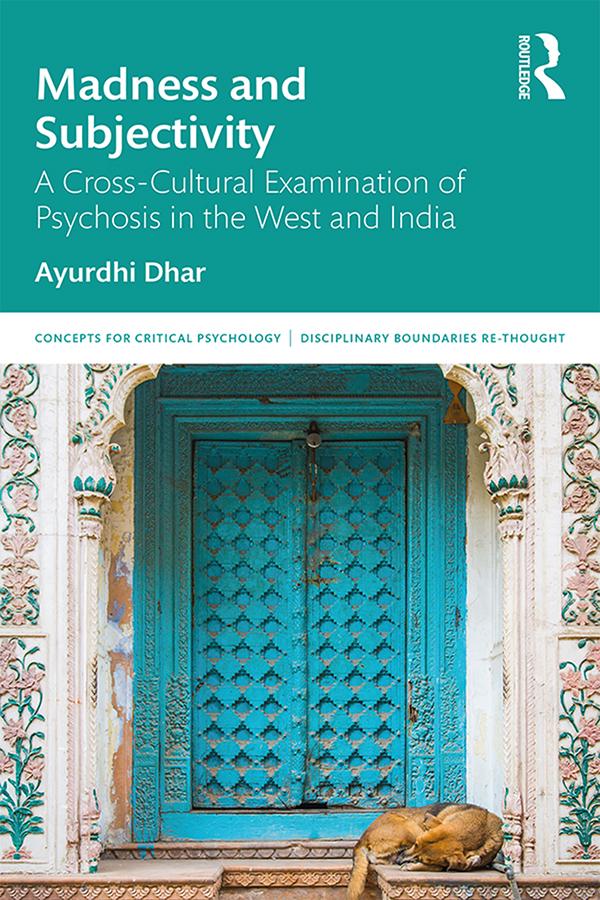
This crucial new work draws on empirical findings from rural North India in relation to madness and subjectivity, revealing the different structures of subjectivity underlying the narratives of schizophrenia, spirits, ghosts, and deities.
Unravelling the loose ends of madness, the author explores the cultural differences in understanding and experiencing madness to examine how modern insanity is treated as a clinical disorder, but historically it represents how we form knowledge and understand self-knowledge. The author begins by theoretically investigating how the schizophrenic personifies the fractures in modern Western thought to explain why, despite decades of intense contention, the category of schizophrenia is still alive. She then examines the narratives of people in the Himalayan Mountains of rural India to reveal the discursive conditions that animate their stories around what psychology calls psychosis, critiquing the monoculturalism in trauma theory and challenging the ongoing march of the Global Mental Health Movement in the Global South.
Examining what a study of madness reveals about two different cultures, and their ways of thinking and being, this is fascinating reading for students interested in mental health, critical psychology, and Indian culture.
Paga facilmente con carta, Klarna, Apple Pay o Google Pay. Non sei soddisfatto? Hai sempre 14 giorni per il rimborso. Leggi di più nei nostri termini. Per qualsiasi domanda, scrivici a hello@memmo.org.
Memmo rende lo studio più facile, ovunque tu sia nel mondo. Qui trovi i tuoi libri di testo e strumenti di studio intelligenti, tutto in un unico posto: riassunti, quiz, podcast e flashcard. E poi c'è Ted, il tuo compagno di studio che risponde a ogni tua domanda. Oltre 50.000 studenti studiano già qui: è stato creato per aiutarti a imparare più velocemente e a stressarti meno.