
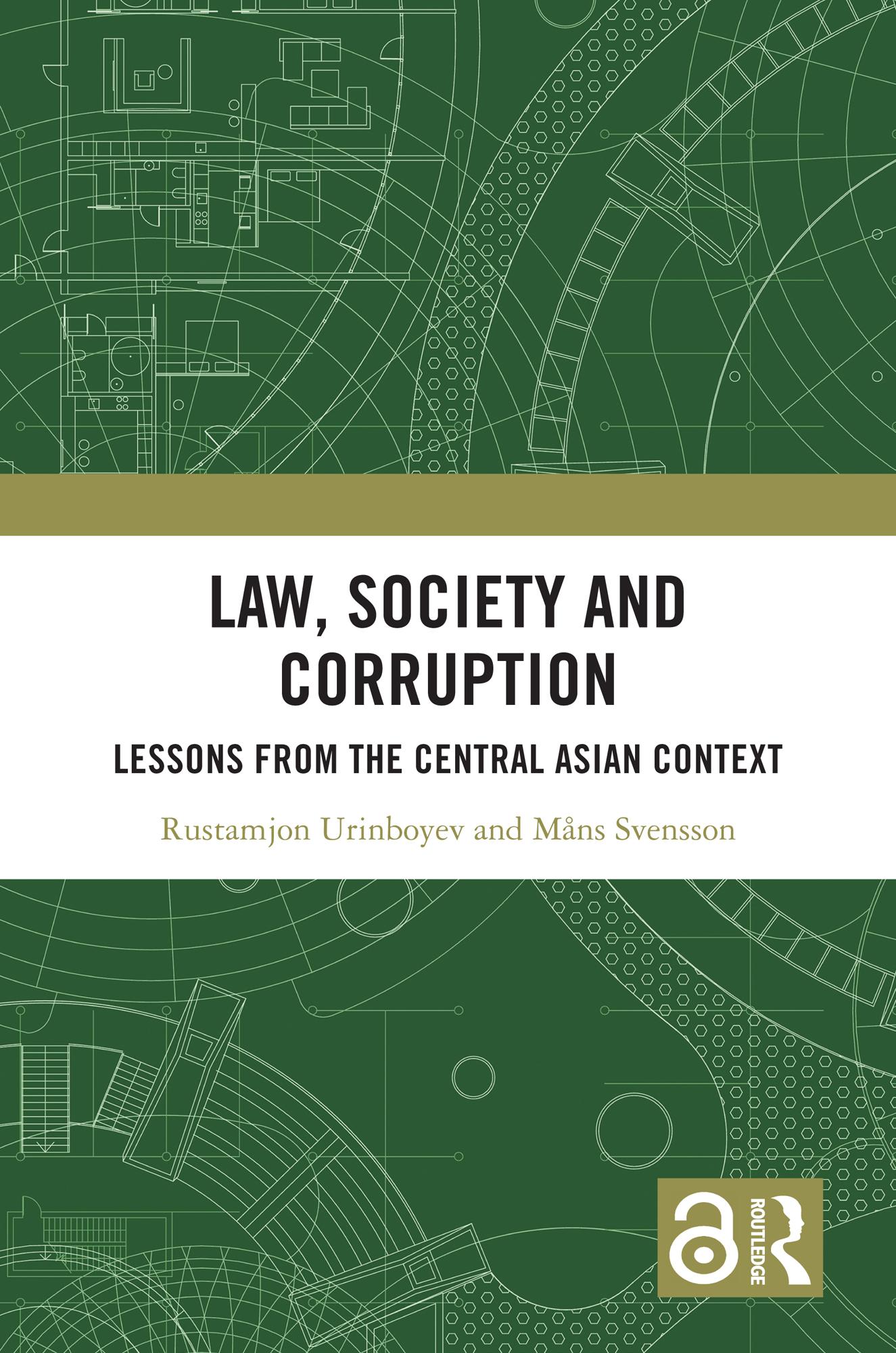
This book presents new socio-legal perspectives and insights on the social life of corruption and anticorruption in authoritarian regimes.
This book takes up the case of Uzbekistan—an authoritarian regime in Central Asia and one of the most corrupt countries in the world according to Transparency International’s Corruption Perceptions Index—and examines the corruption that developed in a tightly closed authoritarian regime permeated by a large-scale shadow economy, a weak rule of law, and a collectivist legal culture. Building on socio-legal frameworks of legal compliance, living law and legal pluralism, the central argument of the book is that the roles, meanings, and logics of corruption are fluid, and depend on a myriad of structural variables, and contextual and situational factors.
This book will be of value to researchers, academics, and students in the fields of sociology of law, legal anthropology, and Central Asian studies, especially those with an interest in the intersection of law, society, and corruption in authoritarian regime contexts.
The Open Access version of this book, available at www.taylorfrancis.com, has been made available under a Creative Commons Attribution (CC-BY) 4.0 International license.
Paga facilmente con carta, Klarna, Apple Pay o Google Pay. Non sei soddisfatto? Hai sempre 14 giorni per il rimborso. Leggi di più nei nostri termini. Per qualsiasi domanda, scrivici a hello@memmo.org.
Memmo rende lo studio più facile, ovunque tu sia nel mondo. Qui trovi i tuoi libri di testo e strumenti di studio intelligenti, tutto in un unico posto: riassunti, quiz, podcast e flashcard. E poi c'è Ted, il tuo compagno di studio che risponde a ogni tua domanda. Oltre 50.000 studenti studiano già qui: è stato creato per aiutarti a imparare più velocemente e a stressarti meno.