
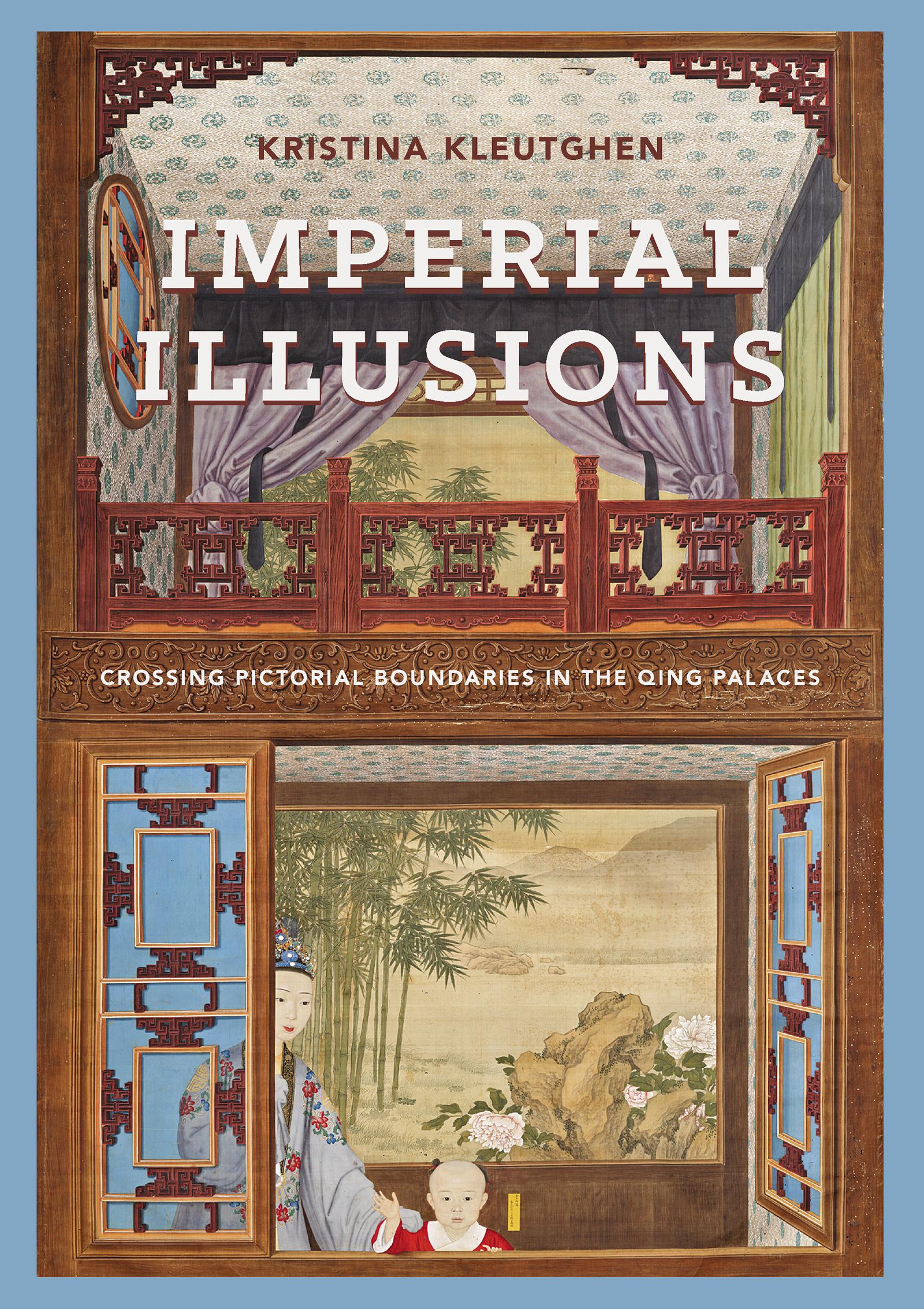
In the Forbidden City and other palaces around Beijing, Emperor Qianlong (r. 1736-1795) surrounded himself with monumental paintings of architecture, gardens, people, and faraway places. The best artists of the imperial painting academy, including a number of European missionary painters, used Western perspectival illusionism to transform walls and ceilings with visually striking images that were also deeply meaningful to Qianlong. These unprecedented works not only offer new insights into late imperial China�s most influential emperor, but also reflect one way in which Chinese art integrated and domesticated foreign ideas.
In Imperial Illusions, Kristina Kleutghen examines all known surviving examples of the Qing court phenomenon of �scenic illusion paintings� (tongjinghua), which today remain inaccessible inside the Forbidden City. Produced at the height of early modern cultural exchange between China and Europe, these works have received little scholarly attention. Richly illustrated, Imperial Illusions offers the first comprehensive investigation of the aesthetic, cultural, perceptual, and political importance of these illusionistic paintings essential to Qianlong�s world.
For more information: http://arthistorypi.org/books/imperial-illusions
Paga facilmente con carta, Klarna, Apple Pay o Google Pay. Non sei soddisfatto? Hai sempre 14 giorni per il rimborso. Leggi di più nei nostri termini. Per qualsiasi domanda, scrivici a hello@memmo.org.
Memmo rende lo studio più facile, ovunque tu sia nel mondo. Qui trovi i tuoi libri di testo e strumenti di studio intelligenti, tutto in un unico posto: riassunti, quiz, podcast e flashcard. E poi c'è Ted, il tuo compagno di studio che risponde a ogni tua domanda. Oltre 50.000 studenti studiano già qui: è stato creato per aiutarti a imparare più velocemente e a stressarti meno.