
In 1950, Alan Turing, the British mathematician, cryptographer, and computer pioneer, looked to the future: now that the conceptual and technical parameters for electronic brains had been established, what kind of intelligence could be built? Should machine intelligence mimic the abstract thinking of a chess player or should it be more like the developing mind of a child? Should an intelligent agent only think, or should it also learn, feel, and grow?
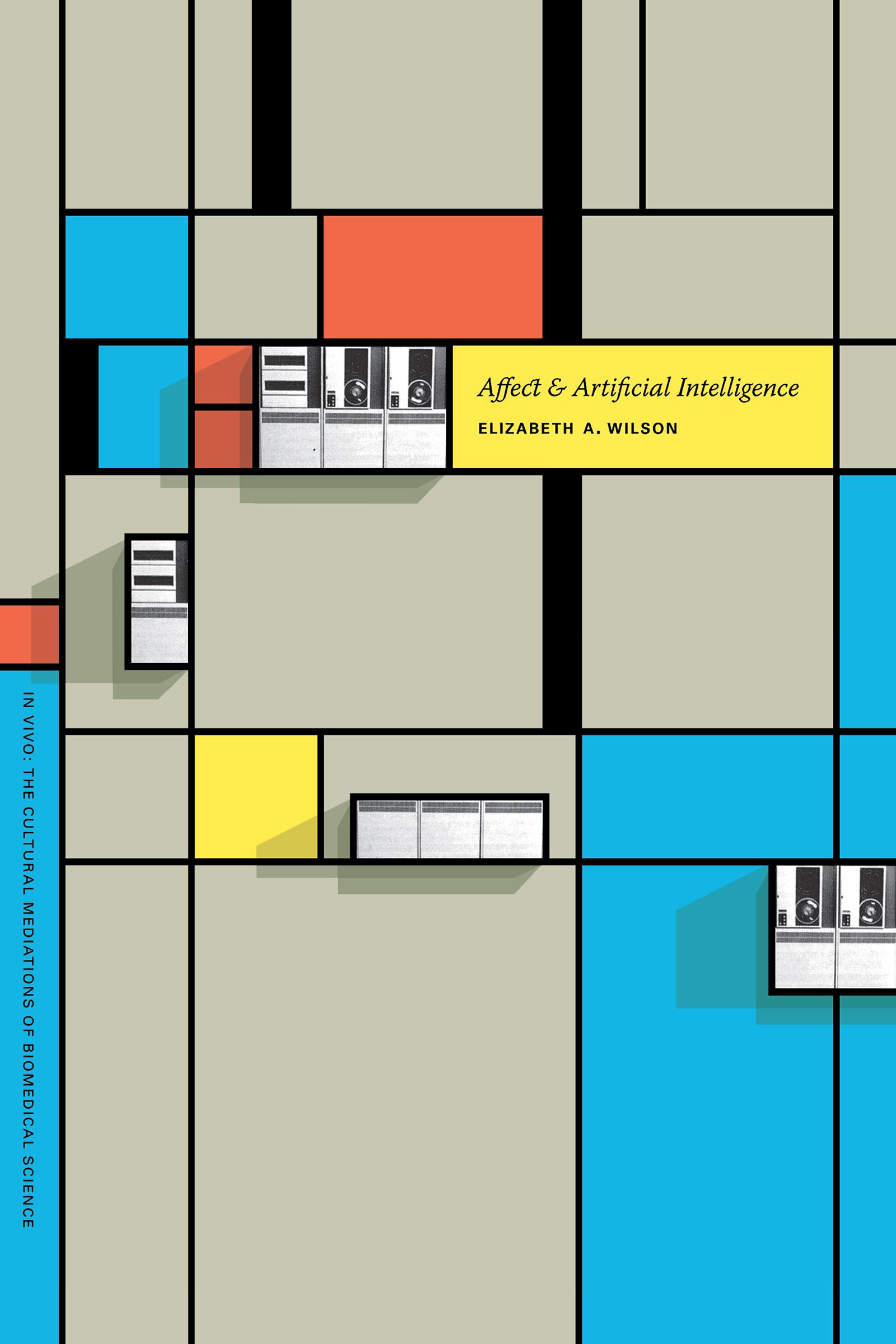
Affect and Artificial Intelligence is the first in-depth analysis of affect and intersubjectivity in the computational sciences. Elizabeth Wilson makes use of archival and unpublished material from the early years of AI (1945–70) until the present to show that early researchers were more engaged with questions of emotion than many commentators have assumed. She documents how affectivity was managed in the canonical works of Walter Pitts in the 1940s and Turing in the 1950s, in projects from the 1960s that injected artificial agents into psychotherapeutic encounters, in chess-playing machines from the 1940s to the present, and in the Kismet (sociable robotics) project at MIT in the 1990s.
Paga facilmente con carta, Klarna, Apple Pay o Google Pay. Non sei soddisfatto? Hai sempre 14 giorni per il rimborso. Leggi di più nei nostri termini. Per qualsiasi domanda, scrivici a hello@memmo.org.
Memmo rende lo studio più facile, ovunque tu sia nel mondo. Qui trovi i tuoi libri di testo e strumenti di studio intelligenti, tutto in un unico posto: riassunti, quiz, podcast e flashcard. E poi c'è Ted, il tuo compagno di studio che risponde a ogni tua domanda. Oltre 50.000 studenti studiano già qui: è stato creato per aiutarti a imparare più velocemente e a stressarti meno.