
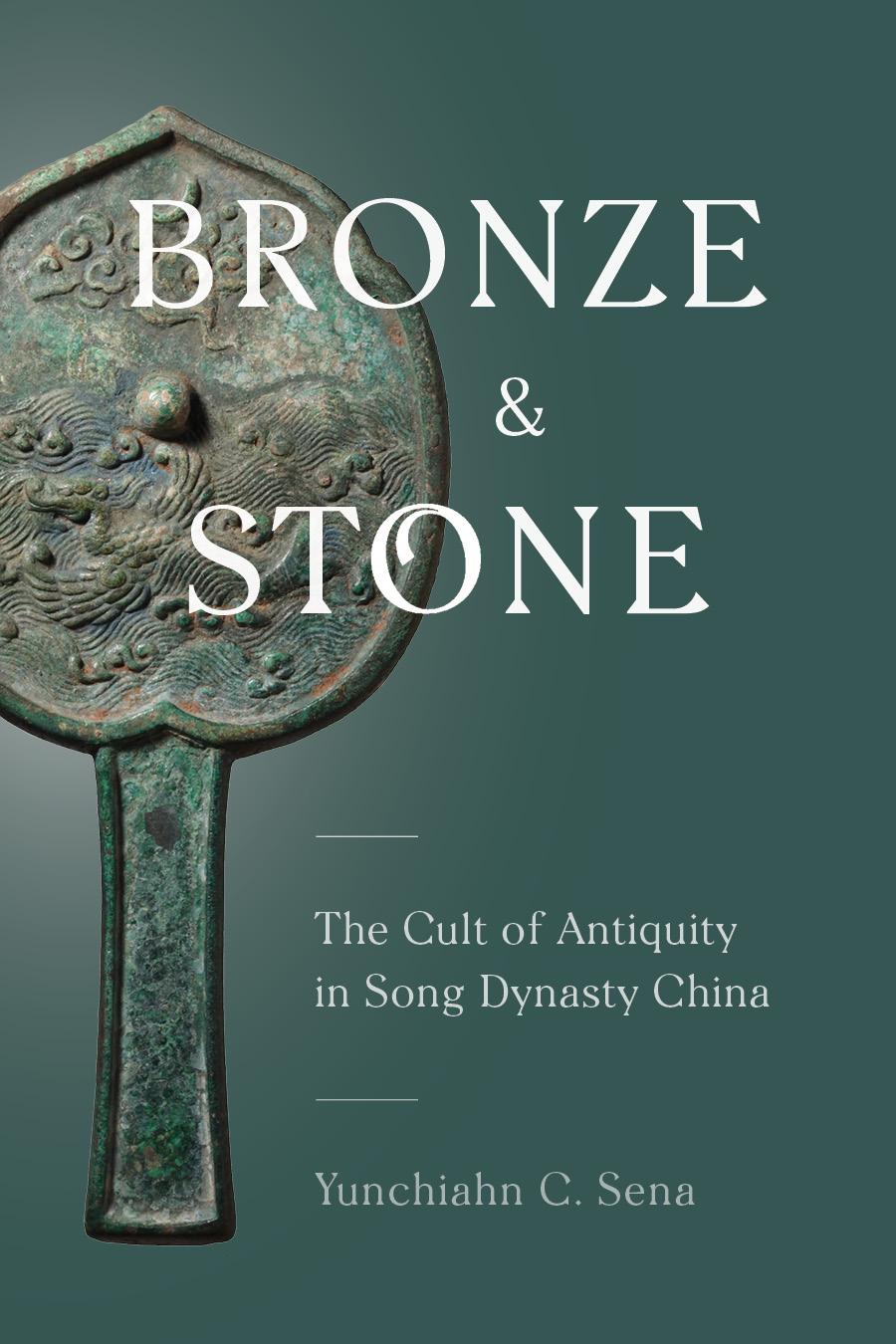
Despite China’s long tradition of venerating the past as the ultimate source of cultural authority, the discourse of antiquity prior to the Song period (960–1279) demonstrated little concern for ancient objects. With a focus on physical artifacts of the past, Song intellectuals began a new discipline, “the study of bronze and stone” (jinshixue), that generated collections of items such as bronze vessels and bells, stone steles, and ink rubbings of inscriptions carved or cast on objects. This first comprehensive study in English of the Song antiquarian movement and how it refashioned the distant past uses textual and material evidence to examine this development, which has had long-lasting influence on Chinese intellectual history and on the preservation of material objects. In addition to collecting and comparing artifacts, Song antiquaries compiled extensive catalogs that included drawings, measurements, and meticulous descriptions. Their studies have contributed to the way history has been documented since the eleventh century and serve as a basis for archaeology of the modern period. Bronze and Stone contextualizes the Song antiquarian movement among previous Chinese engagements with antiquity, subsequent popular interest in ancient objects, and world antiquarianism.
Paga facilmente con carta, Klarna, Apple Pay o Google Pay. Non sei soddisfatto? Hai sempre 14 giorni per il rimborso. Leggi di più nei nostri termini. Per qualsiasi domanda, scrivici a hello@memmo.org.
Memmo rende lo studio più facile, ovunque tu sia nel mondo. Qui trovi i tuoi libri di testo e strumenti di studio intelligenti, tutto in un unico posto: riassunti, quiz, podcast e flashcard. E poi c'è Ted, il tuo compagno di studio che risponde a ogni tua domanda. Oltre 50.000 studenti studiano già qui: è stato creato per aiutarti a imparare più velocemente e a stressarti meno.