
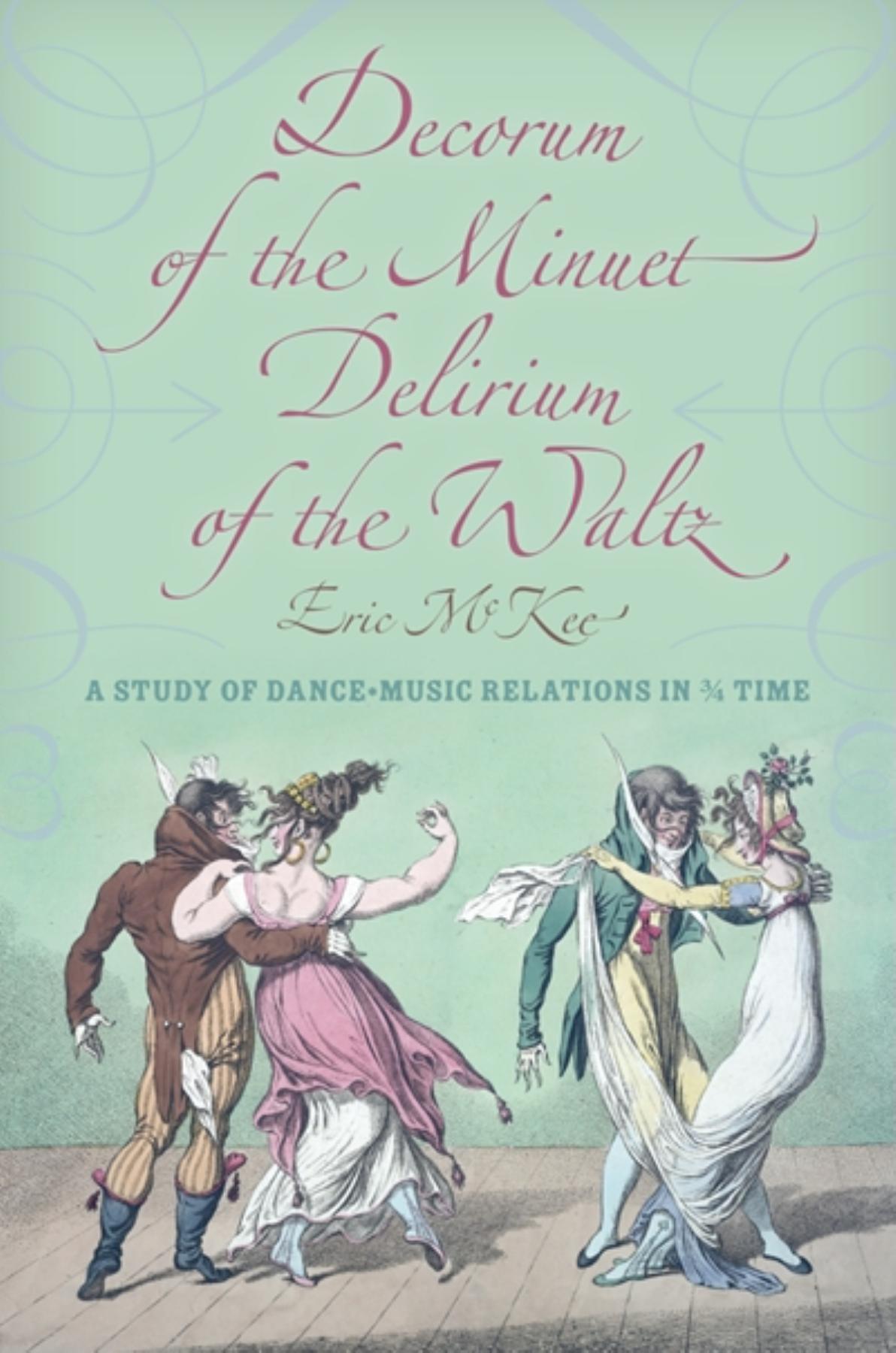
Much music was written for the two most important dances of the 18th and 19th centuries, the minuet and the waltz. In Decorum of the Minuet, Delirium of the Waltz, Eric McKee argues that to better understand the musical structures and expressive meanings of this dance music, one must be aware of the social contexts and bodily rhythms of the social dances upon which it is based. McKee approaches dance music as a component of a multimedia art form that involves the interaction of physical motion, music, architecture, and dress. Moreover, the activity of attending a ball involves a dynamic network of modalities—sight, sound, bodily awareness, touch, and smell, which can be experienced from the perspectives of a dancer, a spectator, or a musician. McKee considers dance music within a larger system of signifiers and points-of-view that opens new avenues of interpretation.
Paga facilmente con carta, Klarna, Apple Pay o Google Pay. Non sei soddisfatto? Hai sempre 14 giorni per il rimborso. Leggi di più nei nostri termini. Per qualsiasi domanda, scrivici a hello@memmo.org.
Memmo rende lo studio più facile, ovunque tu sia nel mondo. Qui trovi i tuoi libri di testo e strumenti di studio intelligenti, tutto in un unico posto: riassunti, quiz, podcast e flashcard. E poi c'è Ted, il tuo compagno di studio che risponde a ogni tua domanda. Oltre 50.000 studenti studiano già qui: è stato creato per aiutarti a imparare più velocemente e a stressarti meno.