
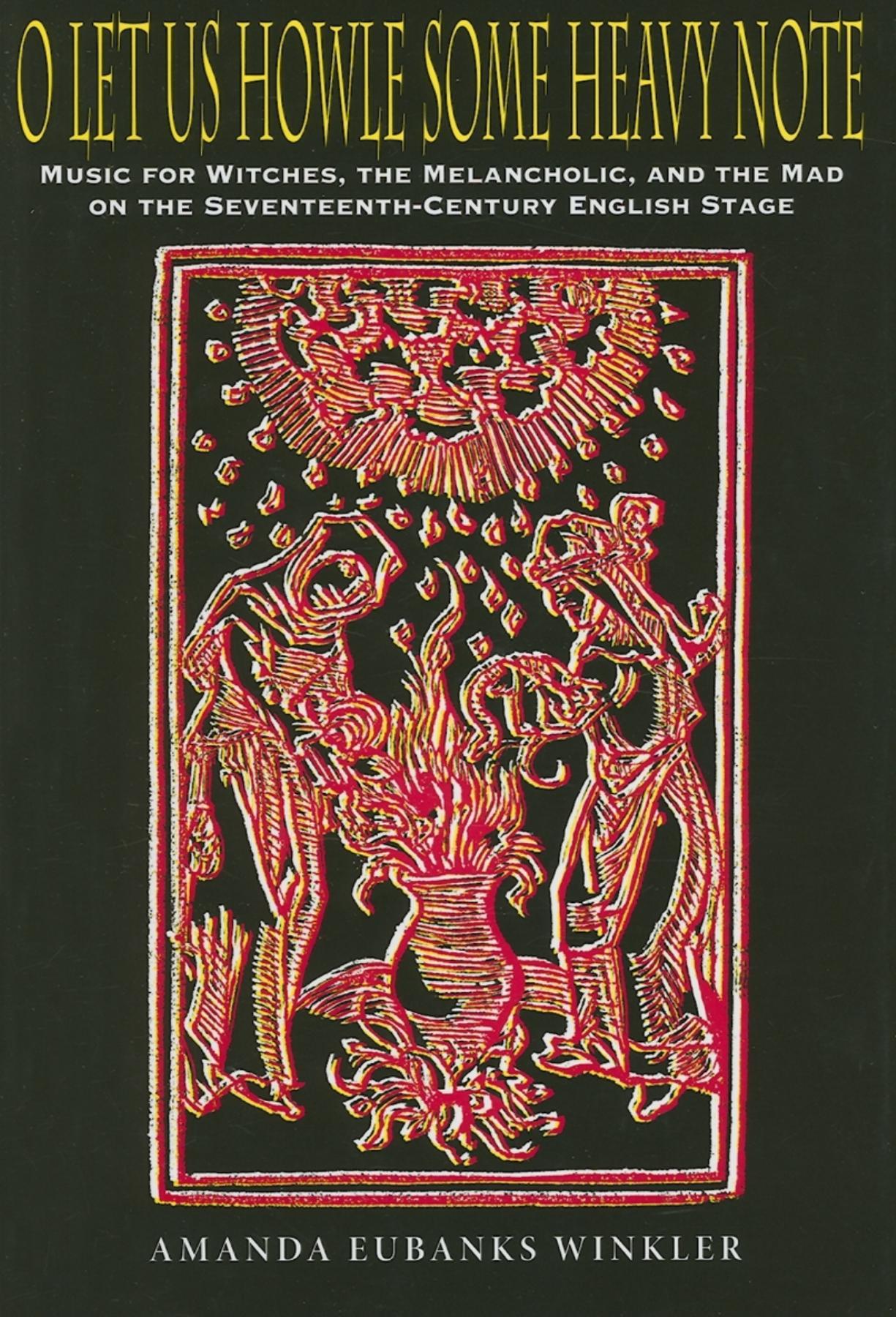
In the 17th century, harmonious sounds were thought to represent the well-ordered body of the obedient subject, and, by extension, the well-ordered state; conversely, discordant, unpleasant music represented both those who caused disorder (murderers, drunkards, witches, traitors) and those who suffered from bodily disorders (melancholics, madmen, and madwomen). While these theoretical correspondences seem straightforward, in theatrical practice the musical portrayals of disorderly characters were multivalent and often ambiguous.
O Let Us Howle Some Heavy Note focuses on the various ways that theatrical music represented disorderly subjects—those who presented either a direct or metaphorical threat to the health of the English kingdom in 17th-century England. Using theater music to examine narratives of social history, Winkler demonstrates how music reinscribed and often resisted conservative, political, religious, gender, and social ideologies.
Paga facilmente con carta, Klarna, Apple Pay o Google Pay. Non sei soddisfatto? Hai sempre 14 giorni per il rimborso. Leggi di più nei nostri termini. Per qualsiasi domanda, scrivici a hello@memmo.org.
Memmo rende lo studio più facile, ovunque tu sia nel mondo. Qui trovi i tuoi libri di testo e strumenti di studio intelligenti, tutto in un unico posto: riassunti, quiz, podcast e flashcard. E poi c'è Ted, il tuo compagno di studio che risponde a ogni tua domanda. Oltre 50.000 studenti studiano già qui: è stato creato per aiutarti a imparare più velocemente e a stressarti meno.