
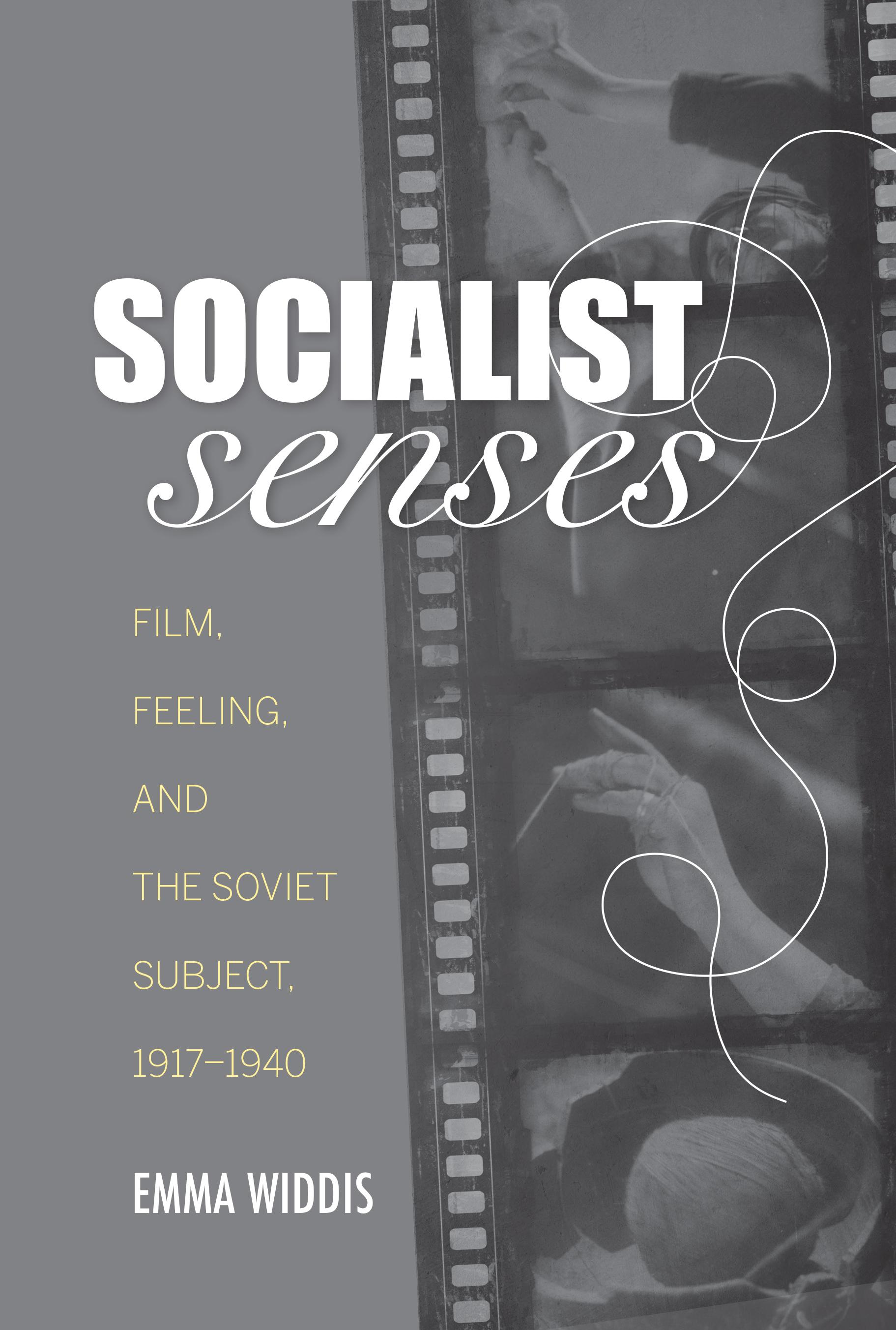
This major reimagining of the history of Soviet film and its cultural impact explores the fundamental transformations in how film, through the senses, remade the Soviet self in the 1920s and 1930s. Following the Russian Revolution, there was a shared ambition for a 'sensory revolution' to accompany political and social change: Soviet men and women were to be reborn into a revitalized relationship with the material world. Cinema was seen as a privileged site for the creation of this sensory revolution: film could both discover the world anew, and model a way of inhabiting it. Drawing upon an extraordinary array of films, noted scholar Emma Widdis shows how Soviet cinema, as it evolved from the revolutionary avant-garde to Socialist Realism, gradually shifted its materialist agenda from emphasizing the external senses to instilling the appropriate internal senses (consciousness, emotions) in the new Soviet subject.
Paga facilmente con carta, Klarna, Apple Pay o Google Pay. Non sei soddisfatto? Hai sempre 14 giorni per il rimborso. Leggi di più nei nostri termini. Per qualsiasi domanda, scrivici a hello@memmo.org.
Memmo rende lo studio più facile, ovunque tu sia nel mondo. Qui trovi i tuoi libri di testo e strumenti di studio intelligenti, tutto in un unico posto: riassunti, quiz, podcast e flashcard. E poi c'è Ted, il tuo compagno di studio che risponde a ogni tua domanda. Oltre 50.000 studenti studiano già qui: è stato creato per aiutarti a imparare più velocemente e a stressarti meno.