
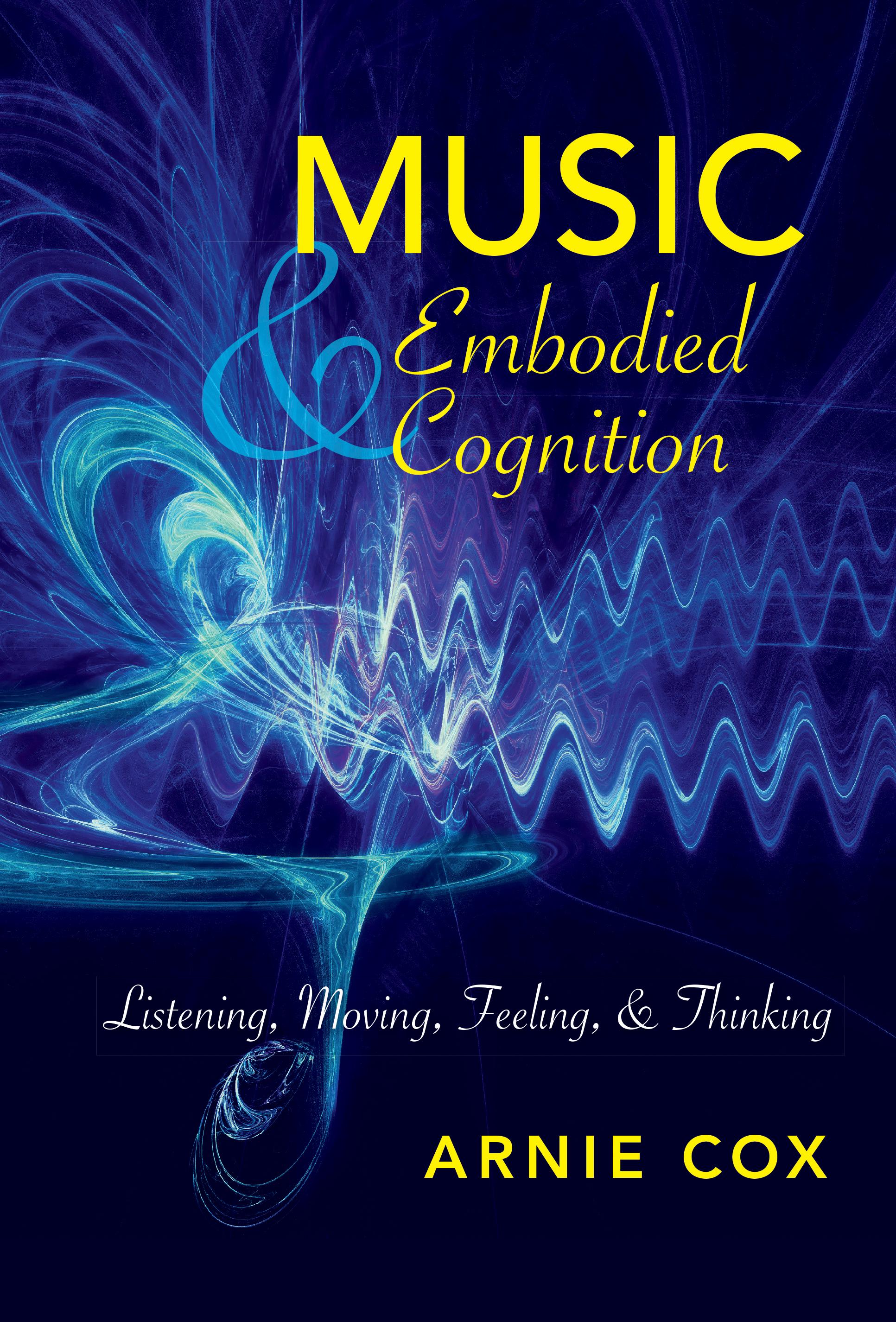
Taking a cognitive approach to musical meaning, Arnie Cox explores embodied experiences of hearing music as those that move us both consciously and unconsciously. In this pioneering study that draws on neuroscience and music theory, phenomenology and cognitive science, Cox advances his theory of the "mimetic hypothesis," the notion that a large part of our experience and understanding of music involves an embodied imitation in the listener of bodily motions and exertions that are involved in producing music. Through an often unconscious imitation of action and sound, we feel the music as it moves and grows. With applications to tonal and post-tonal Western classical music, to Western vernacular music, and to non-Western music, Cox's work stands to expand the range of phenomena that can be explained by the role of sensory, motor, and affective aspects of human experience and cognition.
Paga facilmente con carta, Klarna, Apple Pay o Google Pay. Non sei soddisfatto? Hai sempre 14 giorni per il rimborso. Leggi di più nei nostri termini. Per qualsiasi domanda, scrivici a hello@memmo.org.
Memmo rende lo studio più facile, ovunque tu sia nel mondo. Qui trovi i tuoi libri di testo e strumenti di studio intelligenti, tutto in un unico posto: riassunti, quiz, podcast e flashcard. E poi c'è Ted, il tuo compagno di studio che risponde a ogni tua domanda. Oltre 50.000 studenti studiano già qui: è stato creato per aiutarti a imparare più velocemente e a stressarti meno.