
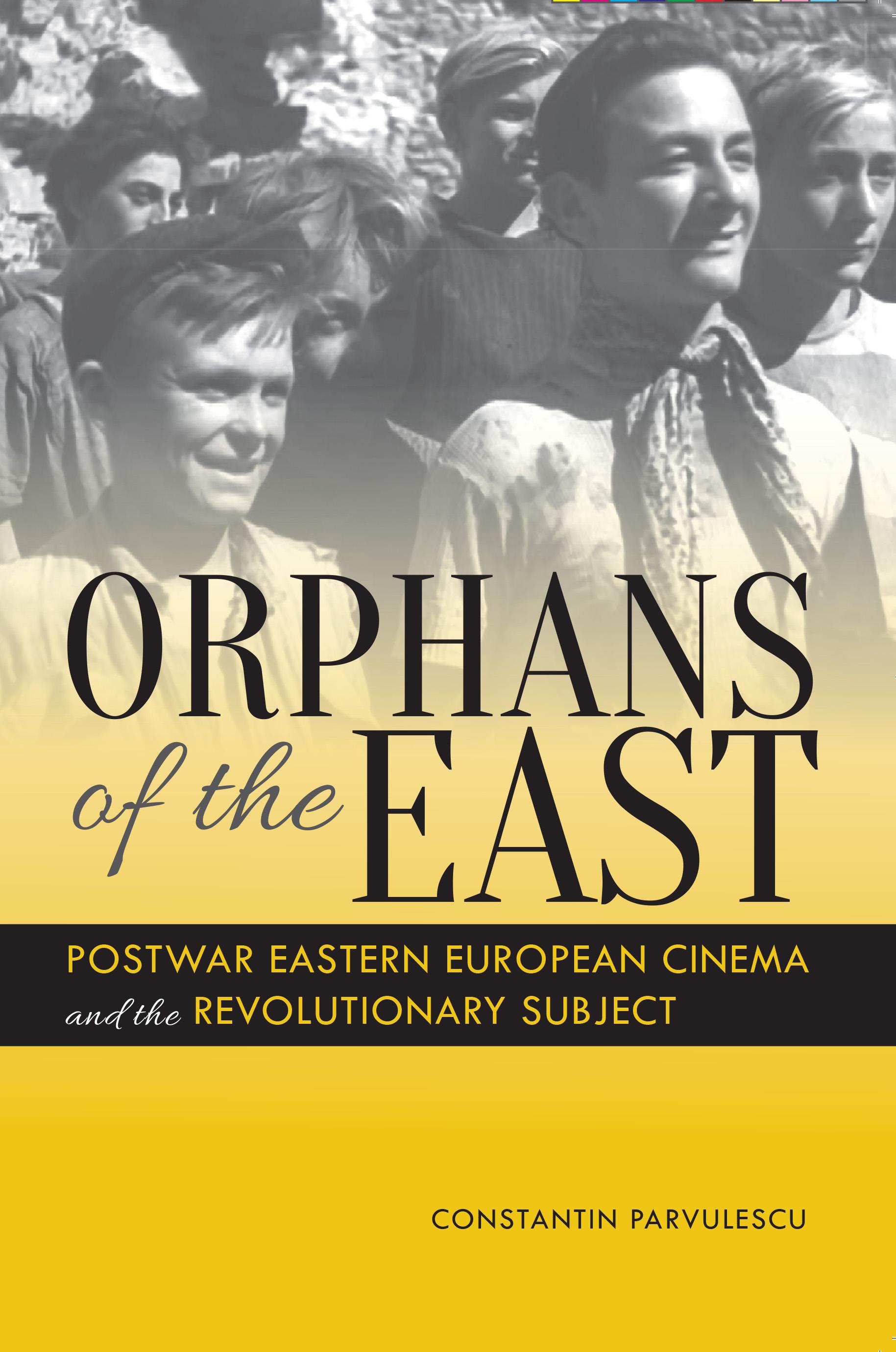
Unlike the benevolent orphan found in Charlie Chaplin's The Kid or the sentimentalized figure of Little Orphan Annie, the orphan in postwar Eastern European cinema takes on a more politically fraught role, embodying the tensions of individuals struggling to recover from war and grappling with an unknown future under Soviet rule. By exploring films produced in postwar Hungary, the German Democratic Republic, Czechoslovakia, Romania, and Poland, Parvulescu traces the way in which cinema envisioned and debated the condition of the post-World War II subject and the "new man" of Soviet-style communism. In these films, the orphan becomes a cinematic trope that interrogates socialist visions of ideological institutionalization and re-education and stands as a silent critic of the system's shortcomings or as a resilient spirit who has resisted capture by the political apparatus of the new state.
Paga facilmente con carta, Klarna, Apple Pay o Google Pay. Non sei soddisfatto? Hai sempre 14 giorni per il rimborso. Leggi di più nei nostri termini. Per qualsiasi domanda, scrivici a hello@memmo.org.
Memmo rende lo studio più facile, ovunque tu sia nel mondo. Qui trovi i tuoi libri di testo e strumenti di studio intelligenti, tutto in un unico posto: riassunti, quiz, podcast e flashcard. E poi c'è Ted, il tuo compagno di studio che risponde a ogni tua domanda. Oltre 50.000 studenti studiano già qui: è stato creato per aiutarti a imparare più velocemente e a stressarti meno.