
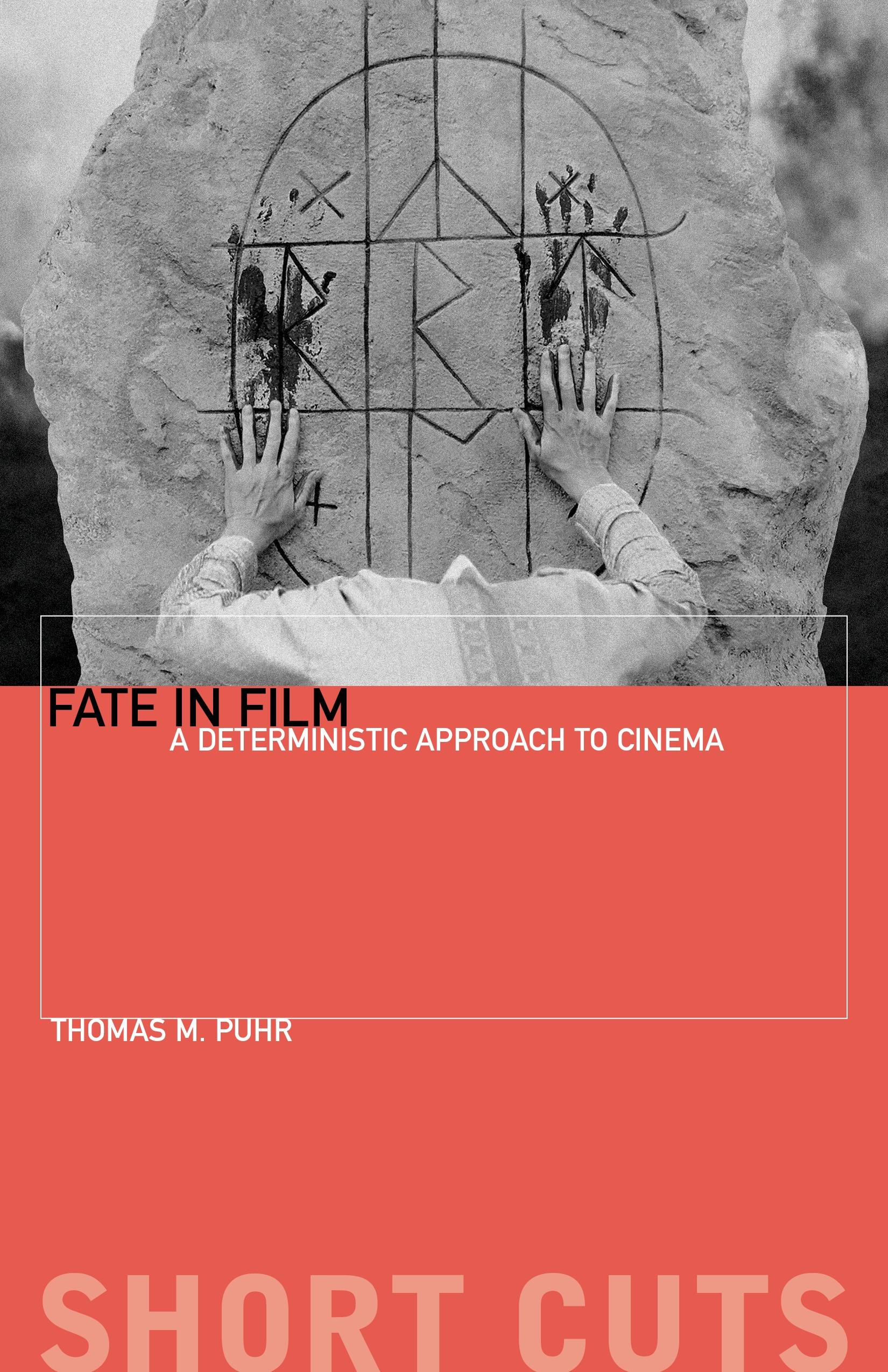
The course of events is predetermined and cannot be changed. Forces beyond our control—or even our comprehension—shape our fates. Such is the deterministic worldview embedded in a wide swath of contemporary cinema, from arthouse experiments to popular genre films, through both thematic concerns and narrative structures. These films, especially the recent spate of “elevated” science fiction and horror, tap into this deep-seated anxiety by focusing on characters who ultimately fail to transcend the patterns and structures that define them.
Thomas M. Puhr identifies and analyzes the ways that cinema has dealt with the tension between fate and free will, from Stanley Kubrick’s The Shining to Christopher Nolan’s Tenet. He examines films that express deterministic ideas, including circular narratives of stasis or confinement and fatalistic portraits of external forces dictating characters’ lives. Puhr considers determinism at the levels of the individual, the family, and society, reading films in which characters are trapped by past or alternate selves, the burdens of family histories, or oppressive social structures. He explores how films such as Joel and Ethan Coen’s Inside Llewyn Davis, Ari Aster’s Hereditary, Jordan Peele’s Us, and Lucrecia Martel’s Zama confront the limits of human agency. Puhr relates deterministic themes to the nature of moviegoing: In denying characters any ability to choose alternative paths, these films mirror how viewers themselves can only sit and watch.
Recasting the works of some of today’s most compelling directors, Fate in Film is an innovative critical account of an unrecognized yet crucial aspect of contemporary cinema.
Paga facilmente con carta, Klarna, Apple Pay o Google Pay. Non sei soddisfatto? Hai sempre 14 giorni per il rimborso. Leggi di più nei nostri termini. Per qualsiasi domanda, scrivici a hello@memmo.org.
Memmo rende lo studio più facile, ovunque tu sia nel mondo. Qui trovi i tuoi libri di testo e strumenti di studio intelligenti, tutto in un unico posto: riassunti, quiz, podcast e flashcard. E poi c'è Ted, il tuo compagno di studio che risponde a ogni tua domanda. Oltre 50.000 studenti studiano già qui: è stato creato per aiutarti a imparare più velocemente e a stressarti meno.