
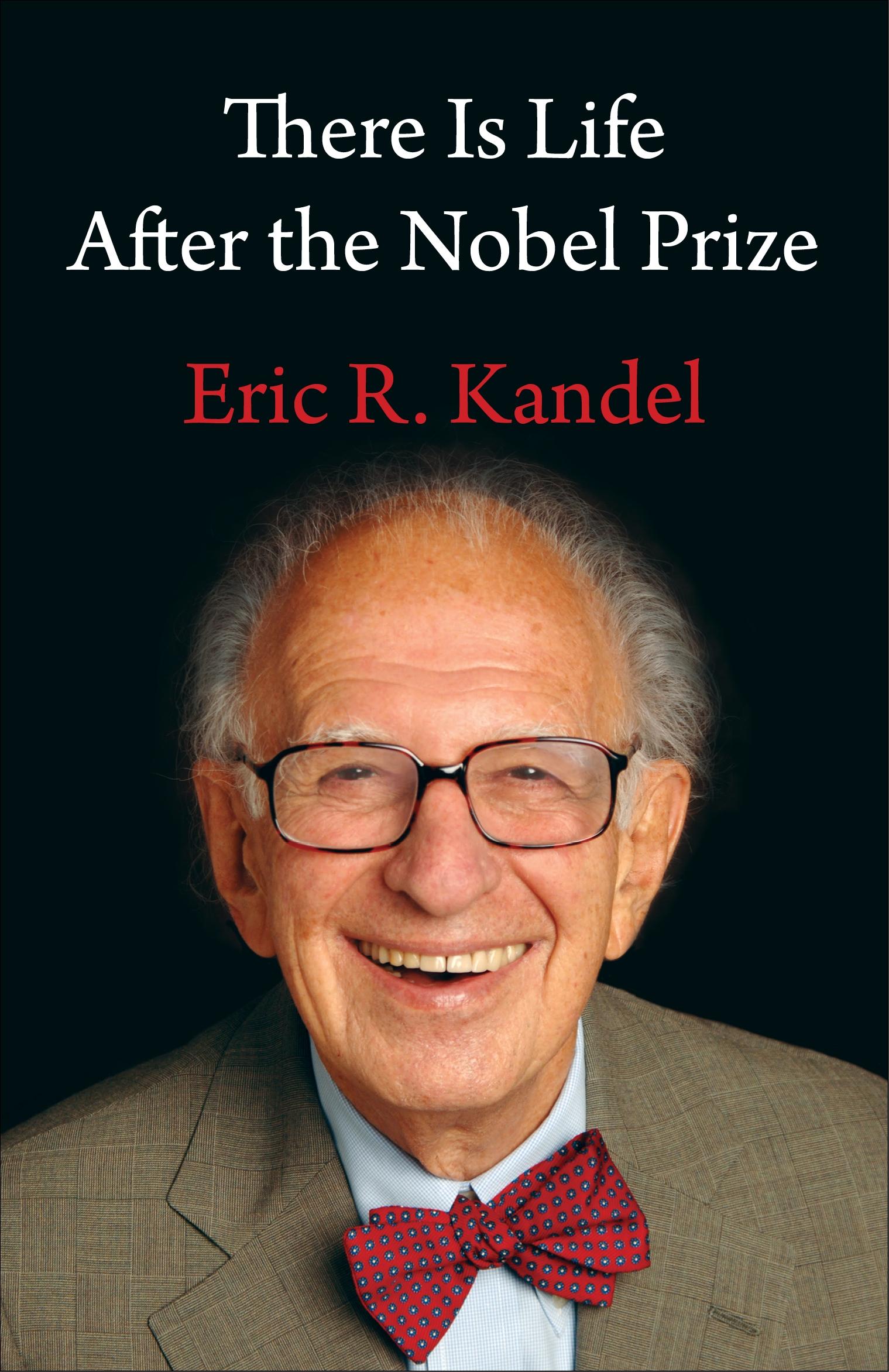
One day in 1996, the neuroscientist Eric R. Kandel took a call from his program officer at the National Institute of Mental Health, who informed him that he had been awarded a key grant. Also, the officer said, he and his colleagues thought Kandel would win the Nobel Prize. “I hope not soon,” Kandel’s wife, Denise, said when she heard this. Sociologists had found that Nobel Prize winners often did not contribute much more to science, she explained.
In this book, Kandel recounts his remarkable career since receiving the Nobel in 2000—or his experience of proving to his wife that he was not yet “completely dead intellectually.” He takes readers through his lab’s scientific advances, including research into how long-term memory is stored in the brain, the nature of age-related memory loss, and the neuroscience of drug addiction and schizophrenia. Kandel relates how the Nobel Prize gave him the opportunity to reach a far larger audience, which in turn allowed him to discover and pursue new directions. He describes his efforts to promote public understanding of science and to put brain science and art into conversation with each other. Kandel also discusses his return to Austria, which he had fled as a child, and observes Austria’s coming to terms with the Nazi period. Showcasing Kandel’s accomplishments, erudition, and wit, There Is Life After the Nobel Prize is a candid account of the working life of an acclaimed scientist.
Paga facilmente con carta, Klarna, Apple Pay o Google Pay. Non sei soddisfatto? Hai sempre 14 giorni per il rimborso. Leggi di più nei nostri termini. Per qualsiasi domanda, scrivici a hello@memmo.org.
Memmo rende lo studio più facile, ovunque tu sia nel mondo. Qui trovi i tuoi libri di testo e strumenti di studio intelligenti, tutto in un unico posto: riassunti, quiz, podcast e flashcard. E poi c'è Ted, il tuo compagno di studio che risponde a ogni tua domanda. Oltre 50.000 studenti studiano già qui: è stato creato per aiutarti a imparare più velocemente e a stressarti meno.