
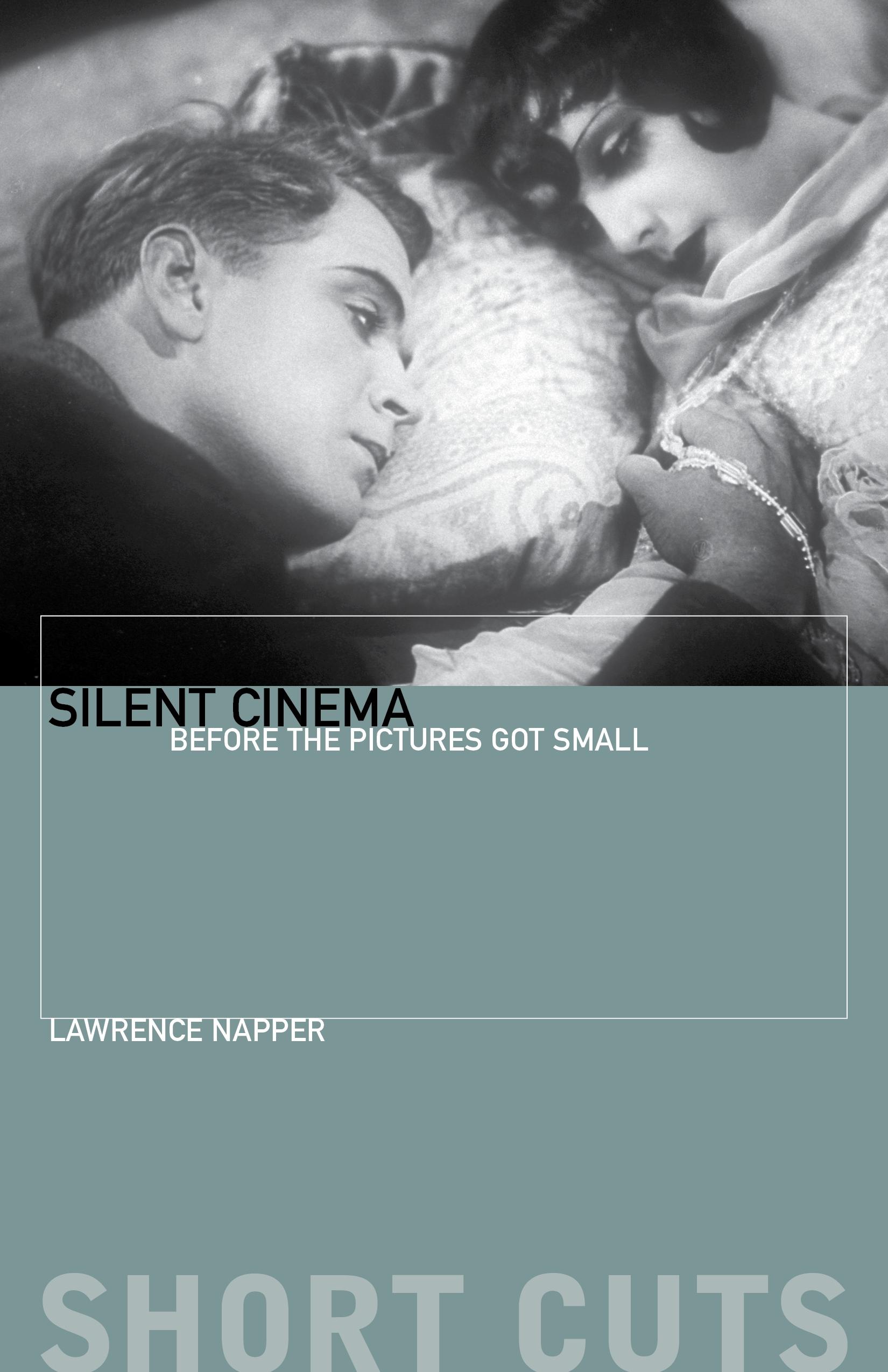
Since the spectacular success of The Artist (2011) there has been a resurgence of interest in silent cinema, and particularly in the lush and passionate screen dramas of the 1920s. This book offers an introduction to the cinema of this extraordinary period, outlining the development of the form between the end of the First World War and the introduction of synchronized sound at the end of the 1920s. Lawrence Napper addresses the relationship between film aesthetics and the industrial and political contexts of film production through a series of case studies of "national" cinemas. It also focuses on film-going as the most popular leisure activity of the age. Topics such as the star system, cinema buildings, musical accompaniments, film fashions, and fan cultures are addressed—all the elements that ensured that the experience of the pictures was "big." The international dominance of Hollywood is outlined, as are the different responses to that dominance in Britain, Germany, and the USSR. Case studies seek to move beyond the familiar silent canon, and include The Oyster Princess (1919), It (1927), Shooting Stars (1927), and The Girl with the Hatbox (1927).
Paga facilmente con carta, Klarna, Apple Pay o Google Pay. Non sei soddisfatto? Hai sempre 14 giorni per il rimborso. Leggi di più nei nostri termini. Per qualsiasi domanda, scrivici a hello@memmo.org.
Memmo rende lo studio più facile, ovunque tu sia nel mondo. Qui trovi i tuoi libri di testo e strumenti di studio intelligenti, tutto in un unico posto: riassunti, quiz, podcast e flashcard. E poi c'è Ted, il tuo compagno di studio che risponde a ogni tua domanda. Oltre 50.000 studenti studiano già qui: è stato creato per aiutarti a imparare più velocemente e a stressarti meno.
Potrebbe interessarti anche
Acquista il libro0