
Antes de Memmo, mis apuntes estaban dispersos en PDFs. Ahora, un espacio de trabajo lo reúne todo y veo exactamente lo que me queda por estudiar.
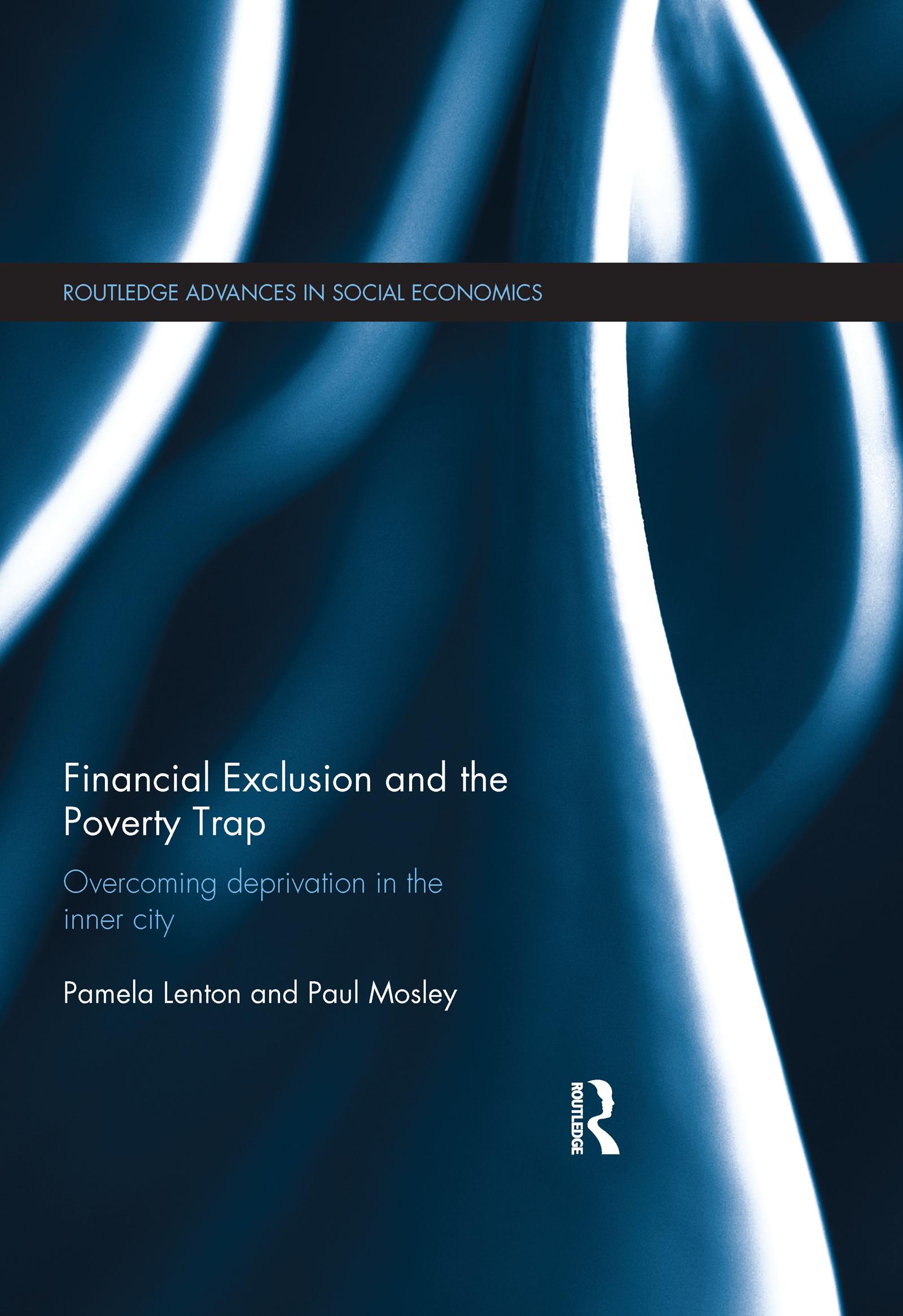
The persistence of poverty hurts us all, and attacking poverty is a major policy objective everywhere. In Britain, the main political parties have an anti-poverty mandate and in particular an agreed commitment to eliminate child poverty by 2020, but there is controversy over how this should be done. This book addresses one of the main causes of poverty, financial exclusion – the inability to access finance from the high-street banks. People on low or irregular incomes typically have to resort to loan sharks, ‘doorstep lenders’ and other informal credit sources, a predicament which makes escape from the poverty trap doubly difficult.
Over the last fifteen years, a strategy of breaking down the poverty trap has been implemented, known in the UK as community development financial institutions (CDFIs), typically non-profit lending institutions focussed on the financially excluded, and seeking to learn from the achievements of microfinance around the world. Focussing on the period 2007-09, during which the UK went into a global recession, this book investigates how CDFIs work and how well they have helped low-income people and businesses to weather that recession. Based on a study of eight CDFIs in four UK cities, we ask: what ideas for overcoming financial exclusion have worked well, and which have worked badly? What can we learn from the experience of these CDFIs which can help reduce poverty in this country and globally?
We assess the impact of CDFIs using a range of indicators (including income, assets, education, health) and ask what changes in policy by both CDFIs and government agencies (for example, benefits agencies) might be able to increase impact. Some of the key lessons are: CDFIs need to work with appropriate partners to build up savings capacity in their clients; the community environment is vital in determining who escapes from the poverty trap; and CDFIs can never function properly unless they learn how to control their overdue debts.
This book will be vital reading for those concerned with social policy, microfinance and anti-poverty policies in industrialised countries and around the world.
Antes de Memmo, mis apuntes estaban dispersos en PDFs. Ahora, un espacio de trabajo lo reúne todo y veo exactamente lo que me queda por estudiar.
Los resúmenes de Memmo son oro antes de los exámenes. No tengo que releer 800 páginas dos semanas antes, solo las partes importantes.
El chat de IA me ha salvado la noche antes de un examen más de una vez. Sigo preguntando hasta que lo entiendo, sin esperar a que un grupo de estudio responda.
Los cuestionarios aciertan exactamente lo que necesito saber. Memmo registra dónde me atasco, así que solo practico lo que vale la pena.
Las flashcards con repetición espaciada son magia. Memmo sabe cuándo estoy a punto de olvidar algo y me lo recuerda.
Los pódcasts de IA son mis favoritos. Los escucho de camino a la universidad y obtengo un resumen sin tener que sentarme frente a un ordenador.

Handbok i kvalitativa metoder
281 kr

Hållbar utveckling: en introduktion för ingenjörer och andra problemlösare
334 kr

Brymans Samhällsvetenskapliga metoder
390 kr

Projektledning
491 kr

Den orättvisa hälsan: om socioekonomiska skillnader i hälsa och livslängd
326 kr

Organizational Leadership
429 kr

Vetenskapsteori för nybörjare
196 kr

På väg mot läraryrket
172 kr

Det sociala livet i skolan: Socialpsykologiska perspektiv
253 kr

Betygsättningens didaktik
151 kr

Personality
402 kr

Studying Leadership
404 kr

Managing Innovation
477 kr

Introduktion till samhällsvetenskaplig metod
347 kr

The Psychology of Sex and Gender
698 kr

Introduction to Leadership
605 kr

Evidens och kunskap för socialt arbete
207 kr