
Antes de Memmo, mis apuntes estaban dispersos en PDFs. Ahora, un espacio de trabajo lo reúne todo y veo exactamente lo que me queda por estudiar.
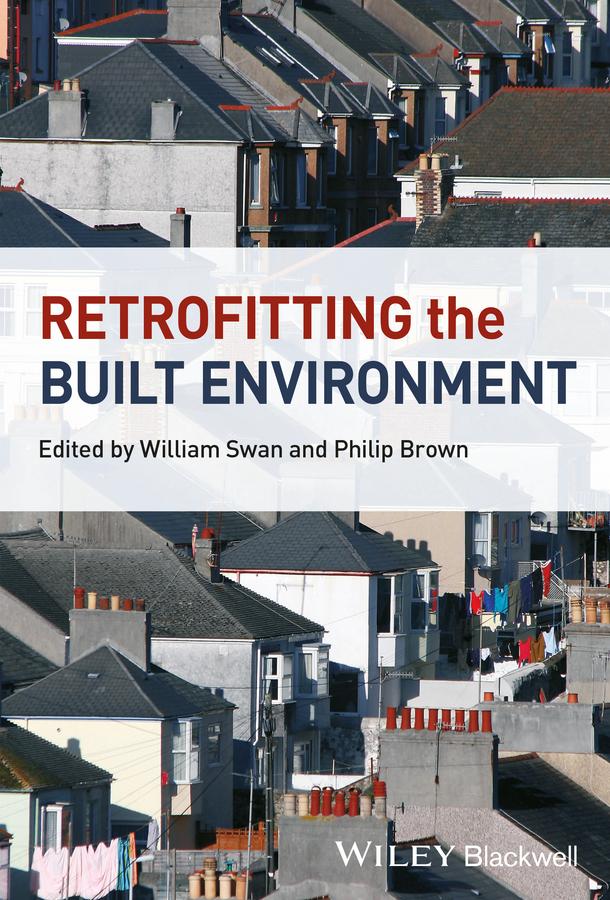
The physical upgrading of the existing domestic and industrial building stock to improve energy performance is an essential part of a transition to a low carbon society. Successfully retrofitting buildings to improve energy performance is not simply a technological challenge, it is a complex socio-technical problem that needs to be addressed in a co-ordinated way, utilising skills and knowledge from a range of industrial and academic backgrounds.
Within both the academic and practitioner communities there is a growing understanding of the scale and nature of the problem, one which encompasses issues such as policy and regulation, people and behaviour, supply chain and process, as well as issues of technology. Retrofitting the Built Environment discusses the factors that impact on the retrofit problem, providing a clear analysis of the main issues that the academic and industrial communities must engage with to resolve the problems of domestic energy and retrofit. The book is divided into four broad sections:
Academic and industrial researchers, policy makers and industry practitioners will find each section covers a mix of policy, technical and social science issues, presented by both academic and industry authors, giving a wide and detailed perspective of the issue.
The Editors
Will Swan is a Senior Lecturer in Buildings Retrofit in the School of the Built Environment at the University of Salford. He leads a number of projects in the field of sustainable retrofit, covering a number of topics including monitoring, behaviour and retrofit project delivery, as part of Salford’s Applied Energy and Buildings Research Group. He sits on the Greater Manchester Buildings Group and also is Chair of the Retrofit Innovation Group.
Philip Brown is Director and Senior Research Fellow at the Salford Housing & Urban Studies Unit (SHUSU) at the University of Salford. He is the lead academic on end-use energy demand within the Applied Energy and Buildings Research Group, and sits on Greater Manchester’s Low Carbon Economic Area group for Customer Engagement.
Antes de Memmo, mis apuntes estaban dispersos en PDFs. Ahora, un espacio de trabajo lo reúne todo y veo exactamente lo que me queda por estudiar.
Los resúmenes de Memmo son oro antes de los exámenes. No tengo que releer 800 páginas dos semanas antes, solo las partes importantes.
El chat de IA me ha salvado la noche antes de un examen más de una vez. Sigo preguntando hasta que lo entiendo, sin esperar a que un grupo de estudio responda.
Los cuestionarios aciertan exactamente lo que necesito saber. Memmo registra dónde me atasco, así que solo practico lo que vale la pena.
Las flashcards con repetición espaciada son magia. Memmo sabe cuándo estoy a punto de olvidar algo y me lo recuerda.
Los pódcasts de IA son mis favoritos. Los escucho de camino a la universidad y obtengo un resumen sin tener que sentarme frente a un ordenador.

Handbok i kvalitativa metoder
281 kr

Hållbar utveckling: en introduktion för ingenjörer och andra problemlösare
334 kr

Brymans Samhällsvetenskapliga metoder
390 kr

Projektledning
491 kr

Den orättvisa hälsan: om socioekonomiska skillnader i hälsa och livslängd
326 kr

Organizational Leadership
429 kr

Vetenskapsteori för nybörjare
196 kr

På väg mot läraryrket
172 kr

Det sociala livet i skolan: Socialpsykologiska perspektiv
253 kr

Betygsättningens didaktik
151 kr

Personality
402 kr

Studying Leadership
404 kr

Managing Innovation
477 kr

Introduktion till samhällsvetenskaplig metod
347 kr

The Psychology of Sex and Gender
698 kr

Introduction to Leadership
605 kr

Evidens och kunskap för socialt arbete
207 kr