
2026-04-16
How to reference correctly: Harvard, APA and Oxford explained
A clear guide to the three most common referencing styles — Harvard, APA and Oxford. Learn how each works, when to use them, and how to avoid common mistakes.
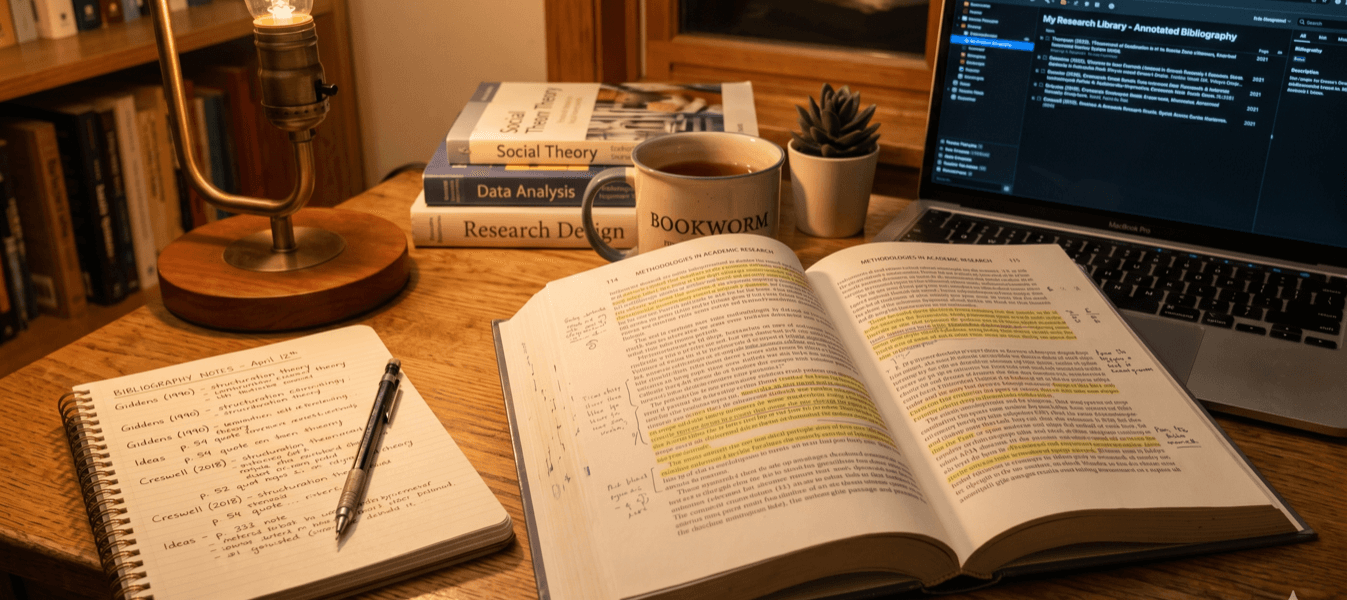
Referencing is one of those things that trips up almost every university student at some point. You know you need to cite your sources, but the rules feel arbitrary, the formats are confusing, and getting it wrong can cost you marks — or worse. This guide explains the three most common referencing styles in plain language, shows you how each one works, and helps you avoid the mistakes that catch most students out.
Why referencing matters
Referencing isn't just a bureaucratic requirement. It serves three important purposes:
- Credit: It gives recognition to the original author — using someone else's ideas without attribution is plagiarism
- Verification: It allows your reader to check your claims by looking up the sources themselves
- Credibility: It shows the examiner that your work is grounded in real research, not just your own opinion
Getting your references right signals academic integrity and strengthens your argument.
Harvard referencing
Harvard is the most common referencing style in Swedish and UK universities. It uses an author-date system: you cite in the text with the author's surname and year in brackets, for example (Smith, 2023). The full reference goes in a reference list at the end, sorted alphabetically.
Example book reference: Smith, J. (2023) Title of the Book. 2nd edn. London: Publisher Name.
Harvard is relatively straightforward and flexible, which is why it's so widely used.
APA referencing
APA (American Psychological Association) is common in social sciences, psychology, education and nursing. It's very similar to Harvard — also author-date — but with stricter formatting rules. In-text citations look almost identical: (Smith, 2023).
Example book reference: Smith, J. (2023). Title of the book (2nd ed.). Publisher Name.
Note the differences from Harvard: APA italicises the title, uses a full stop after the year, and doesn't include the place of publication. These details matter — many students lose marks for mixing up Harvard and APA formatting.
Oxford referencing
Oxford (also called footnote referencing) works differently. Instead of putting the author and year in the text, you place a superscript number at the point of citation, and the full reference appears in a footnote at the bottom of the page. A bibliography at the end collects all sources.
Example footnote: J. Smith, Title of the Book, 2nd edn (London: Publisher Name, 2023), p. 45.
Oxford is common in law, history and humanities. It keeps the main text cleaner but requires more space on the page.
Which style should you use?
Your course or department will tell you which style to use — don't choose one yourself unless explicitly told to. Mixing styles in a single paper is one of the most common mistakes and it always looks sloppy. When in doubt, check your course guide or ask your supervisor.
Common referencing mistakes to avoid
- Inconsistent formatting between references
- Missing page numbers for direct quotes
- Incomplete reference lists
- Citing sources you haven't actually read (secondary referencing done incorrectly)
- Forgetting to include all in-text citations in the reference list, or vice versa
The golden rule: Every source cited in the text must appear in the reference list, and every entry in the reference list must be cited in the text.
Referencing made easier with Memmo
Memmo's e-reader generates ready-made references in Harvard, APA, Oxford, Vancouver and IEEE formats directly from your digital textbooks. When you're reading a chapter and want to cite it, you can copy a correctly formatted reference with one click — no manual formatting needed. It removes the most tedious part of academic writing and helps you get your references right every time.
Good luck with your studies!
Tried Memmo yet?
Memmo is your all-in-one study platform that helps students study smarter and get better grades. Try it for free today.