
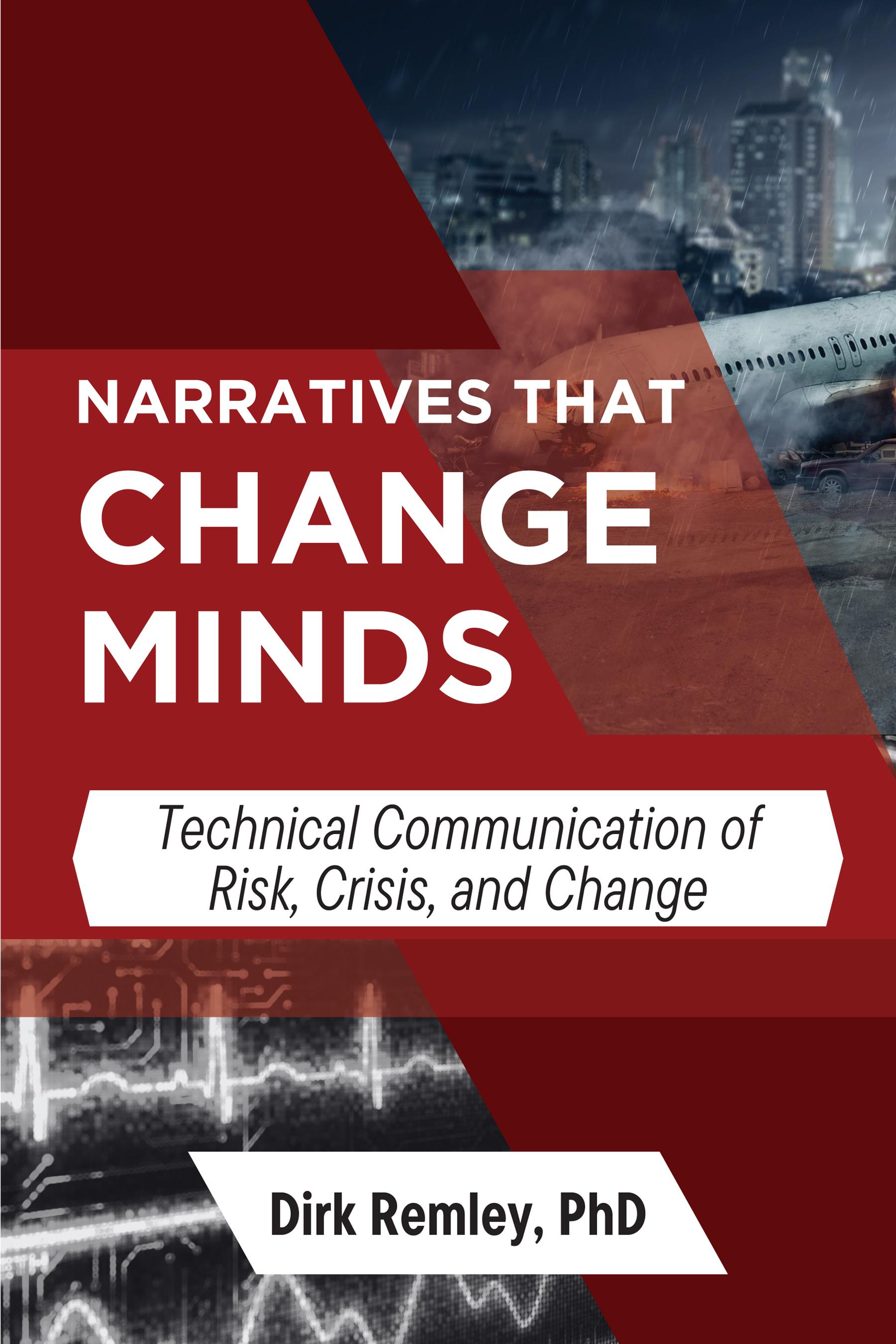
Among the most challenging tasks any leader faces are communicating to various audiences how to change behaviors to limit risks, address crises, and change the way an organization operates—especially as they relate to scientific and technical issues. Executives, managers, and public officials deal with multiple audiences—employees, boards, and the public–who may have competing perspectives or lack an understanding of technical or scientific issues affecting them.
Narratives that Change Minds provides a framework for analysis and case studies of leadership successes and failures relative to communicating risk, crisis, and organizational change within technical contexts. A unique feature of this book is its consideration of neuroscience elements that affect how audiences respond to messages, including narratives. The goal is to help managers and executives understand how to incorporate narratives to improve the likelihood of facilitating needed change.
Drawing on scholarship about how the brain processes information from different stimuli and experiences, we will explore the whys and hows of effects multiple forms of communication that integrate narratives have on individuals. A practical model is included to provide guidance to executives in effectively applying principles drawn from leadership resources. This unique approach makes the book an excellent addition to reading lists of leadership development and communication programs.
Executives and those in such development programs will benefit from this book, especially with its focus on crisis and change communication. Whether they have technical background in their field or come from a managerial background, readers will come to understand how they can help audiences accept the need for change related to risk, crisis, or organizational/policy issues and act on that change.
Pay easily by card, Klarna, Apple Pay or Google Pay. Not happy? You always have a 14-day money-back guarantee. Read more in our terms. If you have any questions, email us at hello@memmo.org.
Memmo makes studying easier – wherever you are in the world. We bring your course books and smart study tools together in one place: summaries, quizzes, podcasts and flashcards. Plus Ted, your study buddy who answers anything you wonder. Over 75,000 students already study here – built to help you learn faster and stress less.