
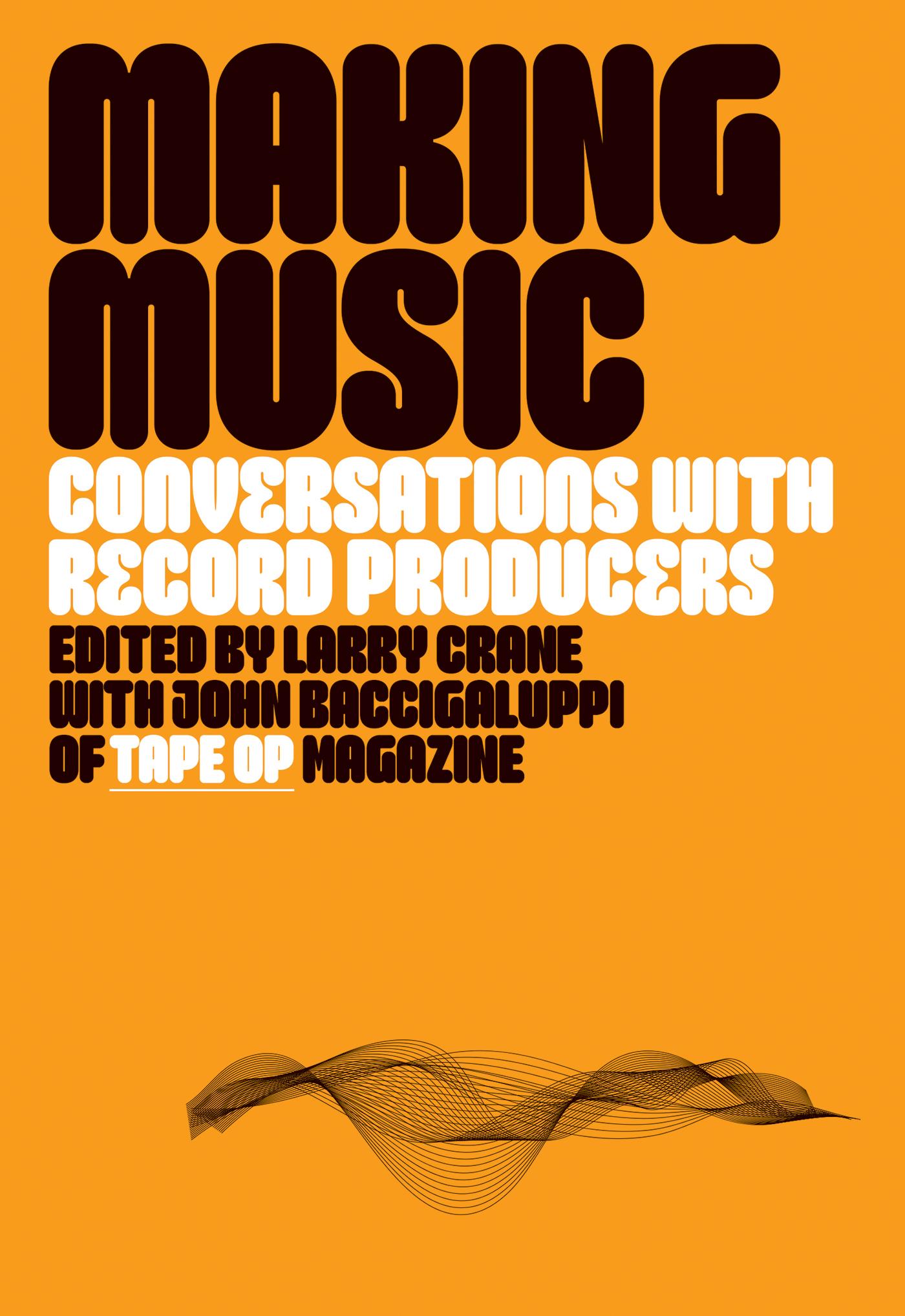
Groundbreaking conversations with the music producers behind the most successful recording artists on the planet, collected from Tape Op magazine
THIS BOOK IS A COLLECTION OF INTERVIEWS with people who have made records with some of the biggest names in music. Along the way, they might be engineering the recordings, picking the songs, guiding the singers, picking the best takes of songs, balancing egos, fixing the lyrics, booking the studio time, buying lunch, playing instruments, pushing artists further, writing or cowriting the songs, selecting the musicians to use, overseeing the mixes, and many other tasks. Making records is always a combination of many skills and goals, and the producer needs to have what it takes to make the session productive and the music compelling.
In this book, interviewees include people who have worked with the Beatles, the Rolling Stones, Public Enemy, Taylor Swift, Bob Dylan, P!nk, U2, Emmylou Harris, Willie Nelson, Wu-Tang Clan, David Bowie, T.Rex, Johnny Cash, Aretha Franklin, Amy Winehouse, Paul McCartney, Dolly Parton, Duran Duran, the Replacements, Christina Aguilera, Alicia Keys, Kendrick Lamar, Tom Petty, and Sabrina Carpenter, plus more. And that’s just the beginning of the credits these producers—Brian Eno, Finneas, Glyn Johns, Hank Shocklee, Jack Antonoff, Joe Boyd, Jon Brion, Lee “Scratch” Perry, Linda Perry, Mark Ronson, RZA, Sasami, Steve Lillywhite, Susan Rogers, T Bone Burnett, and many others—collectively hold.
All of these interviews come from the pages of Tape Op magazine, founded in 1996 by editor Larry Crane. Over the last thirty years, along with publisher John Baccigaluppi, Tape Op has become the world’s deepest archive of conversations about the art and science of recording music, and is still an active, print-based magazine with the highest circulation of any recording magazine in the world.
Pay easily by card, Klarna, Apple Pay or Google Pay. Not happy? You always have a 14-day money-back guarantee. Read more in our terms. If you have any questions, email us at hello@memmo.org.
Memmo makes studying easier – wherever you are in the world. We bring your course books and smart study tools together in one place: summaries, quizzes, podcasts and flashcards. Plus Ted, your study buddy who answers anything you wonder. Over 50,000 students already study here – built to help you learn faster and stress less.