
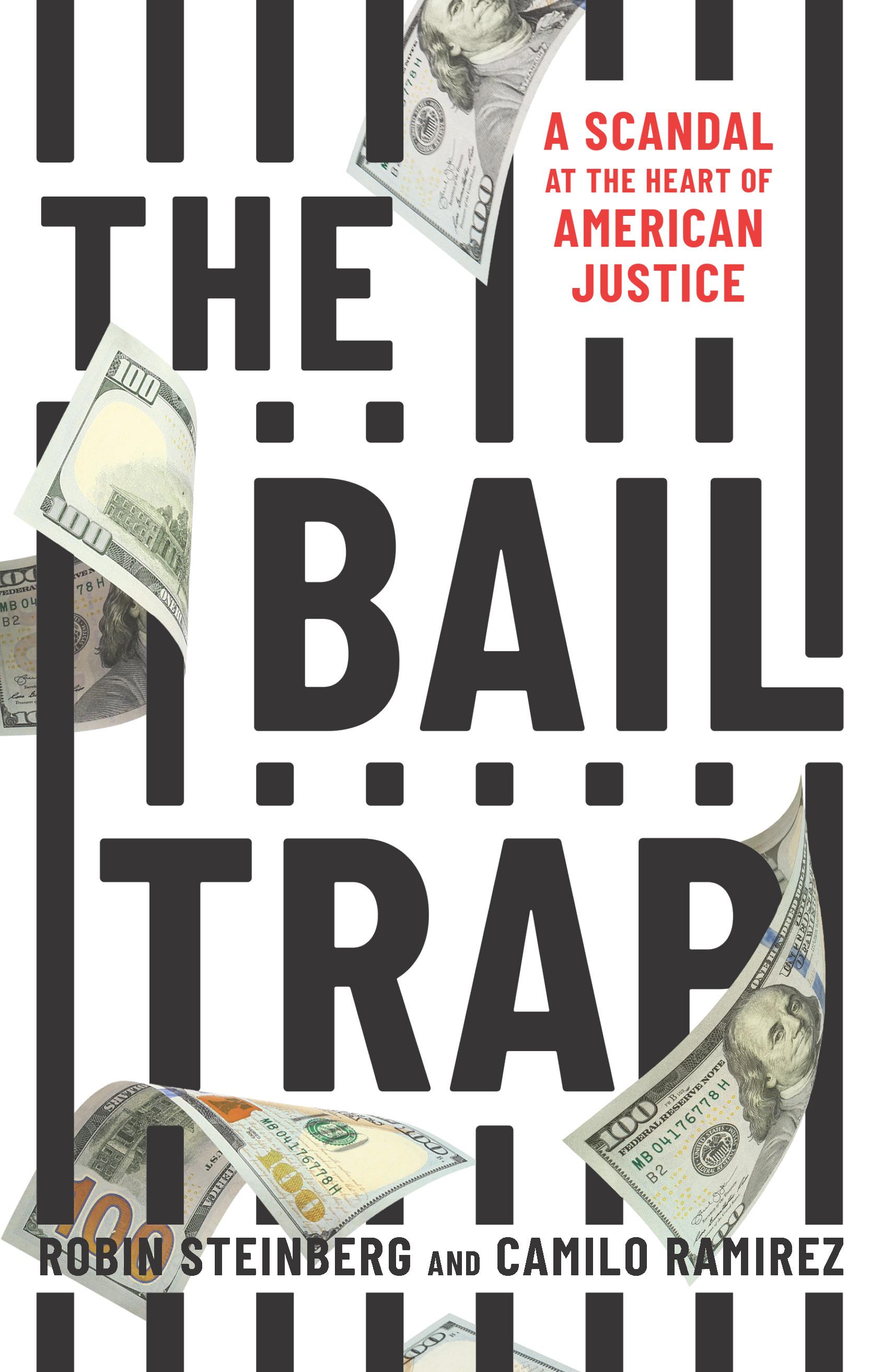
From the renowned founder of The Bail Project, an eye-opening book about why we allow money to play any role in the administration of justice
“When bail is set unreasonably high, people are behind bars only because they are poor. . . . They don’t have money to get out of jail and they certainly don’t have money to flee anywhere.” —Loretta Lynch, former United States Attorney General
Every night in America, nearly half a million people go to sleep in jail cells without having been convicted of a crime. They are there for one reason: they cannot afford to pay the price of their freedom. That price is bail. For those with money, freedom is immediate. For those without it, weeks, months, or even years in jail can follow.
Cash bail has created two systems of justice: one for people with wealth and one for people without. It undermines the presumption of innocence, drives overcrowding in jails, fuels racial disparities, and exerts enormous pressure on people to plead guilty, whether they committed a crime or not, simply so that they can go home. Few parts of our legal system are so deeply entrenched, so widely accepted, and so profoundly broken.
In The Bail Trap, Robin Steinberg, founder of the Bail Project, and Camilo Ramirez bring readers inside the realities of pretrial detention through the true stories of people jailed by poverty. They explain how a centuries-old practice meant to ensure court appearance transformed into a powerful, profit-driven engine of detention, how cash bail falls hardest on vulnerable communities, and some of the steps we can take to create a fairer and safer pretrial system, reducing unnecessary incarceration and ending the use of money as a stand-in for public safety.
An eye-opening, urgent, and accessible examination of a little-understood phenomenon, The Bail Trap invites readers not just to understand how we got here, but to imagine and help build a justice system where freedom and the presumption of innocence are not reserved for those who can afford them.
Pay easily by card, Klarna, Apple Pay or Google Pay. Not happy? You always have a 14-day money-back guarantee. Read more in our terms. If you have any questions, email us at hello@memmo.org.
Memmo makes studying easier – wherever you are in the world. We bring your course books and smart study tools together in one place: summaries, quizzes, podcasts and flashcards. Plus Ted, your study buddy who answers anything you wonder. Over 50,000 students already study here – built to help you learn faster and stress less.