
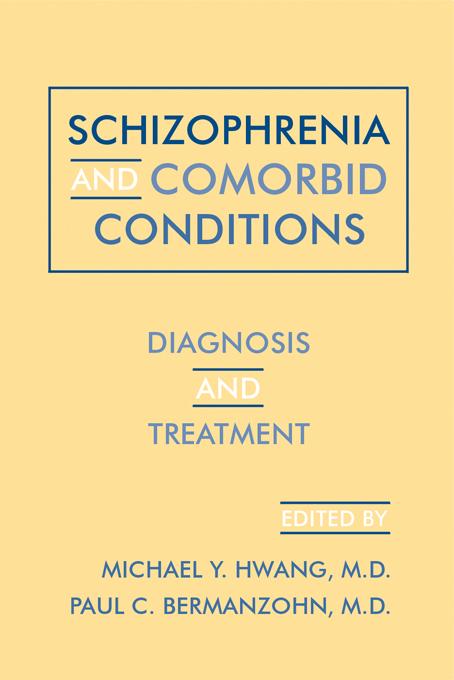
Schizophrenia is one of the most difficult diagnoses to make. And, once made, it was once among the most limited, offering few options in the management of care for schizophrenia patients with comorbid conditions. It was not until 1994, with the publication of the Diagnostic and Statistical Manual of Mental Disorders, Fourth Edition (DSM-IV), that diagnostic guidelines first permitted additional diagnoses on Axis I, such as anxiety disorder, in the presence of schizophrenia. Yet remnants of the old hierarchical diagnostic system remain, diverting attention from the pressing issue of managing what appear to be common -- and treatable -- disabling conditions, such as panic disorder and obsessive-compulsive disorder (OCD), that often occur with schizophrenia.
Schizophrenia and Comorbid Conditions: Diagnosis and Treatment lays diagnostic oversimplification of schizophrenia to rest once and for all. All schizophrenia patients are not the same. The editors of this groundbreaking work criticize the reductionist view of schizophrenia as a single unitary disorder -- a view that has led many psychiatrists and mental health care professionals to overlook potentially important syndromes.
Asserting that these patients should be managed on the basis of their individual clinical presentations, not just their categorical diagnosis, recognized experts in their specialties offer a fascinating array of topics. Chapter 1 goes straight to the heart of this assertion, beginning with epidemiology and showing how hierarchical diagnostic concepts keep associated psychiatric syndromes (APS) hidden from clinical and scientific attention. Also presented are the findings of the few treatment studies of APS in schizophrenia.
Additional chapters feature the following topics: Chapter 2 takes an indepth look at the extensive literature on depression in patients with schizophrenia, including a discussion on differential diagnosis and treatment approaches. Chapters 3 and 4 detail obsessive-compulsive disorder and panic symptoms, using case vignettes to illustrate the clinical management of schizophrenia with these two conditions. Chapters 5 and 6 discuss the recognition and management of medical and surgical illness and the management of pregnancy in patients with schizophrenia, respectively. Chapter 7 reviews cognitive impairment in older patients with schizophrenia, including etiology, assessment, and treatment approaches. Chapter 8 presents old and new approaches to the treatment of aggressive behaviors and violence in patients with schizophrenia. Chapter 9 extensively reviews substance abuse in schizophrenia, with suggested practical approaches to assessing and treating the "dual-diagnosis" schizophrenia patient.
Intended to help practitioners enhance their recognition of and improve treatment for the large -- and often neglected and clinically challenging -- group of schizophrenia patients with comorbid conditions, this unique collection combines a wealth of clinical and research experience of enduring value to practitioners and researchers alike.
Pay easily by card, Klarna, Apple Pay or Google Pay. Not happy? You always have a 14-day money-back guarantee. Read more in our terms. If you have any questions, email us at hello@memmo.org.
Memmo makes studying easier – wherever you are in the world. We bring your course books and smart study tools together in one place: summaries, quizzes, podcasts and flashcards. Plus Ted, your study buddy who answers anything you wonder. Over 75,000 students already study here – built to help you learn faster and stress less.