
How serialized crime shows became an American obsession
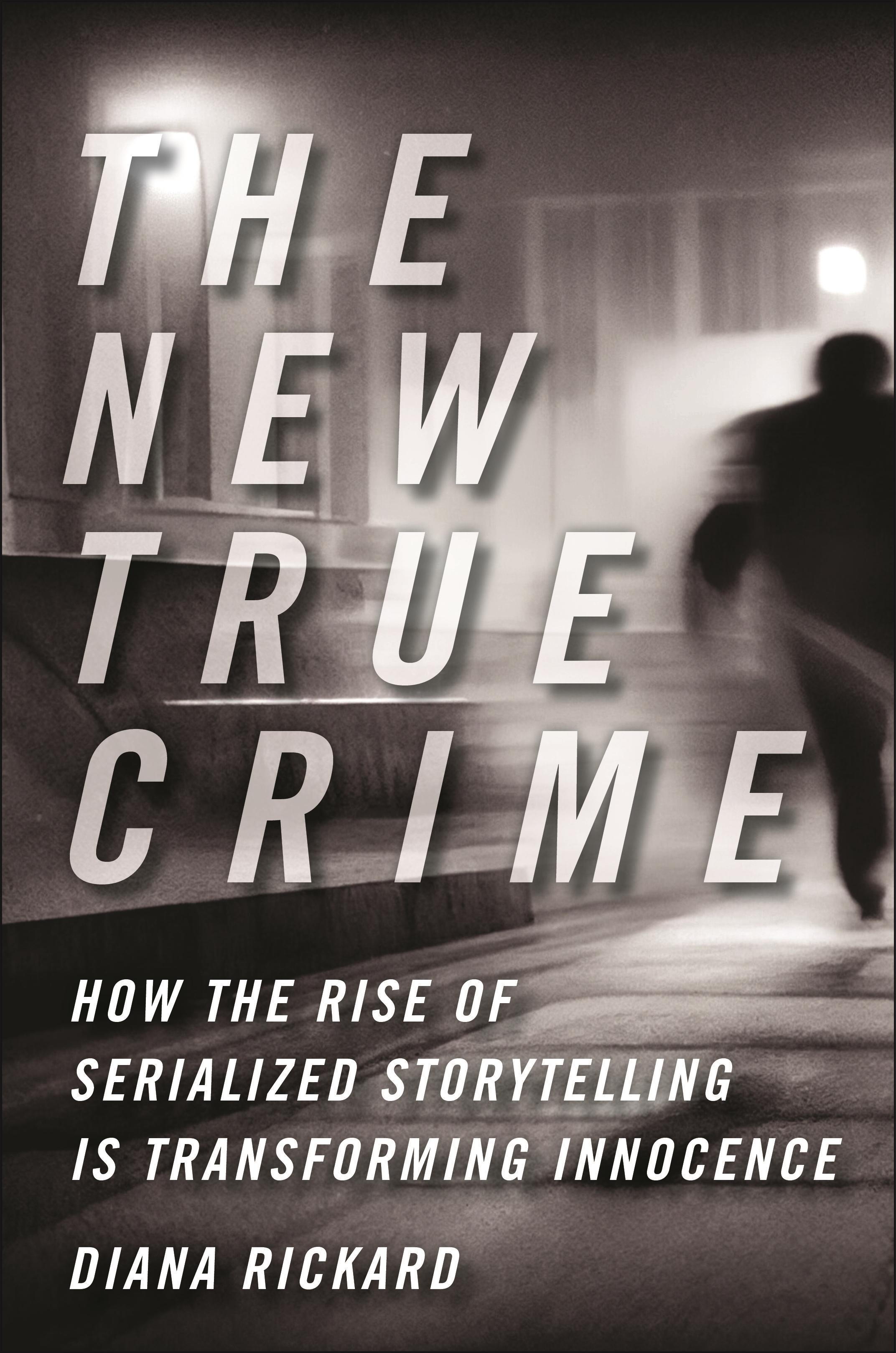
TV shows and podcasts like Making a Murderer, Serial, and Atlanta Monster have taken the cultural zeitgeist by storm, and contributed to the release of wrongly imprisoned people—such as Adnan Syed. The popularity of these long-form true crime docuseries has sparked greater attention to issues of inequality, power, social class, and structural racism. More and more, the American public is asking, Who is and is not deserving of punishment, and who is and is not protected by the law? In The New True Crime, Diana Rickard argues that these new true crime series deserve our attention for what they reveal about our societal understanding of crime and punishment, and for the new light they shine on the inequalities of the criminal justice system. Questioning the finality of verdicts, framing facts as in the eye of the beholder—these new series unmoor our faith in what is knowable, even as, Rickard critically notes, they often blur the lines between “fact” and “fiction.”
With a focus on some of the most popular true crime podcasts and streaming series of the last decade, Rickard provides an in-depth analysis of the ways in which this new media—which allows for binge-listening or watching—makes crime into a public spectacle and conveys ideological messages about punishment to its audience. Entertainment values have always been entwined with crime news reporting. Newsworthy stories, Rickard reminds us, need to involve sex, violence, or a famous person, and contain events that can be framed in terms of individualism and conservative ideologies about crime. Even as these old tropes of innocent victims and deviant bad guys still dominate these docuseries, Rickard also unpacks how the new true crime has been influenced by the innocence movement, a diverse group of organizers and activists, be they journalists, lawyers, formerly incarcerated people, or family members, who now have a place in mainstream consciousness as DNA evidence exonerates the wrongly convicted.
The New True Crime questions the knowability of truth and probes our anxieties about the “real” nature of true crime media. For fans of true crime shows and anyone concerned about justice in America, this book will prove to be essential reading.
Pay easily by card, Klarna, Apple Pay or Google Pay. Not happy? You always have a 14-day money-back guarantee. Read more in our terms. If you have any questions, email us at hello@memmo.org.
Memmo makes studying easier – wherever you are in the world. We bring your course books and smart study tools together in one place: summaries, quizzes, podcasts and flashcards. Plus Ted, your study buddy who answers anything you wonder. Over 50,000 students already study here – built to help you learn faster and stress less.