
Before Memmo my notes were scattered across PDFs. Now a workspace pulls everything into one place — I see exactly what's still left to study.
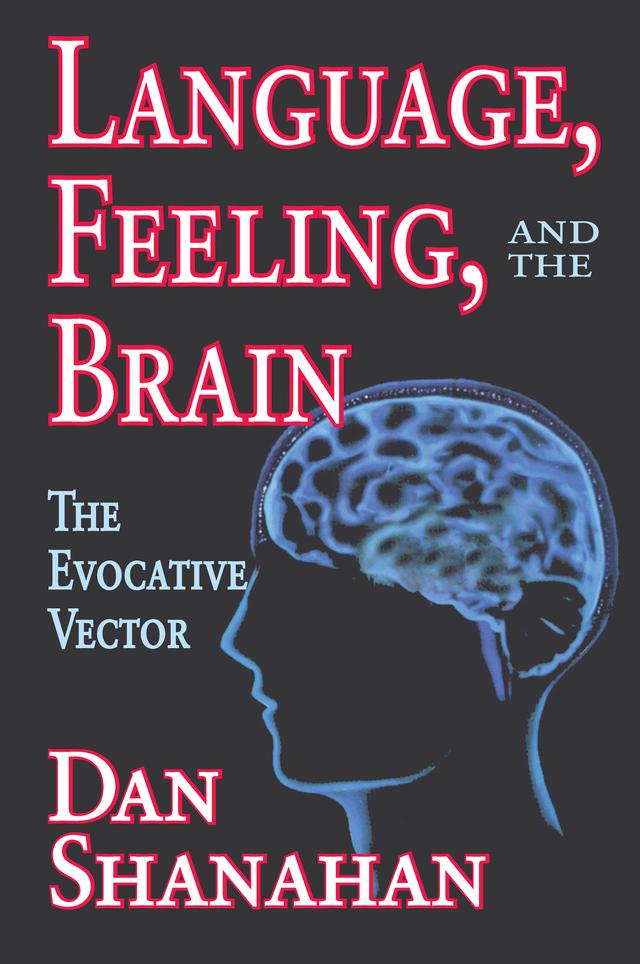
Linguistic theory since the Cognitive Revolution has fol- lowed one of the premises of that revolution by largely sidelining the issue of emotions and concentrating on those aspects of language that are more strictly cognitive. However, during the last ten years research in cognitive science, especially in neuropsychology, has begun to fill in the gaps left by the exclusion of emotions from cognitive research. The work of those like Oatley, Zajonc, Damasio, and LeDoux, to name a few, has demonstrated both that it is possible to construct models of how emotions play into the workings of the psyche and that they are necessary in giving us a balanced view of the human mind.
Language, Feeling, and the Brain attempts to apply the fruits of this new research in emotion to our understanding of language itself. Building on Karl Pribram's integrated model of emotions and motivations, the book takes an eclectic approach to explaining how emotions contribute to the nature of language, drawing on research done in neuropsychology, philosophy, cognitive linguistics, anthropology, and related fields. Its aim is to construct a propositional model for how the emotions may have contributed to the emergence of symbolic formation, most especially in the forms of gesture and speech, and how identifying that emotional influence sheds new light on everything we have had to say about language itself, from lexis and grammar to culture and literature.
Before Memmo my notes were scattered across PDFs. Now a workspace pulls everything into one place — I see exactly what's still left to study.
Memmo's summaries are gold before exams. I don't have to re-read 800 pages two weeks before — just the important parts.
The AI chat has saved me the night before an exam more than once. I just keep asking until I get it — no waiting on a study group to reply.
The quizzes hit exactly what I need to know. Memmo tracks what I get stuck on — so I only practice what's worth it.
Flashcards with spaced repetition are magic. Memmo knows when I'm about to forget something and brings it back.
The AI podcasts are my favorite. I listen on my way to school and get a recap without sitting at a computer.
Handbok i kvalitativa metoder
281 kr
Hållbar utveckling: en introduktion för ingenjörer och andra problemlösare
334 kr
Brymans Samhällsvetenskapliga metoder
390 kr
Projektledning
491 kr
Den orättvisa hälsan: om socioekonomiska skillnader i hälsa och livslängd
326 kr
Vetenskapsteori för nybörjare
196 kr
Organizational Leadership
429 kr
På väg mot läraryrket
172 kr
Det sociala livet i skolan: Socialpsykologiska perspektiv
253 kr
Betygsättningens didaktik
151 kr
Personality
402 kr
Studying Leadership
404 kr
Managing Innovation
477 kr
Introduktion till samhällsvetenskaplig metod
347 kr
The Psychology of Sex and Gender
698 kr
Evidens och kunskap för socialt arbete
207 kr
Introduction to Leadership
605 kr