
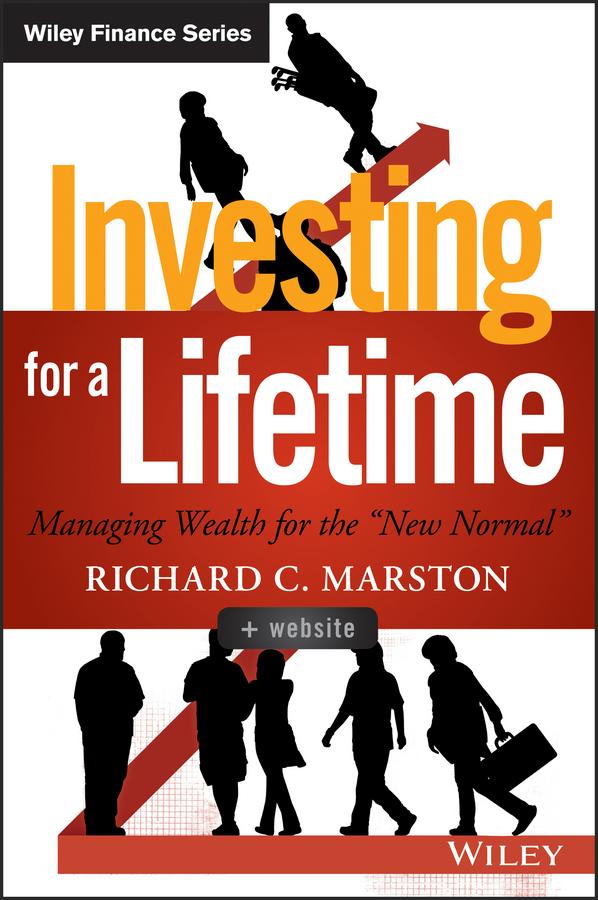
Investing for a Lifetime is designed to make saving and investing understandable to the investor. Wharton Professor Richard C. Marston, 2014 recipient of the Investment Management Consultants Association’s prestigious Matthew R. McArthur Award, guides an investor through the main investment decisions throughout a lifetime.
Investing for a Lifetime shows:
- how younger investors can set savings goals
- how both younger and older investors can choose investment portfolios to achieve these goals
- how investors can sustain spending once reaching retirement.
Younger and older investors alike should understand savings goals that will provide enough income to sustain spending in retirement. They should devise rates of saving that allow them to reach their goals by the time of retirement. Though retirement is often the main goal of investing, it’s not the only one. Marston discusses how funding a child’s education or saving for a down payment for a home affects overall saving.
Sensible investing is also necessary for savings goals to be realized. Investing need not be complicated, but Marston explains that a diversified portfolio should include a mix of different types of U.S. stocks, foreign stocks, real estate as well as bonds. He describes each of these asset classes and shows how they fit in an investor’s portfolio. He shows how investors can monitor the performance of their portfolios by establishing benchmarks for each asset class to judge how well their investments are doing.
He focuses particular attention on those investors nearing retirement. In today’s low interest rate environment, he discusses whether it is possible to fund retirement from interest and dividends alone. He shows how savings combined with Social Security can fund retirement spending. And he asks how the “New Normal” of lower returns might force investors to save more than in past decades, and to spend less in retirement than in the past.
Investing for a Lifetime is for investors who want to understand more about the savings and investment process, particularly those who worry about whether their retirement savings will last a lifetime.