
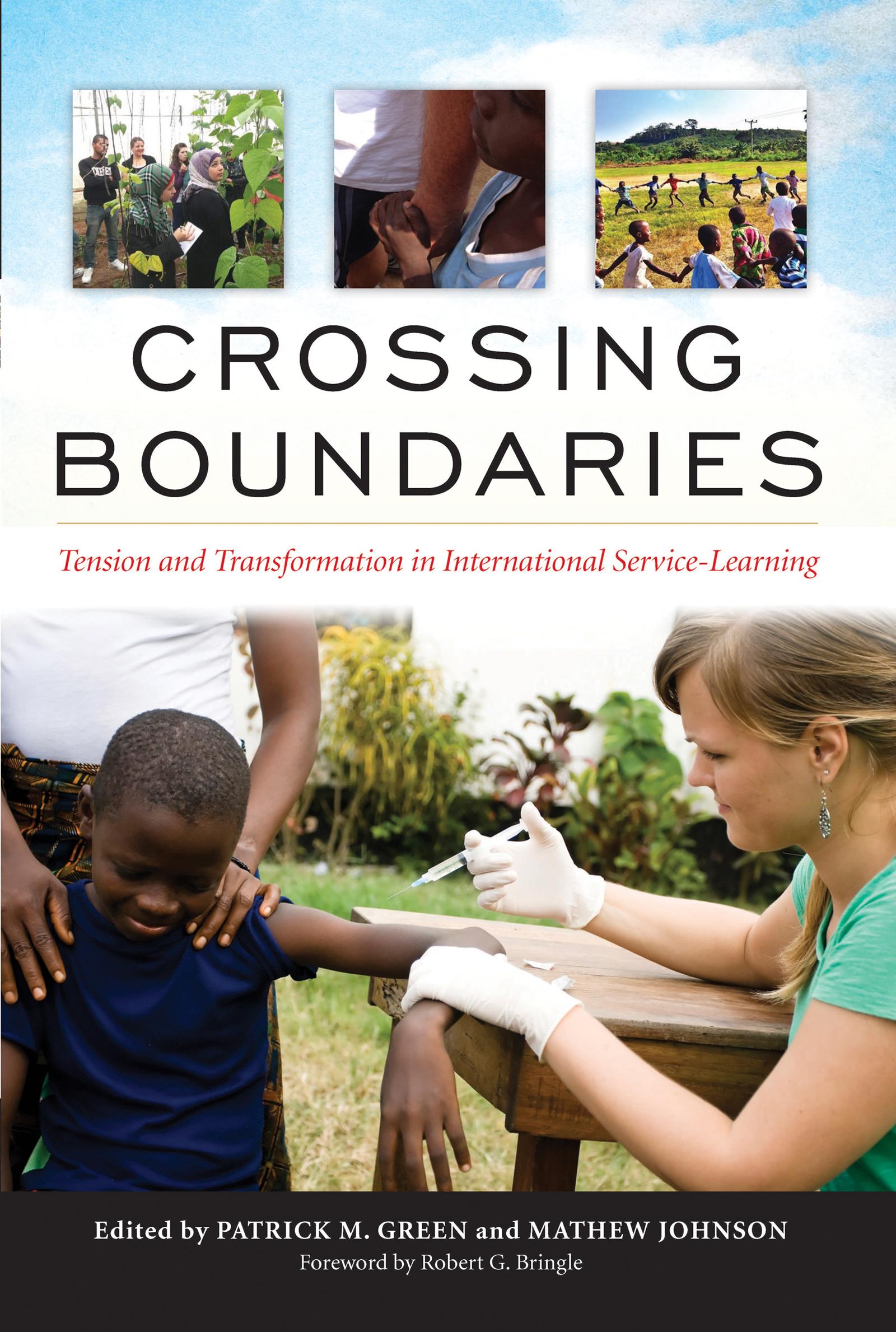
Are there better ways to address community challenges than expending funds on international service-learning?In attempting to wed learning and service, are we are exploiting the “other” for new, or recycled, aims?As these questions attest, of all types of service-learning, international service-learning (ISL) most starkly illuminates the tensions between the liberatory and oppressive potentials of practice.This book explores the ramifications of realizing a new age of service-learning that pushes beyond single episodic course-based projects to rebalance student learning and community outcome priorities, and provides insight into what it looks like in its execution. In describing eleven international programs designed to achieve reciprocal, sustained relationships in which learning is co-created, the contributors reveal their struggles to change the balance of power relationships and move to a more transformative practice. Common themes are the developmental nature of this work; the recognition that it takes multiple attempts, often over years, for an individual or an institution to get this work even nearly right; that resolving the challenges of unequal resources, power, and privilege can never be completely erased; and that attention has to be given to the micro-level details.What emerge are seven guiding principles that define the nature of partnerships in liberatory practice, and that apply to all forms of service learning. They must be: strategic--linked to the mission and expertise of the institution; long-term; multifaceted--allowing both partners to play a multiplicity of roles; developmental in building capacities; contextualized in historic and cultural understanding; fully reciprocal; and create the potential for community-driven change.In addressing the problematic nature of ISL, and of service-learning in general, this book interrogates whether its experiences create the necessary conditions for the formation of individual values, convictions, and action; and whether their pivotal teaching and learning moments are indeed replicable and transferable across individual, institutional and even cultural contexts. Its conclusions and insights will be of intense interest to administrators and practitioners alike.