
Before Memmo my notes were scattered across PDFs. Now a workspace pulls everything into one place — I see exactly what's still left to study.
Big cities so often appear to have terrible problems, and Americans have a long history of convincing themselves that urban areas are in crises and that the federal government must do something to improve matters.
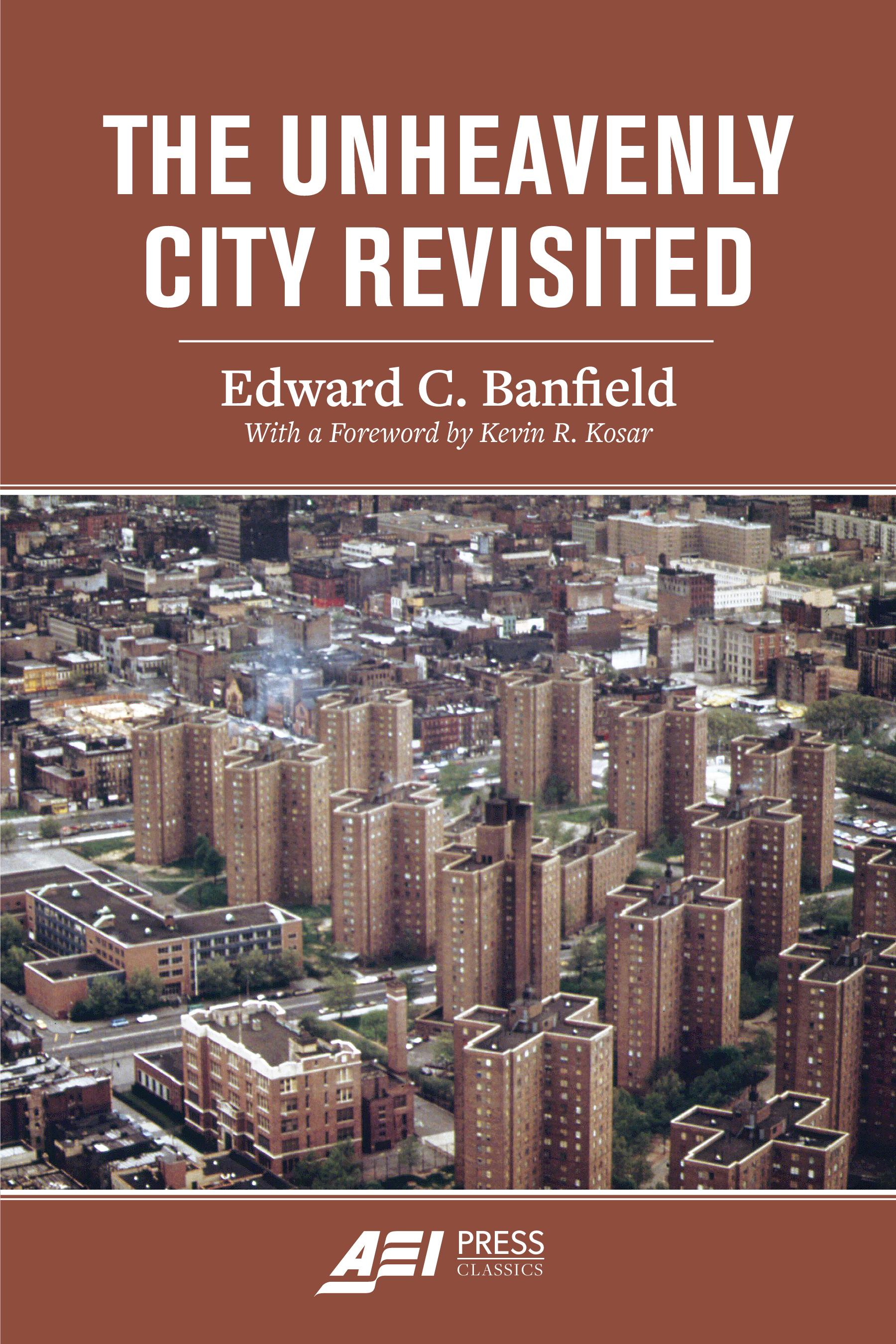
Edward C. Banfield argues the conventional wisdom is incorrect. In The Unheavenly City Revisited, he presents rigorous analyses showing that “by any conceivable measure of material welfare the present generation of urban Americans is, on the whole, better off than any other large group of people has ever been anywhere.” He furthermore argues that there is little evidence that the billions of dollars of government spending is improving matters. Indeed, well-intended government actions have proved harmful in some instances.
The Unheavenly City Revisited cautions policymakers that their biases may affect their perceptions of America’s metropolitan areas. Improving the lives of people in cities through government action is an exceedingly complex enterprise. Government officials and citizens alike must be realists about what government action can achieve.
Before Memmo my notes were scattered across PDFs. Now a workspace pulls everything into one place — I see exactly what's still left to study.
Memmo's summaries are gold before exams. I don't have to re-read 800 pages two weeks before — just the important parts.
The AI chat has saved me the night before an exam more than once. I just keep asking until I get it — no waiting on a study group to reply.
The quizzes hit exactly what I need to know. Memmo tracks what I get stuck on — so I only practice what's worth it.
Flashcards with spaced repetition are magic. Memmo knows when I'm about to forget something and brings it back.
The AI podcasts are my favorite. I listen on my way to school and get a recap without sitting at a computer.