
Before Memmo my notes were scattered across PDFs. Now a workspace pulls everything into one place — I see exactly what's still left to study.
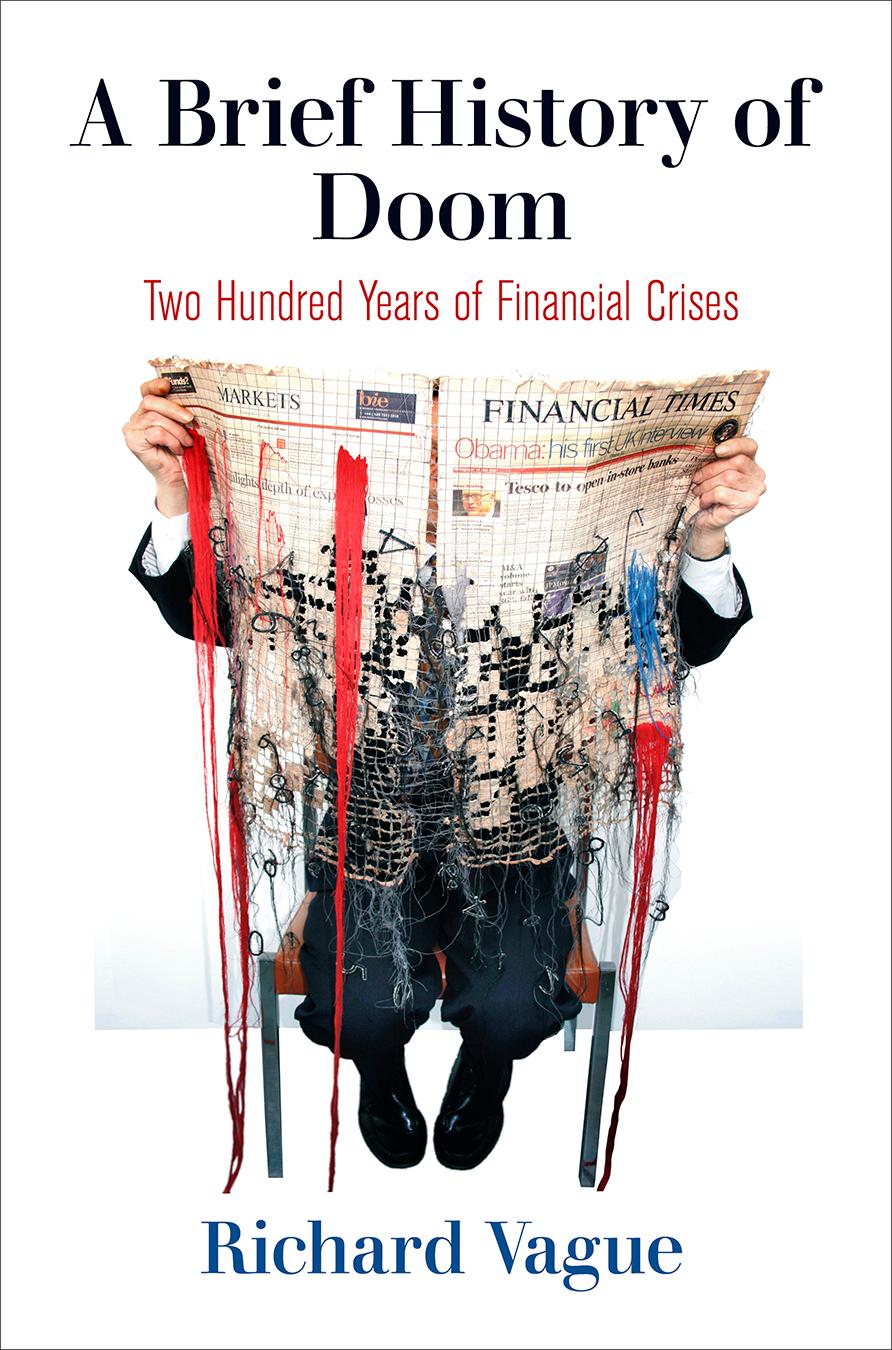
Financial crises happen time and again in post-industrial economies—and they are extraordinarily damaging. Building on insights gleaned from many years of work in the banking industry and drawing on a vast trove of data, Richard Vague argues that such crises follow a pattern that makes them both predictable and avoidable.
A Brief History of Doom examines a series of major crises over the past 200 years in the United States, Great Britain, Germany, France, Japan, and China—including the Great Depression and the economic meltdown of 2008. Vague demonstrates that the over-accumulation of private debt does a better job than any other variable of explaining and predicting financial crises. In a series of clear and gripping chapters, he shows that in each case the rapid growth of loans produced widespread overcapacity, which then led to the spread of bad loans and bank failures. This cycle, according to Vague, is the essence of financial crises and the script they invariably follow.
The story of financial crisis is fundamentally the story of private debt and runaway lending. Convinced that we have it within our power to break the cycle, Vague provides the tools to enable politicians, bankers, and private citizens to recognize and respond to the danger signs before it begins again.
Before Memmo my notes were scattered across PDFs. Now a workspace pulls everything into one place — I see exactly what's still left to study.
Memmo's summaries are gold before exams. I don't have to re-read 800 pages two weeks before — just the important parts.
The AI chat has saved me the night before an exam more than once. I just keep asking until I get it — no waiting on a study group to reply.
The quizzes hit exactly what I need to know. Memmo tracks what I get stuck on — so I only practice what's worth it.
Flashcards with spaced repetition are magic. Memmo knows when I'm about to forget something and brings it back.
The AI podcasts are my favorite. I listen on my way to school and get a recap without sitting at a computer.
Handbok i kvalitativa metoder
281 kr
Hållbar utveckling: en introduktion för ingenjörer och andra problemlösare
334 kr
Brymans Samhällsvetenskapliga metoder
390 kr
Projektledning
491 kr
Den orättvisa hälsan: om socioekonomiska skillnader i hälsa och livslängd
326 kr
Vetenskapsteori för nybörjare
196 kr
Organizational Leadership
429 kr
På väg mot läraryrket
172 kr
Det sociala livet i skolan: Socialpsykologiska perspektiv
253 kr
Betygsättningens didaktik
151 kr
Personality
402 kr
Studying Leadership
404 kr
Managing Innovation
477 kr
Introduktion till samhällsvetenskaplig metod
347 kr
The Psychology of Sex and Gender
698 kr
Evidens och kunskap för socialt arbete
207 kr
Introduction to Leadership
605 kr