
Before Memmo my notes were scattered across PDFs. Now a workspace pulls everything into one place — I see exactly what's still left to study.
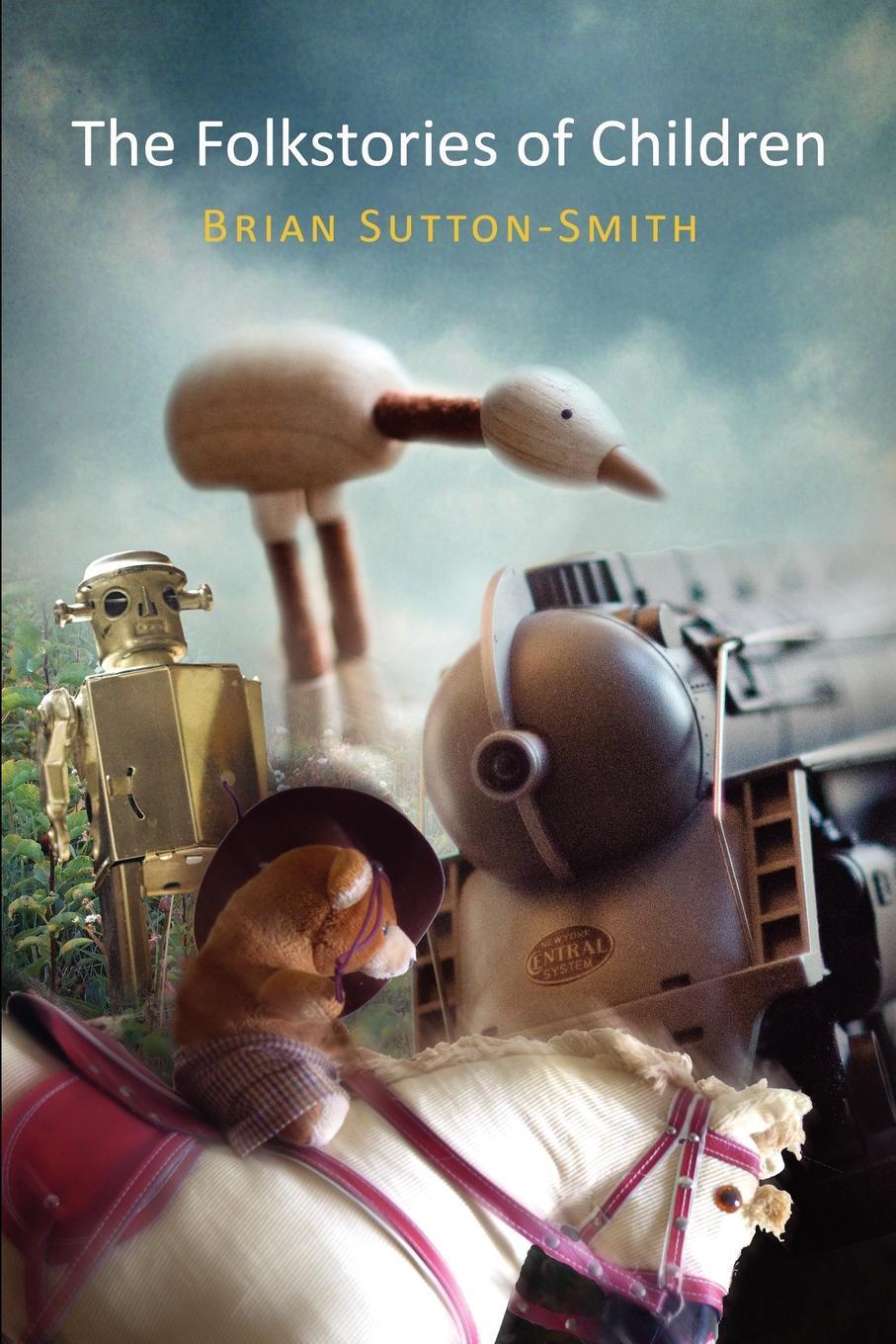
What prompts children to tell stories? What does the word "story" mean to a child at two or five years of age? The Folkstories of Children, first published in 1981, features nearly five hundred stories that were volunteered by fifty children between the ages of two and ten and transcribed word for word. The stories are organized chronologically by the age of the teller, revealing the progression of verbal competence and the gradual emergence of staging and plot organization. Many stories told by two-year-olds, for example, have only beginnings with no middle or end; the "narrative" is held together by rhyme or alliteration. After the age of three or four, the same children tell stories that feature a central character and a narrative arc. The stories also exhibit each child's growing awareness and management of his or her environment and life concerns. Some children see their stories as dialogues between teller and audience, others as monologues expressing concerns about fate and the forces of good and evil.
Brian Sutton-Smith discusses the possible origins of the stories themselves: folktales, parent and teacher reading, media, required writing of stories in school, dreams, and play. The notes to each chapter draw on this context as well as folktale analysis and child development theory to consider why and how the stories take their particular forms. The Folkstories of Children provides valuable evidence and insight into the ways children actively and inventively engage language as they grow.
Before Memmo my notes were scattered across PDFs. Now a workspace pulls everything into one place — I see exactly what's still left to study.
Memmo's summaries are gold before exams. I don't have to re-read 800 pages two weeks before — just the important parts.
The AI chat has saved me the night before an exam more than once. I just keep asking until I get it — no waiting on a study group to reply.
The quizzes hit exactly what I need to know. Memmo tracks what I get stuck on — so I only practice what's worth it.
Flashcards with spaced repetition are magic. Memmo knows when I'm about to forget something and brings it back.
The AI podcasts are my favorite. I listen on my way to school and get a recap without sitting at a computer.
Handbok i kvalitativa metoder
281 kr
Hållbar utveckling: en introduktion för ingenjörer och andra problemlösare
334 kr
Brymans Samhällsvetenskapliga metoder
390 kr
Projektledning
491 kr
Den orättvisa hälsan: om socioekonomiska skillnader i hälsa och livslängd
326 kr
Vetenskapsteori för nybörjare
196 kr
Organizational Leadership
429 kr
På väg mot läraryrket
172 kr
Det sociala livet i skolan: Socialpsykologiska perspektiv
253 kr
Betygsättningens didaktik
151 kr
Personality
402 kr
Studying Leadership
404 kr
Managing Innovation
477 kr
Introduktion till samhällsvetenskaplig metod
347 kr
The Psychology of Sex and Gender
698 kr
Evidens och kunskap för socialt arbete
207 kr
Introduction to Leadership
605 kr