
Vor Memmo waren meine Notizen überall in PDFs verstreut. Jetzt sammelt ein Arbeitsbereich alles an einem Ort – ich sehe genau, was noch zu lernen ist.
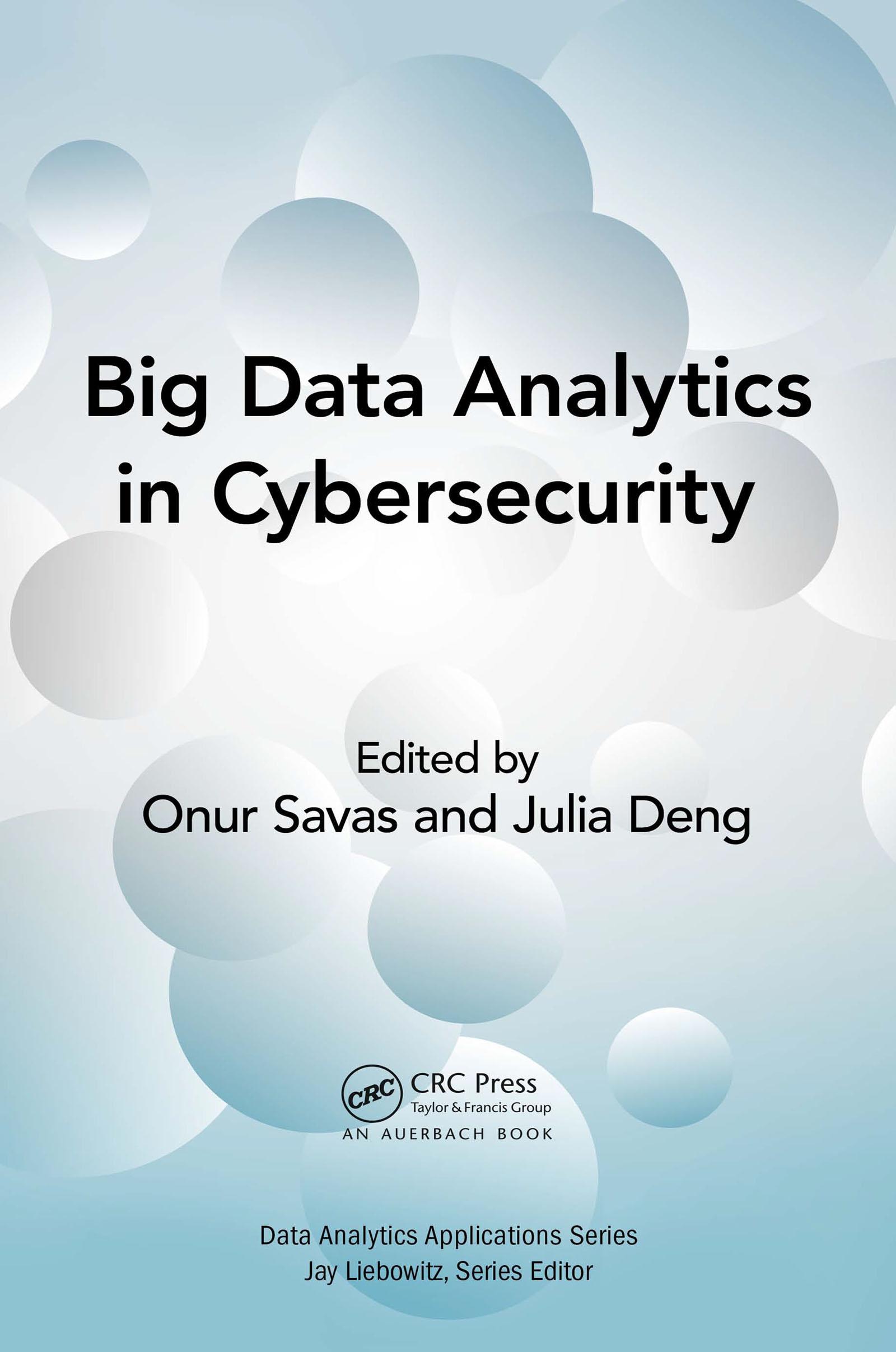
Big data is presenting challenges to cybersecurity. For an example, the Internet of Things (IoT) will reportedly soon generate a staggering 400 zettabytes (ZB) of data a year. Self-driving cars are predicted to churn out 4000 GB of data per hour of driving. Big data analytics, as an emerging analytical technology, offers the capability to collect, store, process, and visualize these vast amounts of data. Big Data Analytics in Cybersecurity examines security challenges surrounding big data and provides actionable insights that can be used to improve the current practices of network operators and administrators.
Applying big data analytics in cybersecurity is critical. By exploiting data from the networks and computers, analysts can discover useful network information from data. Decision makers can make more informative decisions by using this analysis, including what actions need to be performed, and improvement recommendations to policies, guidelines, procedures, tools, and other aspects of the network processes.
Bringing together experts from academia, government laboratories, and industry, the book provides insight to both new and more experienced security professionals, as well as data analytics professionals who have varying levels of cybersecurity expertise. It covers a wide range of topics in cybersecurity, which include:
In addition, emerging security domains such as the IoT, cloud computing, fog computing, mobile computing, and cyber-social networks are examined.
The book first focuses on how big data analytics can be used in different aspects of cybersecurity including network forensics, root-cause analysis, and security training. Next it discusses big data challenges and solutions in such emerging cybersecurity domains as fog computing, IoT, and mobile app security. The book concludes by presenting the tools and datasets for future cybersecurity research.
Vor Memmo waren meine Notizen überall in PDFs verstreut. Jetzt sammelt ein Arbeitsbereich alles an einem Ort – ich sehe genau, was noch zu lernen ist.
Memmos Zusammenfassungen sind Gold wert vor Prüfungen. Ich muss nicht zwei Wochen vorher 800 Seiten neu lesen – nur die wichtigsten Teile.
Der KI-Chat hat mich schon mehr als einmal am Abend vor einer Prüfung gerettet. Ich frage einfach so lange, bis ich es kapiere – ohne auf eine Antwort in einer Lerngruppe warten zu müssen.
Die Quizzes treffen genau das, was ich wissen muss. Memmo merkt sich, wo ich Schwierigkeiten habe – so übe ich nur das, was sich lohnt.
Lernkarten mit Spaced Repetition sind Magie. Memmo weiß, wann ich etwas vergessen könnte und zeigt es mir wieder.
Die KI-Podcasts sind mein Favorit. Ich höre sie auf dem Weg zur Uni und bekomme eine Wiederholung, ohne am Computer sitzen zu müssen.

Handbok i kvalitativa metoder
281 kr

Hållbar utveckling: en introduktion för ingenjörer och andra problemlösare
334 kr

Brymans Samhällsvetenskapliga metoder
390 kr

Projektledning
491 kr

Den orättvisa hälsan: om socioekonomiska skillnader i hälsa och livslängd
326 kr

Organizational Leadership
429 kr

Vetenskapsteori för nybörjare
196 kr

På väg mot läraryrket
172 kr

Det sociala livet i skolan: Socialpsykologiska perspektiv
253 kr

Betygsättningens didaktik
151 kr

Personality
402 kr

Studying Leadership
404 kr

Managing Innovation
477 kr

Introduktion till samhällsvetenskaplig metod
347 kr

The Psychology of Sex and Gender
698 kr

Evidens och kunskap för socialt arbete
207 kr

Introduction to Leadership
605 kr