
Vor Memmo waren meine Notizen überall in PDFs verstreut. Jetzt sammelt ein Arbeitsbereich alles an einem Ort – ich sehe genau, was noch zu lernen ist.
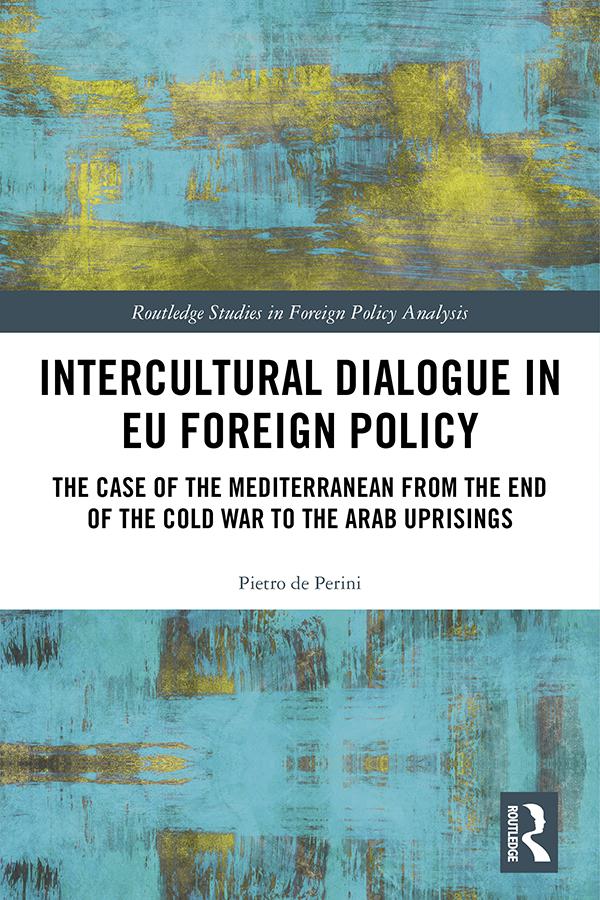
This book provides an original, rigorous and theoretically-grounded investigation into varying EU efforts to advance intercultural dialogue (ICD) in the framework of its foreign policy towards the Mediterranean during the period 1990-2014. From the end of the Cold War, the EU has increasingly invested in both rhetoric and resources on ICD promotion. In spite of this commitment, the EU has never offered a clear and permanent understanding of what this concept entails and has been actually aimed at. By adopting a FPA standpoint and approaching ICD as one of the foreign policy instruments developed by the EU to address the relations with its Mediterranean partners, this book exposes the causes and the modalities of the contradictory development of this relevant and long standing element of EU foreign policy.
De Perini investigates change and continuity in the promotion of this tool, and provides in-depth knowledge of what ICD has actually meant for the EU: from the development and launch of the Euro-Mediterranean Partnership or Barcelona Process, to the revision of the European Neighbourhood Policy following the Arab uprisings. The book shows that the EU’s advancement of ICD in its foreign policy has gone through three distinct phases: ‘emergence’ (1990-2001), ‘consolidation’ (2001-2010) and ‘professionalisation’ (2010-2014). Empirically the book provides the first comprehensive and integrative analysis of all aspects of EU efforts to promote ICD.
The book exposes a series of trends, limits and contradictions of EU foreign policy which are increasingly relevant today. In particular, it shows that over the last twenty-five years, the EU has addressed a set of persistent challenges characterising its relations with Mediterranean countries and people, namely challenges connected to regional conflicts, religious fundamentalisms, xenophobic attitudes towards Arab/Muslim migrants and related social tensions. As these challenges are still major issues in the current EU agenda and in the broader debate about EU foreign policy, this book provides rich and original empirical knowledge to an understanding of how the EU has decided to address these phenomena at different moments of its recent history.
Vor Memmo waren meine Notizen überall in PDFs verstreut. Jetzt sammelt ein Arbeitsbereich alles an einem Ort – ich sehe genau, was noch zu lernen ist.
Memmos Zusammenfassungen sind Gold wert vor Prüfungen. Ich muss nicht zwei Wochen vorher 800 Seiten neu lesen – nur die wichtigsten Teile.
Der KI-Chat hat mich schon mehr als einmal am Abend vor einer Prüfung gerettet. Ich frage einfach so lange, bis ich es kapiere – ohne auf eine Antwort in einer Lerngruppe warten zu müssen.
Die Quizzes treffen genau das, was ich wissen muss. Memmo merkt sich, wo ich Schwierigkeiten habe – so übe ich nur das, was sich lohnt.
Lernkarten mit Spaced Repetition sind Magie. Memmo weiß, wann ich etwas vergessen könnte und zeigt es mir wieder.
Die KI-Podcasts sind mein Favorit. Ich höre sie auf dem Weg zur Uni und bekomme eine Wiederholung, ohne am Computer sitzen zu müssen.

Handbok i kvalitativa metoder
281 kr

Hållbar utveckling: en introduktion för ingenjörer och andra problemlösare
334 kr

Brymans Samhällsvetenskapliga metoder
390 kr

Projektledning
491 kr

Den orättvisa hälsan: om socioekonomiska skillnader i hälsa och livslängd
326 kr

Organizational Leadership
429 kr

Vetenskapsteori för nybörjare
196 kr

På väg mot läraryrket
172 kr

Det sociala livet i skolan: Socialpsykologiska perspektiv
253 kr

Betygsättningens didaktik
151 kr

Personality
402 kr

Studying Leadership
404 kr

Managing Innovation
477 kr

Introduktion till samhällsvetenskaplig metod
347 kr

The Psychology of Sex and Gender
698 kr

Evidens och kunskap för socialt arbete
207 kr

Introduction to Leadership
605 kr