
Vor Memmo waren meine Notizen überall in PDFs verstreut. Jetzt sammelt ein Arbeitsbereich alles an einem Ort – ich sehe genau, was noch zu lernen ist.
Social and political psychologists have attempted to reveal the reasons why individuals and societies that acknowledge that peace would improve their personal and collective well-being, and are aware of the required actions needed to promote it, are simply incapable of making this step forward. Some social psychologists have advocated the idea that certain societal beliefs and collective memories about the nature of the opponent, the in-group, the history, and the current state of the conflict distort the perceptions of society members and prevent them from identifying opportunities for peace. But these cognitive barriers capture only part of the picture.
Could identifying the role of discrete emotions in conflicts and conflict resolution potentially provide a wide platform for developing pinpoint conflict resolution interventions?
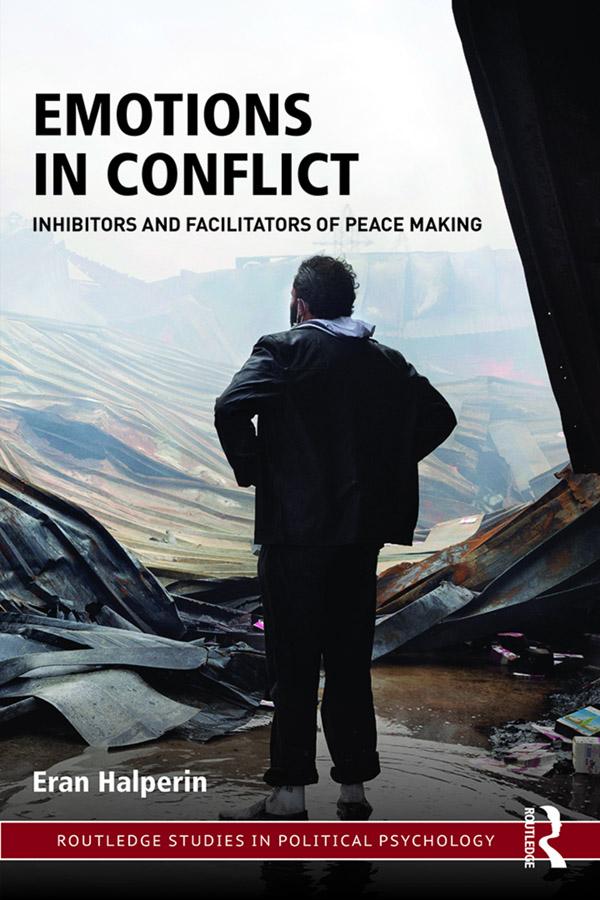
Using a vast array of primary sources, critical literature analysis, and firsthand personal experiences in various conflict zones (Middle East, Cyprus, Bosnia, and Northern Ireland), Eran Halperin introduces a new perspective on psychological barriers to peace. Halperin focuses on various emotional mechanisms that hamper peace processes, even when parties face real opportunities for conflict resolution. More specifically, he explores how hatred, anger, fear, angst, hope, despair, empathy, guilt, and shame, combined with various emotion regulation strategies, provide emotions-based explanations for people's attitudinal and behavioral reactions to peace-related events during the ongoing process of conflict resolution.
Written in a clear and accessible style, Emotions in Conflict offers a thought-provoking and pioneering insight into the role discrete intergroup emotions play in impeding, as well as facilitating, peace processes in intractable conflicts. This book is essential reading for those who study intractable conflicts and their resolutions, and those who are interested in the ‘real-world’ implication of recent theories and findings on emotion and emotion regulation.
Vor Memmo waren meine Notizen überall in PDFs verstreut. Jetzt sammelt ein Arbeitsbereich alles an einem Ort – ich sehe genau, was noch zu lernen ist.
Memmos Zusammenfassungen sind Gold wert vor Prüfungen. Ich muss nicht zwei Wochen vorher 800 Seiten neu lesen – nur die wichtigsten Teile.
Der KI-Chat hat mich schon mehr als einmal am Abend vor einer Prüfung gerettet. Ich frage einfach so lange, bis ich es kapiere – ohne auf eine Antwort in einer Lerngruppe warten zu müssen.
Die Quizzes treffen genau das, was ich wissen muss. Memmo merkt sich, wo ich Schwierigkeiten habe – so übe ich nur das, was sich lohnt.
Lernkarten mit Spaced Repetition sind Magie. Memmo weiß, wann ich etwas vergessen könnte und zeigt es mir wieder.
Die KI-Podcasts sind mein Favorit. Ich höre sie auf dem Weg zur Uni und bekomme eine Wiederholung, ohne am Computer sitzen zu müssen.

Handbok i kvalitativa metoder
281 kr

Hållbar utveckling: en introduktion för ingenjörer och andra problemlösare
334 kr

Brymans Samhällsvetenskapliga metoder
390 kr

Projektledning
491 kr

Den orättvisa hälsan: om socioekonomiska skillnader i hälsa och livslängd
326 kr

Organizational Leadership
429 kr

Vetenskapsteori för nybörjare
196 kr

På väg mot läraryrket
172 kr

Det sociala livet i skolan: Socialpsykologiska perspektiv
253 kr

Betygsättningens didaktik
151 kr

Personality
402 kr

Studying Leadership
404 kr

Managing Innovation
477 kr

Introduktion till samhällsvetenskaplig metod
347 kr

The Psychology of Sex and Gender
698 kr

Evidens och kunskap för socialt arbete
207 kr

Introduction to Leadership
605 kr