
Vor Memmo waren meine Notizen überall in PDFs verstreut. Jetzt sammelt ein Arbeitsbereich alles an einem Ort – ich sehe genau, was noch zu lernen ist.
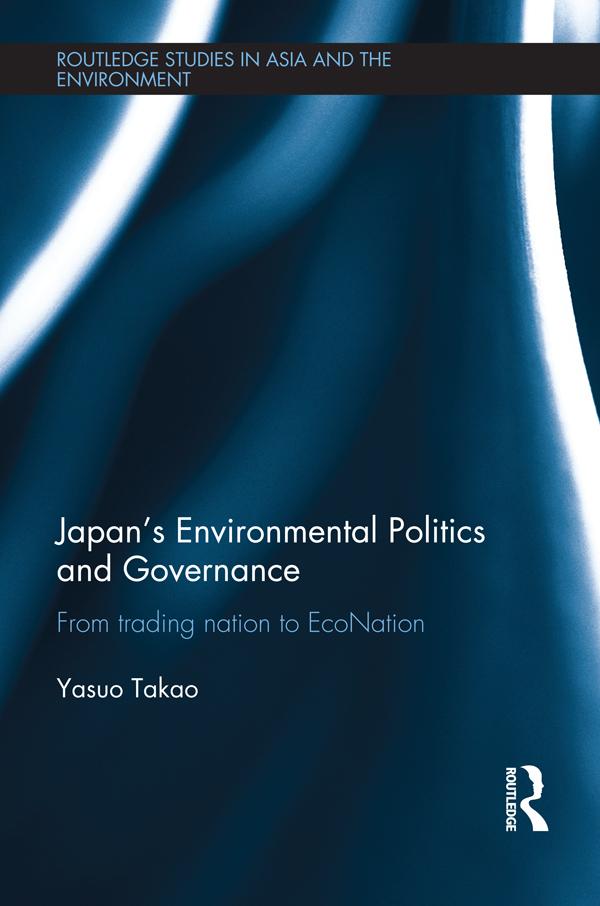
Environmental issues stretch across scales of geographic space and require action at multiple levels of jurisdiction, including the individual level, community level, national level, and global level. Much of the scholarly work surrounding new approaches to environmental governance tends to overlook the role of sub-national governments, but this study examines the potential of sub-national participation to make policy choices which are congruent with global strategies and national mandates.
This book investigates the emerging actors and new channels of Japan’s environmental governance which has been taking shape within an increasingly globalized international system. By analysing this important new phenomenon, it sheds light on the changing nature of Japan’s environmental policy and politics, and shows how the links between global strategies, national mandates and local action serve as an influential factor in Japan’s changing structures of environmental governance. Further, it demonstrates that decision-making competencies are shared between actors operating at different levels and in new spheres of authority, resulting from collaboration between state and non-state actors. It highlights a number of the problems, challenges, and critiques of the actors in environmental governance, as well as raising new empirical and theoretical puzzles for the future study of governance over environmental and global issues. Finally, it concludes that changes in the tiers and new spheres of authority are leading the nation towards an environmentally stable future positioned within socio-economic and political constraints.
Demonstrating that bridging policy gaps between local action, national policy and global strategies is potentially a way of reinventing environmental policy, this book will be of interest to students and scholars of Environmental Studies, Environmental Politics and Japanese Politics.
Vor Memmo waren meine Notizen überall in PDFs verstreut. Jetzt sammelt ein Arbeitsbereich alles an einem Ort – ich sehe genau, was noch zu lernen ist.
Memmos Zusammenfassungen sind Gold wert vor Prüfungen. Ich muss nicht zwei Wochen vorher 800 Seiten neu lesen – nur die wichtigsten Teile.
Der KI-Chat hat mich schon mehr als einmal am Abend vor einer Prüfung gerettet. Ich frage einfach so lange, bis ich es kapiere – ohne auf eine Antwort in einer Lerngruppe warten zu müssen.
Die Quizzes treffen genau das, was ich wissen muss. Memmo merkt sich, wo ich Schwierigkeiten habe – so übe ich nur das, was sich lohnt.
Lernkarten mit Spaced Repetition sind Magie. Memmo weiß, wann ich etwas vergessen könnte und zeigt es mir wieder.
Die KI-Podcasts sind mein Favorit. Ich höre sie auf dem Weg zur Uni und bekomme eine Wiederholung, ohne am Computer sitzen zu müssen.

Handbok i kvalitativa metoder
281 kr

Hållbar utveckling: en introduktion för ingenjörer och andra problemlösare
334 kr

Brymans Samhällsvetenskapliga metoder
390 kr

Projektledning
491 kr

Den orättvisa hälsan: om socioekonomiska skillnader i hälsa och livslängd
326 kr

Organizational Leadership
429 kr

Vetenskapsteori för nybörjare
196 kr

På väg mot läraryrket
172 kr

Det sociala livet i skolan: Socialpsykologiska perspektiv
253 kr

Betygsättningens didaktik
151 kr

Personality
402 kr

Studying Leadership
404 kr

Managing Innovation
477 kr

Introduktion till samhällsvetenskaplig metod
347 kr

The Psychology of Sex and Gender
698 kr

Introduction to Leadership
605 kr

Evidens och kunskap för socialt arbete
207 kr